
Document authentication through apostille certification is a crucial process for international legal matters. However, many people encounter frustrating delays and rejections due to preventable mistakes. Understanding these common errors can save you time, money, and significant headaches when seeking apostille services.
1. Submitting Unauthorized Document Copies
One of the most frequent mistakes is attempting to apostille photocopies instead of original documents or certified copies. Only certain documents qualify for apostille certification:
- Original documents issued by competent authorities
- Certified copies from the issuing authority
- Notarized copies (where permitted by the destination country)
Always verify whether your destination country accepts notarized copies before proceeding with the apostille process. Some nations strictly require original documents or certified copies from the issuing authority.
2. Neglecting Document Age Requirements
Many people overlook that some countries have specific requirements regarding document age. For instance, some nations may require that documents be issued within a certain timeframe, typically within the last three to six months. This is particularly common with:
- Criminal background checks
- Birth certificates
- Marriage certificates
- Medical records
Always check the specific requirements of your destination country regarding document age restrictions before initiating the apostille process.
3. Incorrect Document Authentication Sequence
The authentication sequence is critical for successful apostille certification. Many documents require multiple steps before they can receive an apostille:
- Document creation or issuance
- Notarization (if required)
- State-level certification (for some documents)
- Apostille certification
Skipping or mixing up these steps can result in rejection and unnecessary delays. Always confirm the correct sequence for your specific document type and jurisdiction.
4. Failing to Verify Country Participation
Not all countries are members of the Hague Apostille Convention. A common mistake is assuming that an apostille will be accepted in any foreign country. Before starting the process, verify that:
- Your destination country is a member of the Hague Convention
- The specific document type is covered under the Convention
- There are no special bilateral agreements between countries that may affect the process
5. Improper Document Translation
When documents require translation, several critical errors can occur:
- Using non-certified translators
- Translating documents after apostille certification
- Not getting the translation notarized when required
Important note: Documents should typically be translated before the apostille process, and translations often need their own certification.
6. Missing Supporting Documentation
Many apostille applications are delayed because applicants fail to provide necessary supporting documents:
- Government-issued identification
- Application forms
- Proof of authority (for business documents)
- Payment documentation
Create a comprehensive checklist of required supporting documents before submitting your application.
7. Incorrect Notarization Practices
Notarization errors can invalidate the entire apostille process. Common notarization mistakes include:
- Expired notary commissions
- Missing notary seals or stamps
- Incorrect notary certificates
- Improper witness signatures
Always use a current, properly commissioned notary and ensure all notarial acts are complete and accurate.
8. Submitting to the Wrong Authority
Different documents require different apostille authorities. For example:
- Federal documents typically go through the U.S. Department of State
- State-issued documents usually require state secretary certification
- Educational documents may need verification from specific educational authorities
Research the correct certifying authority for your specific document type to avoid unnecessary routing delays.
9. Poor Document Condition
Physical document condition can lead to rejection. Avoid these common issues:
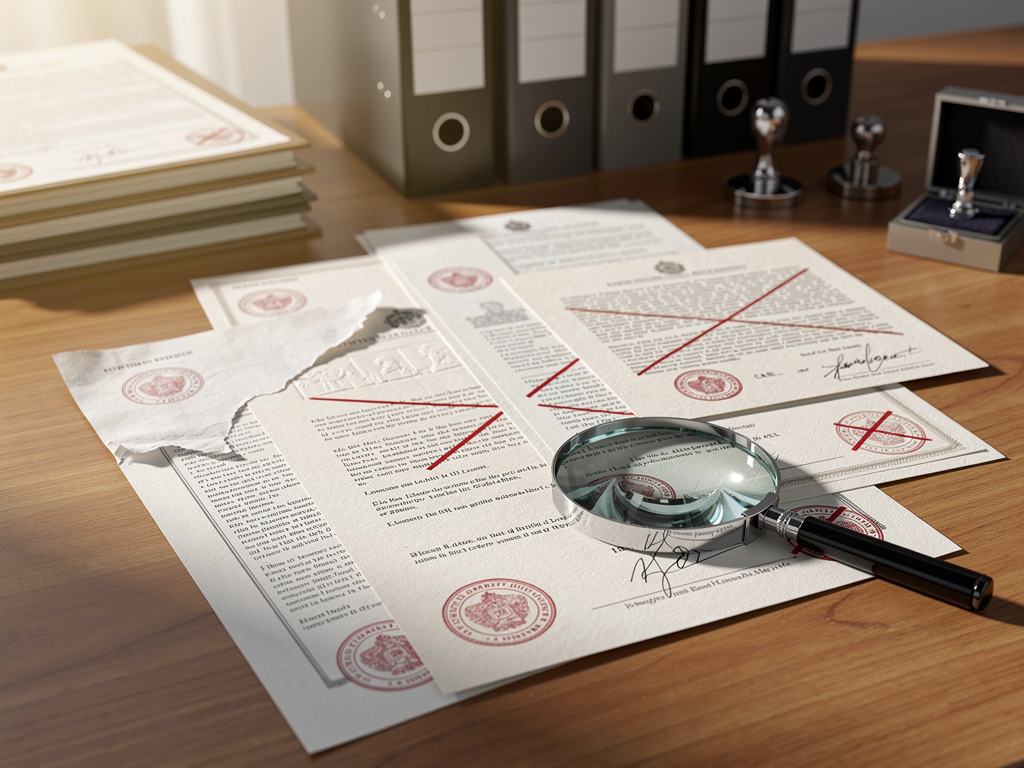
- Damaged or torn documents
- Illegible text or signatures
- Stained or marked documents
- Documents with corrections or alterations
Ensure all documents are in pristine condition before submission. If necessary, obtain new copies of damaged documents.
10. Rushing the Process
Many mistakes occur when people try to expedite the process without proper planning. To avoid time-pressure errors:
- Start the process well in advance of deadlines
- Allow extra time for potential corrections
- Consider processing times for all required steps
- Account for shipping and delivery timeframes
Best Practices for Success
To ensure a smooth apostille process:
- Research requirements thoroughly before beginning
- Create a detailed checklist of needed documents and steps
- Maintain clear communication with all involved parties
- Keep copies of all submitted documents and correspondence
- Consider working with an experienced apostille service provider
Final Considerations
Remember that apostille requirements can change, and different countries may have varying interpretations of the Hague Convention requirements. Regular verification of current requirements and careful attention to detail are essential for successful document authentication. When in doubt, consult with appropriate authorities or professional apostille services to ensure compliance with all requirements.