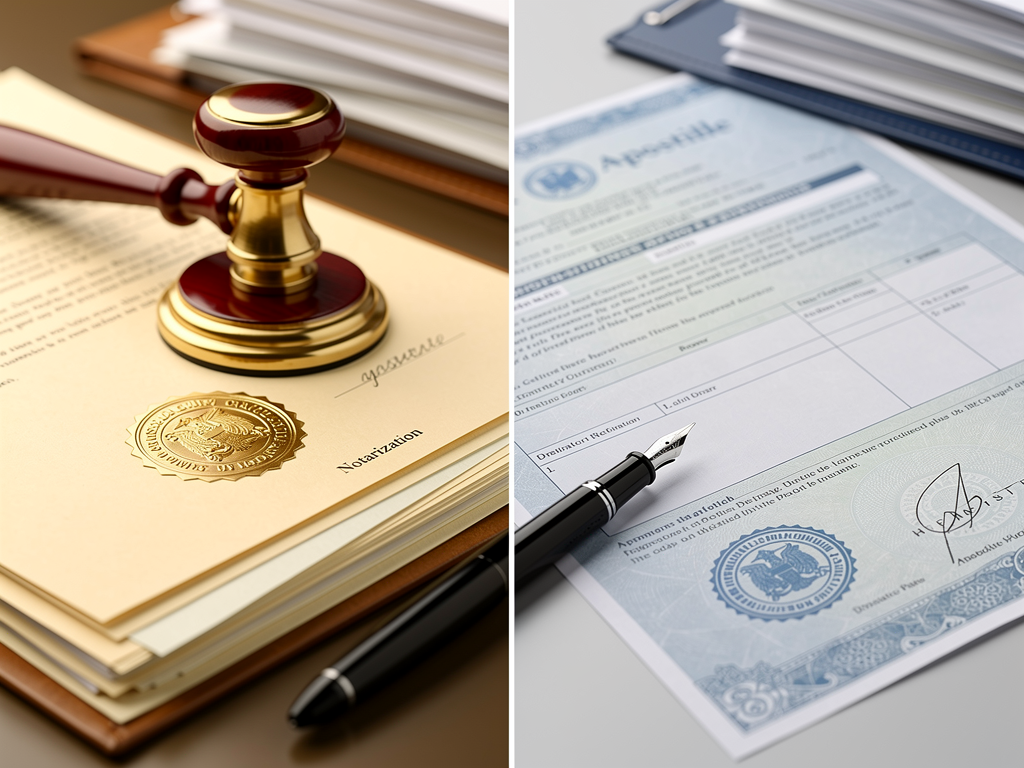
How to Apostille a Document for Mexico: A Complete Guide

apostille a document for Mexico

If you need to apostille a document for Mexico, the process can feel confusing at first. Between federal offices, state offices, notaries, and certified translators, it is easy to get lost in the paperwork. The good news is that once you understand the steps involved, the process becomes straightforward and predictable. This guide breaks down exactly how to apostille a document for Mexico, based on the official requirements followed by Mexican consular authorities and the Hague Apostille Convention.

Whether you are dealing with a birth certificate, a marriage certificate, a diploma, a power of attorney, or a corporate document, the underlying process to apostille a document for Mexico is largely the same. This article walks you through every stage, explains why each step matters, and highlights common mistakes people make so you can avoid delays.

Why You Need to Apostille a Document for Mexico

Mexico became a member of the Hague Convention of October 5, 1961, which abolished the requirement of legalisation for foreign public documents, on August 14, 1995. Because of this membership, Mexican public documents, along with documents from other member countries, no longer require full consular legalisation. Instead, they only need a simplified certification known as an apostille.

This means that if your home country is also a member of the Hague Convention, you do not need to go through the lengthy embassy legalisation process. Instead, you simply need to apostille a document for Mexico through the competent authority in the country where the document was issued. If your country is not a member of the convention, traditional legalisation is still required, which involves additional steps through consulates and embassies.

Understanding whether your country is a member state is the very first thing you should confirm before you attempt to apostille a document for Mexico. This single detail determines the entire path your document will follow.

apostille a document for Mexico

Step One: Confirm Whether Your Document Is Public or Private

Before you can apostille a document for Mexico, you need to determine what type of document you are working with. Public documents include items such as birth certificates, marriage certificates, death certificates, court orders, and documents issued directly by government offices. These documents are usually ready to be apostilled without any additional preparation.

Private documents are different. These include academic transcripts, diplomas, medical certificates, company records, and translations. Before you can apostille a document for Mexico when it falls into this private category, it must first be authenticated by a solicitor or a notary public. This authentication step confirms that the signature on the document is genuine and that the document itself is legitimate.

Skipping this step is one of the most common reasons applications are rejected. If you attempt to apostille a document for Mexico without first having a private document notarized, the apostille authority will simply send it back, costing you time and money.

Step Two: Identify the Correct Issuing Authority

The next step to apostille a document for Mexico is figuring out exactly which office is responsible for certifying your specific document. This depends heavily on where the document originated.

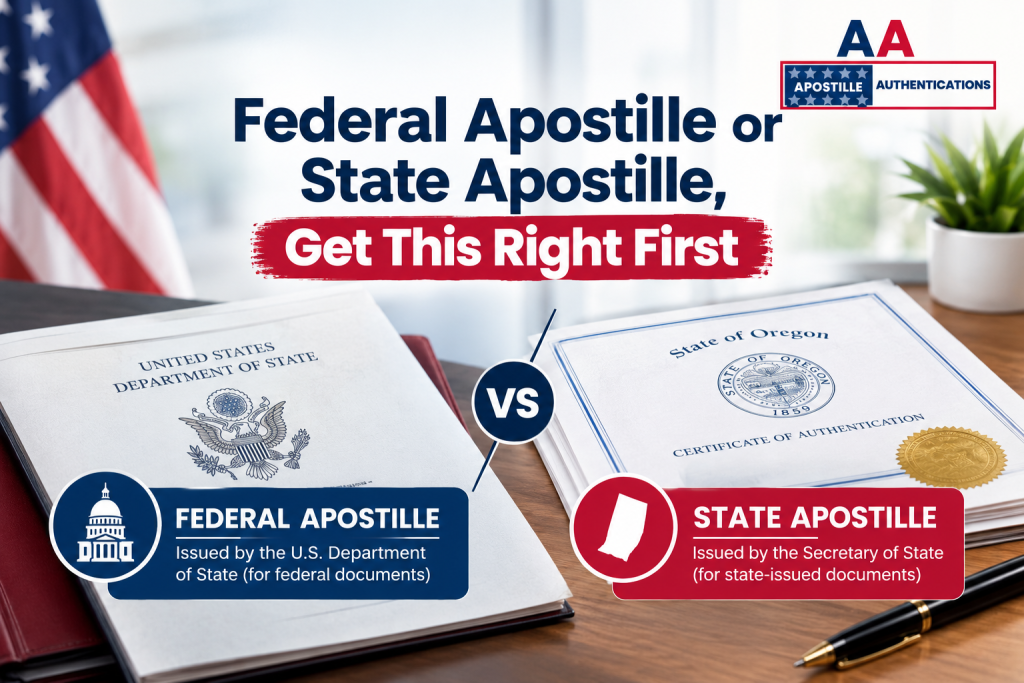
For documents issued in the United Kingdom, for example, all British public documents must be apostilled by the Foreign and Commonwealth Office. Private documents, once notarized by a solicitor or notary public, are also sent to this same office for certification.

For documents issued in Mexico itself, the process branches depending on whether the document is federal or state level. Federal Mexican public documents are handled by the Coordinación General Política con Poderes de la Unión de la Secretaría de Gobernación. This office manages the certification of documents that originate from federal agencies and institutions.

State level Mexican documents follow a different path entirely. Documents issued by Mexico City authorities go through the Dirección General Jurídica y de Estudios Legislativos del Departamento del Distrito Federal. Documents issued by individual state governments are processed through the Secretaría or Dirección General de Gobierno of that particular state.

If you are trying to apostille a document for Mexico and you are unsure which office applies to your situation, it is recommended that you check with the Secretaría de Gobernación directly, or consult the official list of competent authorities published under the Hague Convention. Getting this detail right the first time will save you significant back and forth.

Step Three: Prepare Your Document Correctly

Once you know which authority will handle your certification, the next step to apostille a document for Mexico is making sure your paperwork is properly prepared. This includes ensuring the document is an original or a certified copy, that all signatures are clear and legible, and that any required notarization has already taken place.

At this stage, many applicants also choose to obtain certified translations if the destination in Mexico requires the document to be presented in Spanish. While the apostille itself certifies the authenticity of the signature, seal, or stamp on the document, it does not translate the content. If your document will be used with an institution that requires Spanish, you should arrange for a certified translation either before or after the apostille process, depending on local requirements.

Taking the time to prepare your document properly before you apostille a document for Mexico prevents unnecessary rejections and keeps the entire process moving smoothly.

Step Four: Submit the Document to the Competent Authority

With your document prepared, you are ready to formally submit it. To apostille a document for Mexico, you will need to send the original document, along with any required application forms and fees, to the relevant office identified in step two.

Some offices, such as the Foreign and Commonwealth Office in the United Kingdom, have moved away from accepting walk in applications. Since April 2011, that office has closed its public counters and only accepts applications submitted by post. This shift toward postal submission is common across many apostille authorities worldwide, so it is worth checking current submission methods before sending anything.

When you submit your documents, include a cover letter clearly stating your name, contact details, the purpose of the apostille, and a note confirming that the document is intended for use in Mexico. This small detail can help avoid confusion during processing.

Step Five: Receive Your Apostilled Document

After your application has been processed, the competent authority will attach or affix the apostille certificate directly onto your document, or onto an attached page. This certificate confirms the authenticity of the signature, seal, or stamp on the original document. Once this certificate is in place, your document is officially ready for use in Mexico without any further legalisation required.

At this point, you have successfully completed the process to apostille a document for Mexico. The certified document can now be submitted to Mexican institutions, courts, universities, immigration offices, or government agencies as needed.

apostille a document for Mexico

What Documents Commonly Need an Apostille for Mexico

People reach out for help to apostille a document for Mexico for many different reasons. Some of the most common documents include:

Birth certificates, which are often required for residency applications, school enrollment, or family reunification cases.

Marriage certificates, needed for legal recognition of marriage, spousal visas, or property matters.

Academic diplomas and transcripts, required when applying to Mexican universities or seeking professional licensing.

Powers of attorney, used for legal representation in property transactions or business dealings.

Corporate documents, including articles of incorporation, which are often needed when establishing a business presence in Mexico.

Court orders and judgments, which may need to be recognized by Mexican courts in custody, inheritance, or civil matters.

No matter which of these documents you are working with, the underlying process to apostille a document for Mexico follows the same general pattern described in this guide.

Common Mistakes That Delay the Process

Many people run into avoidable delays when trying to apostille a document for Mexico. Understanding these common pitfalls can save you weeks of frustration.

The first mistake is attempting to apostille a private document without first having it notarized. As mentioned earlier, private documents such as diplomas and medical records must go through a solicitor or notary public before they can be certified.

The second mistake is sending documents to the wrong authority. Since Mexico has separate federal and state level offices, sending a state issued document to a federal office, or vice versa, will result in rejection and lost time.

A third common mistake is forgetting that the cited Hague Convention does not apply to certain categories of documents. Specifically, it does not apply to documents executed by diplomatic or consular agents, nor does it apply to administrative documents dealing directly with commercial or customs operations. If your document falls into either of these categories, a different process entirely may be required.

Finally, many applicants forget about translation requirements. Even after you successfully apostille a document for Mexico, the receiving institution may still require a certified Spanish translation before it will accept the document.

How Long Does It Take to Apostille a Document for Mexico

Processing times vary significantly depending on which authority is handling your request and how busy that office currently is. Federal offices in Mexico may process documents within a few business days for straightforward cases, while offices dealing with higher volumes, such as the Foreign and Commonwealth Office in the United Kingdom, may take several weeks, especially since applications must now be submitted by post rather than in person.

If you need to apostille a document for Mexico urgently, it is worth checking whether expedited or priority processing is available through the relevant office. Many services, including professional apostille providers, can also help speed up the process by handling submission, tracking, and follow up on your behalf.

Should You Handle This Yourself or Use a Professional Service

Some people successfully apostille a document for Mexico entirely on their own, especially when dealing with a single, straightforward public document. However, the process becomes considerably more complicated when you are dealing with private documents that require notarization, documents originating from multiple jurisdictions, or time sensitive matters such as visa applications or property closings.

Working with a professional apostille service can remove much of the guesswork. An experienced provider will already know exactly which office handles your type of document, what forms are required, and how to avoid the common mistakes outlined above. This is especially valuable if you are trying to apostille a document for Mexico while living outside the country where the document was issued, since navigating unfamiliar postal systems and government offices from abroad adds another layer of difficulty.

Final Thoughts on the Apostille Process

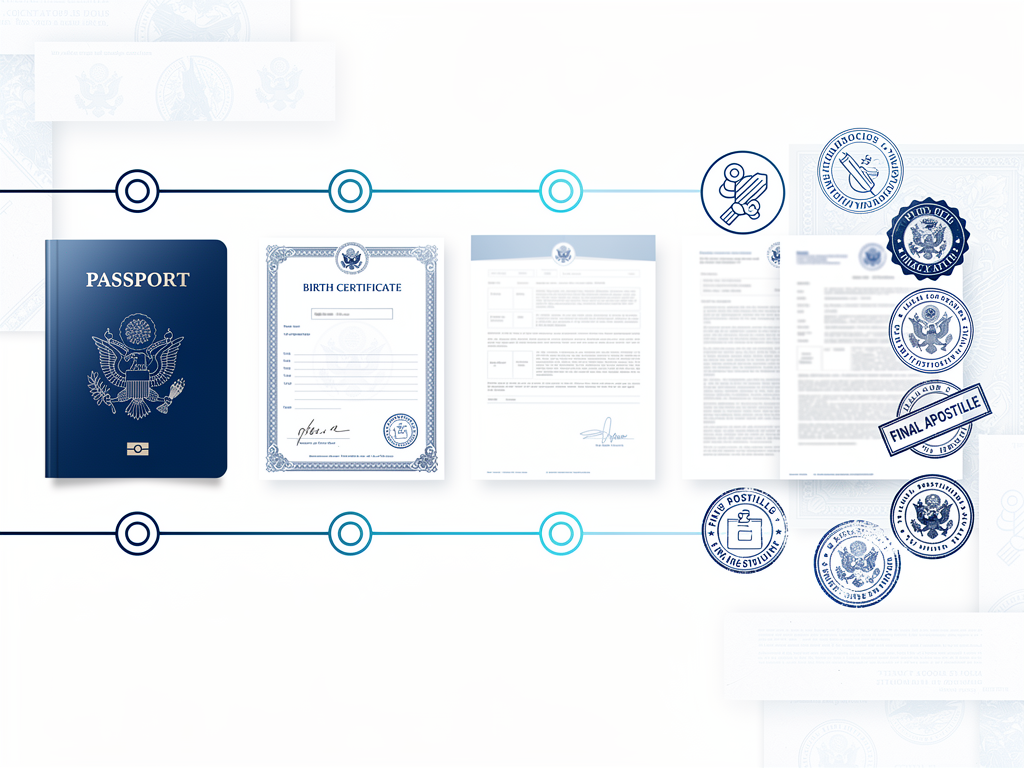
Learning how to apostille a document for Mexico does not need to be overwhelming once you understand the underlying structure. The process comes down to five core steps: confirming whether your document is public or private, identifying the correct issuing authority, preparing your document properly, submitting it to the competent office, and receiving your finished apostille certificate.

Because Mexico is a member of the Hague Apostille Convention, the process is significantly simpler than full legalisation, provided your country of origin is also a member state. Taking the time to verify jurisdiction, complete any required notarization, and arrange translations where necessary will help ensure your document is accepted the first time you submit it.

If you are preparing to apostille a document for Mexico and want expert guidance through every step of the process, working with a dedicated apostille service can help you avoid delays and submit your paperwork with confidence.

Apostille Countries: The 2026 Essential Complete List

Apostille countries

If you are preparing documents for international use, knowing which apostille countries belong to the Hague Convention is one of the most important things you can do.

Without this knowledge, your paperwork could get rejected, delayed, or sent through a much longer legalization process.

This guide gives you a current, reliable breakdown of all apostille countries as of 2026, including recent additions, notable exceptions, and what to do if your destination is not on the list.


What Is an Apostille and Why Does It Matter?

An apostille is an official government certification that authenticates a public document for use in another country.

It was created under the 1961 Hague Convention, formally known as the Convention Abolishing the Requirement of Legalisation for Foreign Public Documents.

When a document carries an apostille, any of the other member apostille countries must recognize it as legally valid without additional embassy certification.

This saves enormous time and cost for individuals, businesses, and legal professionals.

The apostille does not verify the content of a document. It only confirms that the signature, seal, or stamp on the document is genuine.


How Many Apostille Countries Exist in 2026?

As of April 2026, there are 129 contracting parties to the Hague Apostille Convention.

This number has grown significantly over the past few years, making it easier than ever to use authenticated documents across borders.

Notable recent additions include China, which joined effective November 7, 2023, Canada, which joined effective January 11, 2024, Rwanda, which joined effective June 5, 2024, and Bangladesh, which joined effective March 30, 2025.

Viet Nam deposited its instrument of accession on December 31, 2025, and will officially become a full member with effect from September 11, 2026.

These additions reflect a growing global shift toward streamlined document authentication, which benefits millions of people working, studying, and traveling internationally.


The Complete List of Apostille Countries in 2026

Below is a full regional breakdown of all nations currently recognized under the Hague Convention as of 2026.

Europe

Europe is home to the largest concentration of members in the world. Every EU member state belongs to the Convention, along with most non-EU nations.

Albania, Andorra, Austria, Belarus, Belgium, Bosnia and Herzegovina, Bulgaria, Croatia, Cyprus, Czech Republic, Denmark, Estonia, Finland, France, Georgia, Germany, Greece, Hungary, Iceland, Ireland, Italy, Kosovo, Latvia, Liechtenstein, Lithuania, Luxembourg, Malta, Moldova, Monaco, Montenegro, Netherlands, North Macedonia, Norway, Poland, Portugal, Romania, Russia, San Marino, Serbia, Slovakia, Slovenia, Spain, Sweden, Switzerland, Ukraine, and the United Kingdom are all active members.

This wide coverage means that a document apostilled in one European nation is recognized across all others without any additional steps.


The Americas

North America, Central America, South America, and the Caribbean are all well represented among recognized apostille countries.

In North America, the United States, Canada, and Mexico are all members. Canada only joined in January 2024, which surprised many professionals who assumed it had long been part of the network.

In Central America, Belize, Costa Rica, El Salvador, Guatemala, Honduras, Nicaragua, and Panama are all members.

In South America, Argentina, Bolivia, Brazil, Chile, Colombia, Ecuador, Guyana, Paraguay, Peru, Suriname, Uruguay, and Venezuela all belong to the Convention.

The Caribbean nations of Antigua and Barbuda, Barbados, Dominica, Dominican Republic, Grenada, Saint Kitts and Nevis, Saint Lucia, Saint Vincent and the Grenadines, Trinidad and Tobago, and the Bahamas round out this region.


Asia and the Pacific

Asia has seen remarkable growth in membership over recent years.

In East and Southeast Asia, China (including Hong Kong and Macau through territorial extension), Japan, South Korea, Mongolia, Brunei Darussalam, and the Philippines are all active members.

In South Asia, India, Pakistan, and Bangladesh are all part of the network. Bangladesh joined in March 2025, making it one of the newest members.

In Central Asia, Armenia, Azerbaijan, Kazakhstan, Kyrgyzstan, Tajikistan, Turkmenistan, and Uzbekistan are all recognized members.

In the Pacific, Australia, Cook Islands, Fiji, Marshall Islands, New Zealand, Niue, Palau, Samoa, Tonga, and Vanuatu are all parties to the Convention.


Africa

Africa has a smaller but steadily growing presence on the list.

Botswana, Burundi, Cape Verde, Eswatini, Lesotho, Liberia, Malawi, Mauritius, Namibia, Rwanda, Sao Tome and Principe, Seychelles, South Africa, and Zimbabwe are all current members.

Rwanda joined in June 2024, reflecting continued expansion across the African continent.


The Middle East and North Africa

Participation is more limited in this region, but several key nations are members.

Bahrain, Israel, Jordan, Morocco, and Oman are all part of the Convention.

It is important to note that several of the region’s most frequently visited destinations, including the UAE and Saudi Arabia, are not part of the recognized apostille countries network. Documents intended for those destinations still require embassy attestation.


Apostille countries

Which Nations Are NOT on the List?

Knowing which nations fall outside the framework is just as important as knowing which ones are inside it.

Major non-members as of 2026 include the UAE, Saudi Arabia, Indonesia, Egypt, and several others across Africa and Southeast Asia.

For these destinations, a standard apostille is not sufficient. Documents must go through consular legalization or embassy attestation instead.

This process typically involves authentication at the state or federal level, followed by verification through the U.S. Department of State, and then submission to the destination country’s embassy or consulate.

The process is longer, more expensive, and requires careful attention to requirements that vary by country.


What Documents Can Be Apostilled?

Once you confirm that your destination is among the recognized apostille countries, the next question is which documents qualify.

Apostilles can be placed on public documents, which cover a wide range of official papers.

Common documents sent abroad include birth certificates, marriage certificates, divorce decrees, death certificates, educational diplomas and transcripts, notarized affidavits, corporate documents, powers of attorney, court records, and background checks.

Documents that are purely private, such as personal letters or contracts between individuals, generally cannot receive an apostille unless they have first been notarized by a public official.

Once notarized, the notary’s signature itself becomes a public document eligible for authentication.


How to Use This Apostille Countries List for Your Documents

Start by identifying the country where your document was issued and the country where it will be used.

If both countries are among the recognized apostille countries, you are eligible for the simplified apostille route.

Contact the competent authority in the issuing country to begin the apostille process. In the United States, that is typically your state’s Secretary of State office.

If the destination is not among the apostille countries, contact the relevant embassy or a professional document service to determine what legalization steps are required.

When in doubt, working with a professional apostille service ensures your documents are processed correctly, quickly, and without costly errors.


Why Working With a Professional Apostille Service Matters

Navigating the requirements of 129 apostille countries on your own can be overwhelming.

Requirements change. New apostille countries join the Convention. Processing times shift. Document standards vary by state and country.

A trusted apostille service stays current on all these changes and handles every step on your behalf.

Whether you need documents apostilled for business registration in Europe, academic enrollment in Latin America, residency applications in Asia, or legal proceedings across any of the apostille countries, professional guidance makes the entire process faster and more reliable.

At Apostille Authentications, we specialize in processing documents for all apostille countries quickly and accurately.

Our team handles every type of document, every state, and every destination country in the Convention.


Final Thoughts on Apostille Countries in 2026

The network of apostille countries continues to grow every year, making international document authentication more accessible than ever before.

With 129 members as of 2026, the chances are high that your destination country is among the recognized apostille countries.

But confirmation is always worth it before you begin.

Verify your destination against the official HCCH status table, prepare the correct documents, and work with a professional service to make sure everything is handled properly.

If you need help apostilling documents for any of the apostille countries, contact Apostille Authentications today for fast, expert service you can trust.

Apostille Authentication Service: 3 Key Differences You Must Know Today

apostille authentication service

If you have ever needed to use a document in a foreign country, you have probably heard terms like apostille, authentication, and notarization thrown around.

These three processes sound similar. They are not.

Mixing them up can delay your visa, stall your business deal, or even get your documents rejected at a foreign embassy.

This guide breaks down exactly what each process means, when you need it, and how a trusted apostille authentication service can make the entire experience far less stressful.


What Is Notarization?

Notarization is the most basic level of document verification available in the United States.

A notary public is a state-appointed official who verifies the identity of the person signing a document. The notary then stamps and signs the document to confirm that the signature is genuine.

This is where the process starts, but it does not go very far on its own.

Notarization confirms who signed a document. It does not verify the content of the document, and it carries no legal weight outside the country.

Common documents that require notarization include affidavits, powers of attorney, real estate deeds, and financial agreements.

If you are using a document only within the United States, notarization may be all you need.

But the moment that document needs to cross a border, notarization alone is rarely enough.


What Is Authentication?

Authentication is a multi-step process that goes beyond notarization.

After a document is notarized, it must be certified at several levels of government before it can be accepted in certain countries.

The typical authentication chain in the United States looks like this:

First, the document is notarized by a state-commissioned notary public. Then, the notary’s signature is certified by the county clerk or the state’s Secretary of State. After that, the U.S. Department of State authenticates the document at the federal level. Finally, the embassy or consulate of the destination country places its own seal on the document.

This final step, known as legalization or consular authentication, is what makes the document legally usable in that specific foreign country.

Authentication is required for countries that are not members of the Hague Apostille Convention of 1961.

If you are sending documents to countries in parts of Asia, the Middle East, or Africa, you will likely need full authentication rather than an apostille.

This is a longer, more complex process, which is exactly why many individuals and businesses turn to a professional apostille authentication service to handle it on their behalf.


What Is an Apostille?

An apostille is a specialized certificate issued by a government authority that verifies the authenticity of a public document for use in another country.

The apostille was introduced under the Hague Convention of October 5, 1961, and it applies only between the countries that are members of this convention.

Currently, more than 120 countries are members of the Hague Apostille Convention.

When a country is a member, the apostille acts as a streamlined form of authentication. It eliminates the need for the lengthy multi-step embassy legalization process.

Instead, one single apostille certificate is attached to your document, and it is recognized directly by the destination country.

The apostille itself includes the name of the country issuing it, the name of the person who signed the document, the title of the person who stamped or sealed the document, the name of the city where the document was issued, the date of issue, and a unique identifying number.

In the United States, apostilles are issued by the Secretary of State in each state, or by the U.S. Department of State for federal documents.

An apostille authentication service handles all the submission, tracking, and delivery so you receive a certified document without unnecessary delays.


The Core Differences at a Glance

Understanding the differences between these three processes is critical before submitting any international documents.

Notarization is a domestic verification of a signature. It is performed by a notary public. It carries legal weight only within the United States and has no international recognition on its own.

Authentication is a chain of certifications required for documents going to countries outside the Hague Apostille Convention. It involves multiple government agencies and embassies. It is the most time-consuming option.

Apostille is a single-certificate verification required for documents going to countries that are members of the Hague Apostille Convention. It is faster than full authentication and is widely accepted across more than 120 countries.

A reliable apostille authentication service will first determine which process your specific document requires before proceeding with any filings.


apostille authentication service

When Do You Need an Apostille?

You need an apostille when you are sending documents to a country that is part of the Hague Convention and that country requires official verification of your document.

Common situations where people seek an apostille authentication service include:

Studying abroad. Universities in countries like Spain, Italy, Germany, and Brazil require apostilled academic transcripts, diplomas, and background checks before accepting international students.

Getting married overseas. Many countries require apostilled birth certificates, proof of single status, and other civil documents before they will permit a foreign national to marry on their soil.

Starting a business internationally. Companies expanding into Hague Convention member countries need apostilled articles of incorporation, powers of attorney, and financial documents.

Adopting a child from another country. International adoptions require extensive apostilled documentation to satisfy both the home country and the destination country.

Working abroad. Employment visas often require apostilled background checks, degrees, and professional certifications.

Retiring overseas. Retirees applying for long-term residency visas in places like Portugal, Mexico, or Panama are frequently asked to provide apostilled pension letters, bank statements, and birth certificates.

In every one of these situations, an apostille authentication service reduces the burden by navigating the paperwork requirements on your behalf.


When Do You Need Full Authentication Instead?

If the country where you plan to use your document is not a member of the Hague Apostille Convention, you will need to go through the full authentication process instead.

Countries like China, Kuwait, the United Arab Emirates, Vietnam, and several others have not joined the Hague Convention.

For these destinations, your documents must pass through the complete chain: notary, state certification, federal certification, and then consular legalization at the embassy or consulate of the destination country.

This process can take weeks, sometimes longer, depending on the embassy’s workload and the type of document involved.

A professional apostille authentication service that also handles consular legalization can coordinate all of these steps simultaneously and keep the timeline as short as possible.

Knowing whether your destination country is in the Hague Convention is the very first step, and it determines everything else that follows.


What Types of Documents Can Be Apostilled?

Not every document qualifies for an apostille. Only public documents are eligible.

Public documents include birth certificates, death certificates, marriage certificates, divorce decrees, court judgments, educational diplomas and transcripts, notarized private documents, government-issued background checks, and corporate documents issued or notarized by government officials.

Private documents, like personal letters, resumes, or privately drafted contracts, must first be notarized by a notary public before they can be submitted for an apostille.

A knowledgeable apostille authentication service will advise you on whether your document qualifies as a public document, whether it needs notarization first, and which government office has authority to issue the apostille for your specific document type.


How Long Does the Process Take?

Processing times vary widely depending on the type of document, the issuing state, and whether you are requesting an apostille or full authentication.

State-level apostilles typically take anywhere from a few days to several weeks, depending on the Secretary of State’s current workload. Some states offer expedited processing for an additional fee.

Federal apostilles for documents issued by U.S. federal agencies are processed by the U.S. Department of State’s Office of Authentications, and standard processing can take two to three weeks.

Full authentication for non-Hague countries takes longer still, often four to eight weeks, depending on the embassy involved.

When you use an apostille authentication service, expedited options are usually available. The service has established relationships with government offices and knows how to prioritize your submission to reduce turnaround time.


Common Mistakes to Avoid

There are several costly mistakes that people make when attempting to handle apostille or authentication on their own.

Submitting the wrong document type. Some countries require an original certified copy, not a photocopy. Others accept notarized copies. Submitting the wrong format will result in rejection and delays.

Missing the signature chain. Authentication requires every signature along the chain to be certified in the correct order. Skipping a step, even accidentally, invalidates the entire document.

Failing to check the destination country’s requirements. Requirements differ not just by country but sometimes by the specific purpose of the document. A marriage certificate submitted for a visa application may have different requirements than the same certificate submitted for a residency permit.

Using an expired document. Many countries specify that documents must have been issued within a certain timeframe. An apostille authentication service will flag outdated documents before submission.

Trusting unofficial intermediaries. Not all document service providers are accredited or reputable. Always work with a verified apostille authentication service that has transparent pricing, clear timelines, and verifiable customer reviews.


Why Use a Professional Apostille Authentication Service?

Handling apostille or authentication requests independently is possible, but it is rarely the most efficient path.

Government offices have specific requirements for how documents must be submitted, what fees are required, and how returns are processed. One small error at any point in the chain can result in rejection and force you to start over.

A professional apostille authentication service understands every detail of this process.

They know which documents require state-level processing versus federal processing. They know which states allow online submissions and which require in-person filing. They track your documents from submission to return. They alert you if any issues arise.

For individuals, using an apostille authentication service means less time spent researching confusing government procedures and more time focusing on the actual reason you need the document in the first place.

For businesses, an apostille authentication service becomes a reliable partner for handling the volume of international documentation that grows with your expansion.


Choosing the Right Apostille Authentication Service

Not all services are created equal. When choosing a provider, look for the following qualities.

Experience and specialization. A service that focuses exclusively on document authentication and apostille processing will have deeper expertise than a general legal document service.

Clear communication. You should receive regular updates on the status of your documents. An apostille authentication service that leaves you in the dark is not worth your time or money.

Knowledge of international requirements. Requirements change. Embassies update their procedures. Countries join or leave conventions. Your service provider should stay current on all of these changes so you do not have to.

Transparent pricing. There should be no hidden fees. Government filing fees, courier costs, and service charges should all be clearly disclosed upfront.

Positive track record. Look for verified reviews and testimonials from real customers who have used the apostille authentication service for situations similar to yours.

At ApostilleAuthentications.com, our apostille authentication service is built around transparency, speed, and accuracy. We handle every step of the process so your documents arrive correctly certified and on time.


Final Thoughts

Notarization, authentication, and apostille are three distinct processes designed for three distinct purposes.

Notarization verifies a signature for domestic use. Authentication certifies a document for use in non-Hague countries through a chain of government and embassy approvals. An apostille provides streamlined international certification for use in Hague Convention member countries.

Getting the right process the first time saves you time, money, and a great deal of frustration.

Whether you are a student, a professional, a business owner, or someone planning a major life event abroad, working with a trusted apostille authentication service is the smartest decision you can make when your documents need to cross borders.

Ready to get started? Visit ApostilleAuthentications.com and let our apostille authentication service take the complexity out of international document certification.

Apostille Marriage Certificate Guide: International Recognition Made Simple

blog feature 26

Getting your marriage certificate recognized internationally can feel like navigating a complex maze of bureaucratic requirements. Whether you’re planning to live abroad, claim spousal benefits in another country, or simply need your marriage legally recognized overseas, understanding the apostille process is crucial.

What is an Apostille Marriage Certificate?

An apostille is a specialized certificate that authenticates the origin of a public document, such as a marriage certificate, for use in countries that participate in the Hague Convention of 1961. It’s essentially an international notarization that verifies your marriage certificate is legitimate and will be recognized in other member countries.

Why Do You Need an Apostille?

There are several common scenarios where you might need an apostilled marriage certificate:

  • Relocating to another country
  • Applying for dual citizenship
  • Processing immigration documents
  • Claiming inheritance rights abroad
  • Opening joint bank accounts in foreign countries
  • Purchasing property internationally as a married couple

The Apostille Process Explained

Obtaining an apostille for your marriage certificate involves several steps that must be followed precisely to ensure success.

Step 1: Obtain a Certified Copy of Your Marriage Certificate

Before you can get an apostille, you’ll need to obtain a certified copy of your marriage certificate from the vital records office in the state where you were married. Some countries may require that the certificate be issued within a specific timeframe, typically within the last six months.

Step 2: Verify Eligibility

Ensure that both your country and the destination country are members of the Hague Apostille Convention. If either country is not a member, you’ll need to follow a different authentication process called legalization.

Step 3: Submit for Apostille

Submit your certified marriage certificate to the appropriate authority in your state or country. In the United States, this is typically the Secretary of State’s office in the state where the marriage certificate was issued.

Common Challenges and Solutions

Understanding potential obstacles can help you navigate the process more smoothly.

Document Requirements

Different countries may have specific requirements regarding:

  • Document age (how recent the certificate must be)
  • Translation needs
  • Additional supporting documentation
  • Format of the marriage certificate

Processing Times

Processing times can vary significantly depending on your location and the current workload of the issuing authority. Typical timeframes include:

  • Standard processing: 5-10 business days
  • Expedited service: 1-3 business days (additional fees apply)
  • Emergency service: Same-day (where available, at premium rates)

Important Considerations

Cost Factors

The total cost of obtaining an apostille marriage certificate can vary based on several factors:

  • Certified copy fees ($10-$30)
  • Apostille processing fees ($20-$50)
  • Expedited processing fees (if needed)
  • Translation services (if required)
  • Courier or shipping fees

Translation Requirements

Many countries require that documents be translated into their official language. Key points about translation:

  • Must be completed by a certified translator
  • Translation must be notarized in many cases
  • Both the original and translated documents may need apostilles

Special Circumstances

Same-Sex Marriages

For same-sex couples, additional considerations may apply when seeking international recognition of their marriage certificate. It’s essential to verify that the destination country recognizes same-sex marriages and what additional documentation might be required.

Name Changes

If you’ve changed your name after marriage, you may need to provide additional documentation to support the name change when applying for an apostille.

Tips for a Smooth Process

  1. Plan Ahead: Start the process at least 2-3 months before you need the apostilled document
  2. Double-Check Requirements: Verify specific requirements with both your local authority and the destination country
  3. Keep Copies: Make multiple copies of all documents before sending them for processing
  4. Track Applications: Use tracking services when sending documents through mail
  5. Seek Professional Help: Consider using an apostille service for complex cases

After Obtaining Your Apostille

Once you receive your apostilled marriage certificate:

  • Make several copies for your records
  • Store the original in a safe place
  • Consider getting additional copies apostilled if you’ll need them for multiple purposes
  • Keep digital scans of all documents

Final Considerations

Remember that an apostille is only valid in countries that are members of the Hague Convention. For non-member countries, you’ll need to follow their specific legalization procedures, which may involve additional steps through embassies or consulates.

While the process may seem daunting, understanding these requirements and following the proper procedures will ensure your marriage certificate is legally recognized internationally. Whether you’re planning to move abroad or simply need your marriage recognized in another country, proper preparation and attention to detail will help you navigate the apostille process successfully.

Complete Guide to Getting Documents Apostilled: International Authentication Made Simple

blog feature 25

Navigating the apostille process can seem daunting, but it’s an essential step for using documents internationally. This comprehensive guide breaks down every step of getting your documents apostilled, helping you avoid common pitfalls and ensure your paperwork is properly authenticated for use abroad.

What is an Apostille and Why Do You Need One?

An apostille is a specialized certificate that authenticates the origin of a public document for use in another country. This authentication is recognized by all countries that are members of the Hague Apostille Convention, which currently includes over 120 nations.

You might need an apostille for various documents, including:

  • Birth certificates
  • Marriage certificates
  • Academic diplomas and transcripts
  • Corporate documents
  • Power of attorney forms
  • Court documents
  • Adoption papers
  • Background checks

Before You Begin: Document Preparation

Before starting the apostille process, ensure your documents meet these essential requirements:

  • Documents must be original or certified copies from the issuing authority
  • All documents must be current and valid
  • Documents in a foreign language should include certified translations
  • Ensure documents are in good condition with no damages or alterations

Step-by-Step Apostille Process

Step 1: Verify Document Eligibility

First, confirm that your document qualifies for an apostille. Public documents issued by government agencies, educational institutions, and courts typically qualify. Private documents may need notarization first.

Step 2: Determine the Appropriate Authority

In the United States, the Secretary of State’s office typically handles apostilles. However, the specific authority depends on:

  • The type of document
  • The state where the document was issued
  • Whether it’s a federal or state-level document

Step 3: Document Authentication

Some documents require authentication before the apostille can be issued:

  • Notarized documents need current notary certification
  • Academic records may need verification from the institution
  • Court documents might require certification from the court clerk

Submitting Your Application

Required Materials

Gather the following items for your apostille application:

  • Original or certified copy of your document
  • Completed apostille application form
  • Government-issued photo ID
  • Payment for required fees
  • Self-addressed return envelope (if applying by mail)

Submission Methods

There are several ways to submit your apostille request:

  1. In-Person: Visit your local Secretary of State’s office
  2. By Mail: Send documents to the appropriate authority
  3. Through an Apostille Service: Use a professional service provider

Processing Times and Fees

Processing times vary significantly depending on your location and submission method:

  • In-person: Often same-day or next-day service
  • Mail applications: 5-10 business days on average
  • Expedited service: 2-3 business days (additional fee)

Fees typically range from $10 to $50 per document, with additional costs for:

  • Expedited processing
  • Authentication certificates
  • Certified copies
  • Shipping and handling

Common Challenges and Solutions

Document Rejection

Documents may be rejected for several reasons:

  • Incomplete or incorrect information
  • Missing signatures or seals
  • Expired documents
  • Damaged or altered documents

Solutions

To avoid rejection, ensure:

  • All information is complete and accurate
  • Documents are properly notarized if required
  • Signatures are original and match ID
  • Documents are in good condition

Special Considerations

International Requirements

Different countries may have specific requirements for apostilled documents:

  • Translation requirements
  • Document validity periods
  • Additional authentication steps

Digital Apostilles

Some jurisdictions now offer e-apostilles:

  • Faster processing times
  • Enhanced security features
  • Digital verification capabilities
  • Reduced paper waste

After Receiving Your Apostille

Once you receive your apostilled document:

  • Make several copies for your records
  • Store the original in a safe place
  • Check the validity period if applicable
  • Verify acceptance with the receiving authority

Tips for a Smooth Apostille Process

Follow these best practices to ensure success:

  • Start early – allow plenty of time for processing
  • Double-check all requirements before submission
  • Keep copies of all correspondence
  • Track your application if possible
  • Consider using a professional service for complex cases

Remember that while the apostille process may seem complex, following these steps carefully will help ensure your documents are properly authenticated for international use. If you’re unsure about any part of the process, don’t hesitate to contact your local Secretary of State’s office or consult with a professional apostille service.

Document Apostille Timeline: How Long Does the Authentication Process Really Take?

blog feature 24

Understanding the timeline for obtaining an apostille can be crucial when you need to use your documents internationally. While the process might seem complex, knowing what to expect and how to prepare can help ensure a smooth experience. Let’s dive into the details of apostille processing times and what factors can affect your timeline.

Standard Processing Times for Apostille Services

The time required to obtain an apostille varies depending on several factors, but here are the typical timeframes:

  • In-person submissions: 24-48 hours
  • Mail-in requests: 5-10 business days
  • Regular processing: 7-15 business days
  • Expedited services: 1-3 business days (additional fees apply)

Keep in mind that these timeframes don’t include shipping or delivery times, which should be factored into your overall timeline.

Factors That Affect Processing Time

Document Type and Origin

Different types of documents may require varying processing times:

  • Birth certificates: 5-7 business days
  • Marriage certificates: 5-7 business days
  • Academic transcripts: 7-10 business days
  • Corporate documents: 7-15 business days
  • Court documents: 10-15 business days

Geographic Location

Your location within the country can significantly impact processing times:

  • State capital cities: Usually faster processing
  • Major metropolitan areas: Multiple processing options available
  • Rural areas: May require additional time for mail transit
  • International requests: Can add 1-2 weeks to the timeline

Pre-Apostille Requirements

Before the apostille process can begin, certain documents may need additional certification:

Document Authentication Steps

  • Notarization: 1-2 business days
  • County clerk certification: 2-3 business days
  • State authentication: 3-5 business days

These preliminary steps must be completed before the apostille process can begin, so factor them into your timeline.

Expedited Processing Options

If you need your apostille quickly, several expedited options are available:

Same-Day Processing

Available in some jurisdictions for an additional fee, same-day processing requires:

  • In-person submission before cut-off time (usually 10:00 AM)
  • All documents must be in perfect order
  • Premium fee payment
  • Valid proof of urgency may be required

Rush Services

Rush processing typically offers:

  • 24-48 hour turnaround
  • Priority handling
  • Dedicated processing staff
  • Higher processing fees

Common Delays and How to Avoid Them

Several factors can slow down the apostille process:

Document-Related Delays

  • Incorrect document format
  • Missing signatures or notarizations
  • Damaged or illegible documents
  • Expired certificates
  • Incomplete information

Administrative Delays

  • High volume periods
  • Government holidays
  • Staff shortages
  • System maintenance

Tips for Faster Processing

To ensure the quickest possible processing time:

  • Verify requirements: Double-check all document requirements before submission
  • Use checklists: Create a checklist of all required items and certifications
  • Submit early: Allow extra time for unexpected delays
  • Track submissions: Use tracking services for mail-in requests
  • Maintain communication: Keep contact information current and respond promptly to queries

Special Considerations

International Timelines

When dealing with international documents, additional factors come into play:

  • Translation requirements: Add 3-5 business days
  • Foreign embassy verification: 5-10 business days
  • International shipping: 3-7 business days
  • Customs clearance: 1-3 business days

Planning Your Timeline

To ensure you receive your apostille when needed:

  1. Start the process at least 4-6 weeks before your deadline
  2. Add extra time for international documents
  3. Consider seasonal variations in processing times
  4. Budget for expedited services if needed
  5. Maintain a buffer for unexpected delays

Final Recommendations

To optimize your apostille processing time:

  • Research thoroughly: Understand all requirements before starting
  • Prepare completely: Gather all necessary documents and certifications
  • Choose appropriate service: Select regular or expedited based on your timeline
  • Monitor progress: Keep track of your submission status
  • Plan for contingencies: Have a backup plan for urgent situations

Remember that while the apostille process can seem time-consuming, proper preparation and understanding of the timeline can help ensure your documents are processed as efficiently as possible. Always consider your specific circumstances and deadline requirements when planning your apostille request.

Complete Guide to Apostille Documents: What Can and Cannot Be Apostilled?

blog feature 23

Understanding which documents can receive an apostille certification is crucial for anyone dealing with international paperwork. This comprehensive guide will walk you through everything you need to know about apostille-eligible documents and help you navigate the certification process with confidence.

What is an Apostille?

An apostille is a specialized form of authentication issued to documents for use in countries that participate in the Hague Convention of 1961. It verifies the authenticity of the document’s origin, making it legally valid for use in any of the 122 member countries of the Hague Convention.

Common Documents That Can Be Apostilled

1. Vital Records and Civil Documents

  • Birth Certificates – Both original and certified copies from vital records offices
  • Death Certificates – Official copies issued by government authorities
  • Marriage Certificates – Government-issued marriage records
  • Divorce Decrees – Court-issued divorce documentation

2. Educational Documents

  • Diplomas – From accredited educational institutions
  • Transcripts – Official academic records
  • Degree Certificates – Higher education qualifications
  • School Records – Various educational documentation

3. Legal Documents

  • Court Documents – Including judgments and orders
  • Power of Attorney – Both general and specific
  • Affidavits – Properly notarized
  • Articles of Incorporation – Business formation documents

Business and Commercial Documents

The following business-related documents can typically receive an apostille certification:

  • Company Registration Certificates
  • Board Resolutions
  • Commercial Invoices (when notarized)
  • Trademark Registrations
  • Patent Documentation
  • Business Licenses

Personal and Professional Documents

1. Identity Documents

  • Passport Copies (when notarized)
  • Driver’s License Copies (when notarized)
  • State ID Cards (when notarized)
  • Social Security Cards (when notarized)

2. Professional Credentials

  • Professional Licenses
  • Medical Certificates
  • Teaching Certificates
  • Professional Registrations

Documents That Cannot Be Apostilled

It’s equally important to understand which documents are not eligible for apostille certification:

  • Original Passports – Only notarized copies can be apostilled
  • Original National ID Cards – Only notarized copies are eligible
  • Non-notarized Copies of any original documents
  • Documents from Non-member Countries of the Hague Convention
  • Unofficial Translations – Only certified translations are eligible

Requirements for Apostille-Eligible Documents

For a document to be eligible for apostille certification, it must meet certain criteria:

  • Original or Certified Copy – The document must be either an original or a certified copy from the issuing authority
  • Proper Notarization – Many documents require notarization before apostille
  • Current Validity – The document should be valid and not expired
  • Issuing Authority – Must be from a Hague Convention member country

Special Considerations for Different Countries

Document requirements can vary by country:

United States

In the U.S., documents must typically be:

  • Notarized by a state-licensed notary
  • Certified by the Secretary of State’s office
  • Issued within the state where the apostille is being requested

European Union Countries

EU members may have additional requirements:

  • Certified translations for non-native language documents
  • Specific government department certifications
  • Regional authority validations

The Apostille Process

To get your eligible document apostilled:

  1. Document Preparation – Ensure the document meets all requirements
  2. Notarization – If required, have the document notarized
  3. Authentication – Submit to the appropriate authority (usually Secretary of State)
  4. Apostille Issuance – Receive the apostille certificate

Common Mistakes to Avoid

When seeking an apostille, avoid these common errors:

  • Submitting photocopies without proper certification
  • Forgetting to notarize documents when required
  • Requesting apostilles for documents from non-member countries
  • Using expired documents
  • Failing to verify country-specific requirements

Final Considerations

Before proceeding with an apostille request:

  • Verify the receiving country’s specific requirements
  • Ensure all documents are current and valid
  • Allow sufficient processing time
  • Maintain copies of all submitted documents
  • Consider using professional apostille services for complex cases

Understanding which documents can be apostilled is crucial for successful international document processing. By ensuring your documents meet the necessary requirements and following proper procedures, you can avoid delays and complications in your apostille certification process.

How to Prepare Documents for Apostille Certification: A Complete Guide for International Travel
blog feature 22

Preparing documents for international travel requires careful attention to detail, especially when an apostille certification is needed. This comprehensive guide will walk you through the entire process of getting your documents apostille-ready, helping you avoid common pitfalls and ensuring smooth international document acceptance.

Understanding the Apostille Certificate

An apostille is a form of authentication issued to documents for use in countries that participate in the Hague Convention of 1961. It serves as a certification that a document’s signature, seal, or stamp is genuine and ensures your documents will be legally recognized in foreign countries.

Which Documents Typically Need an Apostille?

  • Birth certificates
  • Marriage certificates
  • Academic diplomas and transcripts
  • Criminal background checks
  • Corporate documents
  • Power of attorney forms
  • Adoption papers
  • Court documents

Step-by-Step Document Preparation Process

1. Obtain Original or Certified Copies

Before beginning the apostille process, ensure you have either the original document or a certified copy from the issuing authority. Photocopies or notarized copies of originals typically won’t be accepted for apostille certification.

Important: Documents must be issued or certified by a competent authority within the country where you’re seeking the apostille.

2. Verify Document Eligibility

Contact the Secretary of State’s office or appropriate authority in your jurisdiction to confirm that your document qualifies for an apostille. Some documents may require additional certification or notarization before they can receive an apostille.

Required Document Conditions

  • Documents must be clean and unmarked
  • Text must be clearly legible
  • Documents should be free from alterations or damages
  • All seals and signatures must be original
  • Documents in foreign languages may require certified translation

Pre-Apostille Authentication Steps

Notarization Requirements

Many documents require notarization before they can receive an apostille. Here’s what you need to know about the notarization process:

  • Locate a licensed notary public in your area
  • Bring valid government-issued photo identification
  • Sign the document in the presence of the notary
  • Ensure the notary’s commission is current and their seal is clear

County Clerk Certification

Some jurisdictions require county clerk certification before the Secretary of State will issue an apostille. This intermediate step verifies the notary’s authority and commission status.

Submitting Documents for Apostille

Required Materials

Prepare the following items for submission:

  • Original or certified document
  • Completed apostille request form
  • Payment for applicable fees
  • Self-addressed return envelope (if submitting by mail)
  • Cover letter explaining the request

Submission Methods

There are several ways to submit your documents for apostille certification:

  • In-person submission: Fastest option, usually same-day service
  • Mail submission: Processing typically takes 5-10 business days
  • Expedited service: Available for additional fees
  • Through an apostille service provider: Convenient but costlier option

Common Mistakes to Avoid

Don’t let these common errors delay your apostille process:

  • Submitting photocopies instead of originals or certified copies
  • Forgetting to notarize documents when required
  • Missing signatures or incomplete forms
  • Sending documents to the wrong authority
  • Not verifying if the destination country accepts apostilles

Special Considerations for Different Document Types

Educational Documents

Academic credentials often require specific handling:

  • Transcripts must usually come directly from the educational institution
  • Diplomas may need verification from the school registrar
  • Some countries require additional educational ministry authentication

Legal Documents

Court documents and legal papers have unique requirements:

  • Must bear original court seals
  • May need certification from the clerk of court
  • Some documents require attorney verification

Time and Cost Considerations

Processing Timeframes

Plan ahead and consider these typical processing times:

  • Standard processing: 5-10 business days
  • Expedited service: 1-3 business days
  • Same-day service: Available in some jurisdictions for in-person submissions
  • Emergency processing: May be available for additional fees

Associated Costs

Budget for these potential expenses:

  • Notary fees ($5-15 per signature)
  • County clerk certification ($5-20)
  • Apostille fee ($10-40 per document)
  • Expedited processing fees (varies by jurisdiction)
  • Translation services if required ($50-100 per page)

After Receiving Your Apostille

Once you receive your apostilled document:

  • Make several copies for your records
  • Store the original in a safe place
  • Verify all information is correct
  • Check the validity period if applicable

Final Tips for Success

Ensure a smooth apostille process by following these best practices:

  • Start the process at least 4-6 weeks before you need the documents
  • Double-check all requirements for your specific document type
  • Maintain clear communication with all involved authorities
  • Keep detailed records of all submissions and correspondence
  • Consider using a professional service for complex cases

By following these guidelines and preparing your documents carefully, you’ll be well-equipped to navigate the apostille certification process successfully. Remember that requirements can vary by jurisdiction and document type, so always verify specific requirements with your local authority.

10 Critical Apostille Mistakes That Can Delay Your Document Processing

blog feature 21

Document authentication through apostille certification is a crucial process for international legal matters. However, many people encounter frustrating delays and rejections due to preventable mistakes. Understanding these common errors can save you time, money, and significant headaches when seeking apostille services.

1. Submitting Unauthorized Document Copies

One of the most frequent mistakes is attempting to apostille photocopies instead of original documents or certified copies. Only certain documents qualify for apostille certification:

  • Original documents issued by competent authorities
  • Certified copies from the issuing authority
  • Notarized copies (where permitted by the destination country)

Always verify whether your destination country accepts notarized copies before proceeding with the apostille process. Some nations strictly require original documents or certified copies from the issuing authority.

2. Neglecting Document Age Requirements

Many people overlook that some countries have specific requirements regarding document age. For instance, some nations may require that documents be issued within a certain timeframe, typically within the last three to six months. This is particularly common with:

  • Criminal background checks
  • Birth certificates
  • Marriage certificates
  • Medical records

Always check the specific requirements of your destination country regarding document age restrictions before initiating the apostille process.

3. Incorrect Document Authentication Sequence

The authentication sequence is critical for successful apostille certification. Many documents require multiple steps before they can receive an apostille:

  1. Document creation or issuance
  2. Notarization (if required)
  3. State-level certification (for some documents)
  4. Apostille certification

Skipping or mixing up these steps can result in rejection and unnecessary delays. Always confirm the correct sequence for your specific document type and jurisdiction.

4. Failing to Verify Country Participation

Not all countries are members of the Hague Apostille Convention. A common mistake is assuming that an apostille will be accepted in any foreign country. Before starting the process, verify that:

  • Your destination country is a member of the Hague Convention
  • The specific document type is covered under the Convention
  • There are no special bilateral agreements between countries that may affect the process

5. Improper Document Translation

When documents require translation, several critical errors can occur:

  • Using non-certified translators
  • Translating documents after apostille certification
  • Not getting the translation notarized when required

Important note: Documents should typically be translated before the apostille process, and translations often need their own certification.

6. Missing Supporting Documentation

Many apostille applications are delayed because applicants fail to provide necessary supporting documents:

  • Government-issued identification
  • Application forms
  • Proof of authority (for business documents)
  • Payment documentation

Create a comprehensive checklist of required supporting documents before submitting your application.

7. Incorrect Notarization Practices

Notarization errors can invalidate the entire apostille process. Common notarization mistakes include:

  • Expired notary commissions
  • Missing notary seals or stamps
  • Incorrect notary certificates
  • Improper witness signatures

Always use a current, properly commissioned notary and ensure all notarial acts are complete and accurate.

8. Submitting to the Wrong Authority

Different documents require different apostille authorities. For example:

  • Federal documents typically go through the U.S. Department of State
  • State-issued documents usually require state secretary certification
  • Educational documents may need verification from specific educational authorities

Research the correct certifying authority for your specific document type to avoid unnecessary routing delays.

9. Poor Document Condition

Physical document condition can lead to rejection. Avoid these common issues:

  • Damaged or torn documents
  • Illegible text or signatures
  • Stained or marked documents
  • Documents with corrections or alterations

Ensure all documents are in pristine condition before submission. If necessary, obtain new copies of damaged documents.

10. Rushing the Process

Many mistakes occur when people try to expedite the process without proper planning. To avoid time-pressure errors:

  • Start the process well in advance of deadlines
  • Allow extra time for potential corrections
  • Consider processing times for all required steps
  • Account for shipping and delivery timeframes

Best Practices for Success

To ensure a smooth apostille process:

  • Research requirements thoroughly before beginning
  • Create a detailed checklist of needed documents and steps
  • Maintain clear communication with all involved parties
  • Keep copies of all submitted documents and correspondence
  • Consider working with an experienced apostille service provider

Final Considerations

Remember that apostille requirements can change, and different countries may have varying interpretations of the Hague Convention requirements. Regular verification of current requirements and careful attention to detail are essential for successful document authentication. When in doubt, consult with appropriate authorities or professional apostille services to ensure compliance with all requirements.

Document Authentication Costs: A Complete Price Breakdown and Guide for 2024

blog feature 20

Document authentication is a crucial process for validating important papers, but the costs can vary significantly depending on multiple factors. This comprehensive guide breaks down all the expenses involved in document authentication, helping you understand and budget for this essential service.

Standard Document Authentication Fees

The base cost for document authentication typically ranges from $20 to $150 per document. However, this is just the starting point, and several factors can influence the final price:

  • Government agency fees: $20-$50 per document
  • Notary public fees: $5-$15 per signature
  • State authentication: $10-$30 per document
  • Apostille services: $75-$150 per document

Additional Costs to Consider

Expedited Service Fees

If you need your documents authenticated quickly, expect to pay premium rates:

  • Same-day service: Additional $50-$100
  • Next-day service: Additional $25-$75
  • Rush processing: Additional $35-$60

Translation Costs

When documents require translation before authentication:

  • Standard translation: $0.15-$0.50 per word
  • Certified translation: $30-$50 per page
  • Technical document translation: $0.25-$0.75 per word

Authentication Costs by Document Type

Personal Documents

Common personal documents and their authentication costs:

  • Birth certificates: $25-$75
  • Marriage certificates: $30-$85
  • Academic transcripts: $40-$100
  • Diplomas: $45-$120
  • Death certificates: $25-$75

Business Documents

Business-related authentication expenses:

  • Corporate documents: $75-$200
  • Power of attorney: $50-$150
  • Commercial invoices: $35-$100
  • Business licenses: $45-$125

Geographic Price Variations

Authentication costs can vary significantly by location:

Major Metropolitan Areas

  • New York City: 20-30% above average
  • Los Angeles: 15-25% above average
  • Chicago: 10-20% above average
  • Miami: 15-25% above average

Rural Areas

  • Small cities: 10-20% below average
  • Rural locations: 15-30% below average

Professional Authentication Services

Using a professional service can add convenience but comes with additional costs:

  • Basic service package: $100-$250
  • Premium service package: $200-$500
  • Corporate bulk rates: $75-$150 per document

What’s Typically Included

Professional authentication services often include:

  • Document review and preparation
  • Notarization services
  • State department authentication
  • Embassy legalization (if required)
  • Shipping and handling

Hidden Costs to Watch For

Be aware of these potential additional expenses:

  • Document preparation fees: $15-$40
  • Courier services: $20-$100
  • International shipping: $50-$200
  • Additional copies: $10-$30 per copy
  • Administrative fees: $25-$75

Cost-Saving Tips

Consider these strategies to reduce authentication expenses:

  • Bulk Processing: Save 10-20% by authenticating multiple documents together
  • Advance Planning: Avoid rush fees by allowing sufficient processing time
  • Local Services: Use local authentication services to avoid shipping costs
  • Compare Providers: Get quotes from multiple authentication services
  • Government Direct: Work directly with government offices when possible

Payment Methods and Additional Fees

Different payment methods may incur varying fees:

  • Credit card processing: 2-4% surcharge
  • International payment fees: 1-3% additional
  • Wire transfer fees: $15-$50
  • Money order fees: $1-$5

Long-Term Value Considerations

When budgeting for document authentication, consider these long-term factors:

  • Document validity period
  • Multiple-use requirements
  • International recognition needs
  • Future authentication requirements

Final Cost Considerations

To accurately budget for document authentication, add up these components:

  1. Base authentication fee
  2. Service provider charges
  3. Expedited processing (if needed)
  4. Translation costs (if applicable)
  5. Shipping and handling
  6. Additional copies
  7. Administrative fees

Remember that investing in proper document authentication is crucial for ensuring your documents’ legal validity and international recognition. While costs can add up, cutting corners in this process may lead to more expensive problems in the future.