
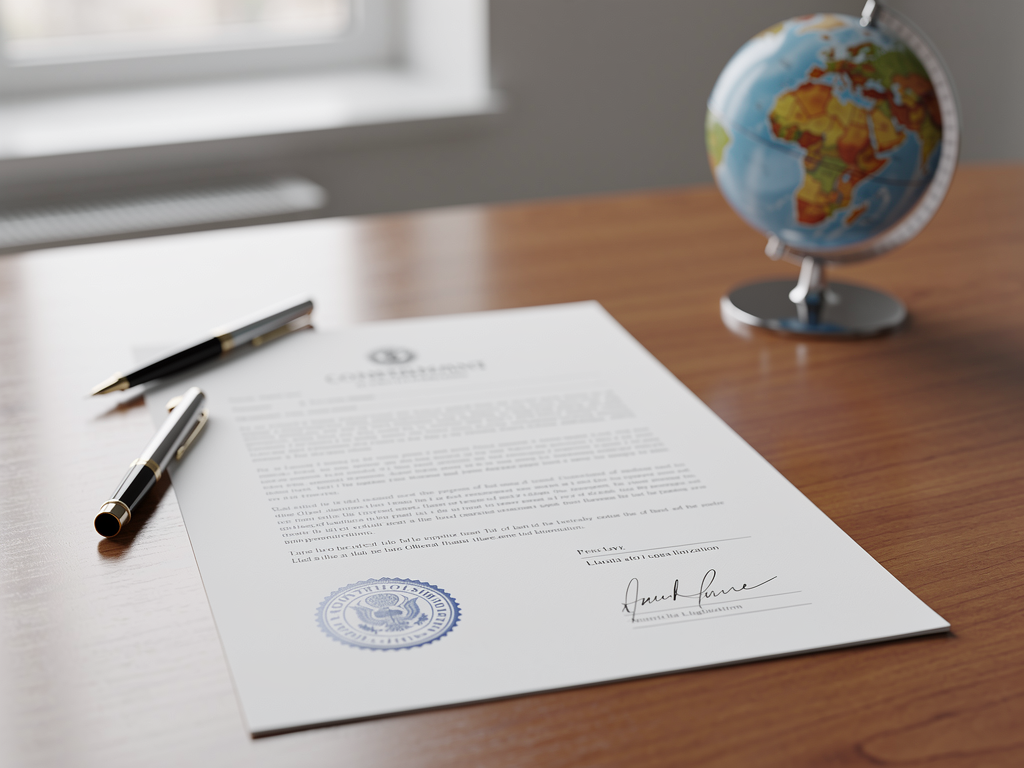
An apostille is a special kind of authentication that is used to verify the authenticity of documents for use in countries that are part of the Hague Convention. The Apostille Convention, signed in 1961, aims to simplify the process of authenticating documents across international borders. If you are planning to study, work, or conduct business abroad, it’s crucial to understand what documents require an apostille. In this article, we will delve into the various types of documents that need to be apostilled and the process of obtaining an apostille.
Types of Documents That Require an Apostille
Not all documents need an apostille, but those that do generally fall into specific categories. These include:
- Birth and Death Certificates: For inheritance, marriage, or other legal purposes, these documents often need to be apostilled to be recognized abroad.
- Marriage Certificates: Essential for spousal visas, inheritances, and legal proceedings in another country.
- Divorce and Annulment Documents: Required for remarriage, child custody cases, or other legal matters in a foreign country.
- Adoption Papers: Needed for international adoptions to prove the legitimacy of the adoption process.
- Diplomas and Transcripts: For foreign job applications or university admissions, educational documents must be apostilled to verify their authenticity.
- Power of Attorney: Essential for conducting business or managing properties in another country.
- Business Documents: Articles of incorporation, certificates of good standing, and other corporate documents may require an apostille for international business transactions.
Why Are Apostilles Necessary?
Apostilles are necessary because they provide a uniform method of authentication that is recognized by all countries that are party to the Hague Convention. This simplifies international transactions and document recognition, ensuring that documents issued in one country can be used in another without the need for further legalization through the embassy or consulate of the destination country.
The Apostille Process
Obtaining an apostille involves several steps:
- Prepare Your Document: Ensure the document is an original or a certified copy issued by the relevant authority.
- Notarization: Some documents may require notarization before they can be apostilled.
- Submit for Apostille: The document is then submitted to the competent authority in the country of origin for apostille. This is usually the Secretary of State or a similar state or national department.
- Receive the Apostille: Once the document is verified, an apostille certificate is attached to it, confirming its authenticity.
Conclusion
In conclusion, understanding which documents require an apostille is crucial for anyone dealing with international transactions, relocation, or business expansion. The apostille process, while it may seem complex, is designed to facilitate the use of documents across borders, ensuring that your documents are recognized and respected internationally. Always check the specific requirements for the country where your documents will be used, as regulations can vary.
Related guides: Your Comprehensive Solution for Business Document Apostilles · Why is Apostille Attestation Needed?