Getting your documents properly authenticated for use in another country can feel like navigating a complex maze. Whether you’re planning to work abroad, study internationally, or handle legal matters overseas, understanding the document authentication process is crucial for ensuring your paperwork is accepted worldwide.
Understanding Document Authentication Methods
There are two primary methods for authenticating documents for international use: the Apostille process and the traditional legalization process. Which method you’ll need depends entirely on the countries involved and their international agreements.
The Apostille Process
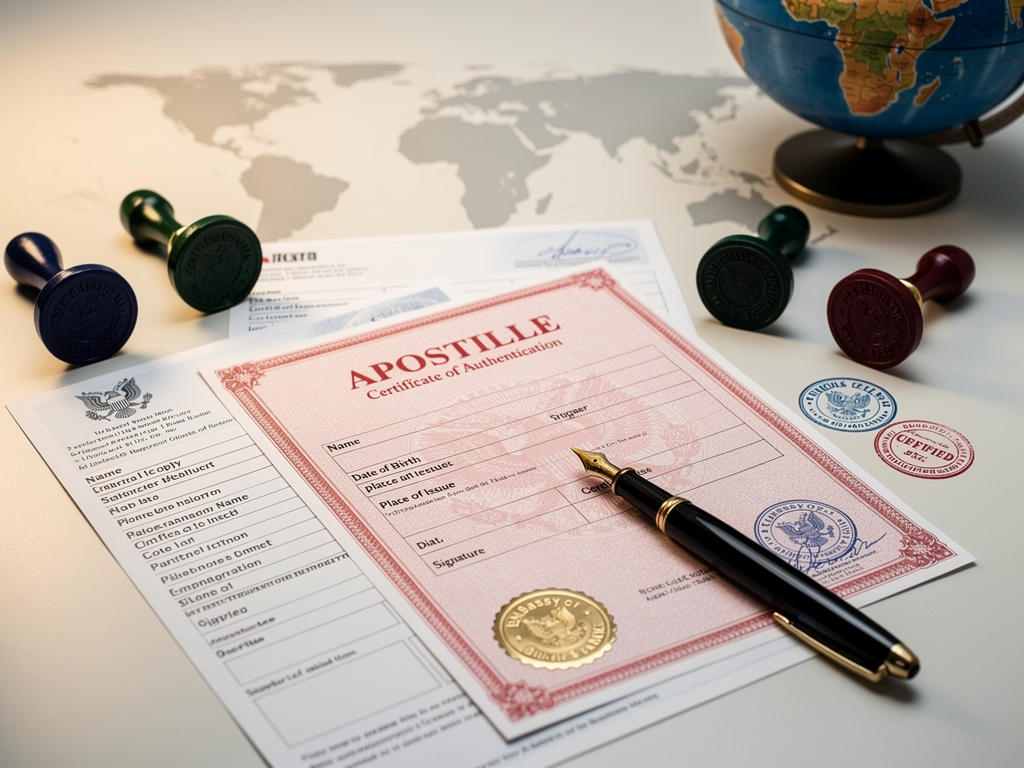
An Apostille is a standardized certificate issued under the Hague Convention of 1961. This simplified authentication method is valid among countries that are members of the Hague Convention, currently numbering over 120 nations.
The Apostille certificate verifies:
- The authenticity of the signature on the document
- The capacity in which the person signing the document acted
- The identity of any seal or stamp the document bears
Traditional Legalization Process
For countries not part of the Hague Convention, documents must go through the traditional legalization process, which typically involves multiple steps and authorities. This process is often more time-consuming and complex than obtaining an Apostille.
Documents That Typically Require Authentication
Common documents that frequently need international authentication include:
- Birth certificates
- Marriage certificates
- Educational diplomas and transcripts
- Corporate documents
- Power of attorney
- Commercial invoices
- Criminal record checks
- Medical certificates
Step-by-Step Authentication Process
For Apostille Authentication
Follow these steps to obtain an Apostille:
- Obtain Original Documents: Ensure you have original or certified copies of your documents
- Notarization: Have the documents notarized if required
- State Authentication: Submit documents to your state’s Secretary of State office
- Receive Apostille: Once processed, you’ll receive the Apostille certificate attached to your document
For Traditional Legalization
The traditional legalization process typically involves:
- Document Preparation: Obtain original or certified copies
- Notarization: Have documents notarized by a public notary
- State Authentication: Get authentication from the Secretary of State
- U.S. Department of State: Obtain federal authentication if required
- Embassy Legalization: Submit documents to the embassy or consulate of the destination country
Important Considerations and Tips
Timing and Planning
Authentication processes can take anywhere from a few days to several weeks. Consider these factors:
- Processing times vary by jurisdiction and method
- Some countries require documents to be authenticated within a specific timeframe
- Rush services may be available for additional fees
- Plan ahead to avoid delays in your international proceedings
Translation Requirements
Many countries require documents to be translated into their official language. Remember:
- Translations must typically be completed by certified translators
- Some countries require translations to be done in the destination country
- Both the original document and translation may need authentication
Common Challenges and Solutions
Document-Specific Issues
Different documents may face unique challenges during authentication:
- Educational Documents: May require verification from the issuing institution first
- Legal Documents: Might need additional certifications from specific authorities
- Medical Documents: Could require validation from medical boards or health authorities
Country-Specific Requirements
Each country has its own specific requirements for document authentication. Some common variations include:
- Different processing times and fees
- Specific format requirements for translations
- Additional stamps or certifications
- Particular chain of authentication steps
Cost Considerations
Document authentication costs can vary significantly based on several factors:
- Type of authentication required (Apostille vs. Traditional)
- Number of documents needing authentication
- Rush processing fees if applicable
- Translation costs if needed
- Shipping and handling fees
Using Professional Authentication Services
While it’s possible to handle document authentication yourself, many people choose to use professional services because they:
- Have experience with various countries’ requirements
- Can often expedite the process
- Handle all necessary steps from start to finish
- Reduce the risk of errors or delays
- Provide tracking and updates throughout the process
Maintaining Document Security
Throughout the authentication process, it’s crucial to:
- Keep copies of all original documents
- Use secure shipping methods when sending documents
- Track all submissions and communications
- Store authenticated documents safely
- Consider getting additional certified copies when possible
Final Tips for Success
To ensure a smooth authentication process:
- Research requirements thoroughly before starting
- Allow plenty of time for processing
- Keep detailed records of all submissions and communications
- Consider working with experienced professionals for complex cases
- Verify all requirements with the receiving institution or authority
Remember that document authentication requirements can change, so it’s always best to verify current procedures with official sources or consult with a professional service provider for the most up-to-date information.
Related guides: Apostille Documents: A Complete Guide to International Document Authentication · Apostille Documents: Your Complete Guide to International Document Authentication