When dealing with important documents for international use, you may encounter the term ‘apostille’ – a critical certification that can make or break your international plans. Whether you’re planning to study abroad, get married in another country, or conduct international business, understanding apostilles is essential for navigating global bureaucracy.
What Is an Apostille?
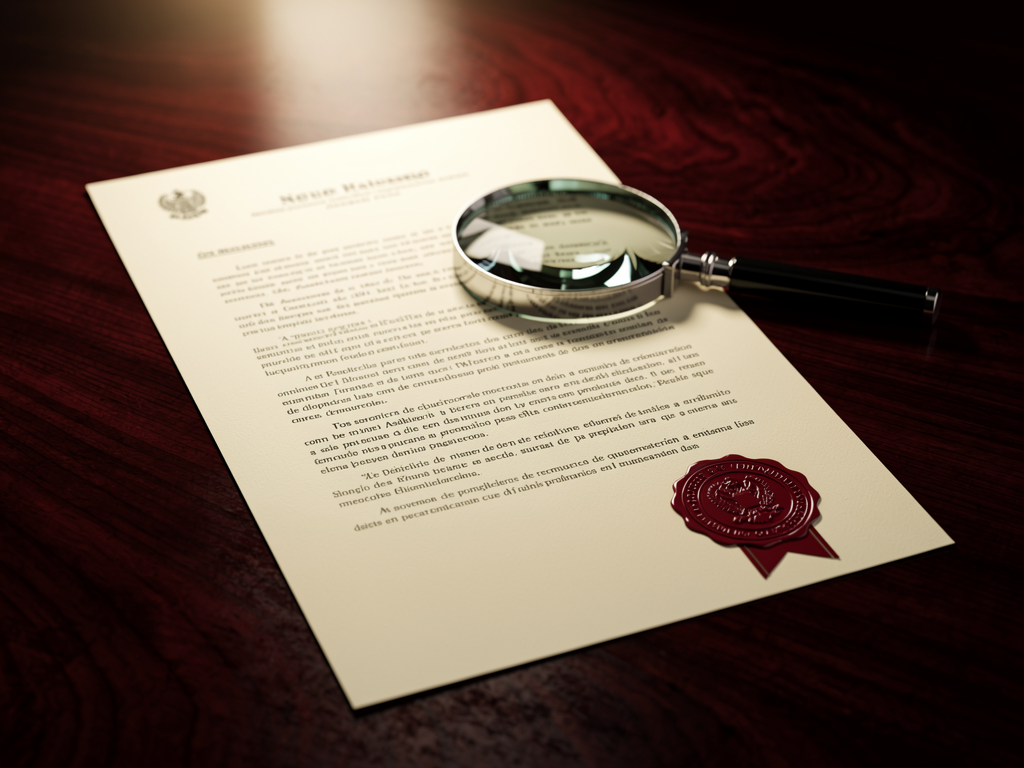
An apostille is a specialized certificate that authenticates the origin of a public document for international use. It’s essentially a form of authentication recognized by countries that are members of the Hague Apostille Convention of 1961. This certification verifies the authenticity of the signature, seal, or stamp on a public document, making it valid for use in any other country that is part of the Convention.
The Legal Framework Behind Apostilles
The Hague Apostille Convention was established to simplify the process of document verification between participating countries. Before this convention, documents required a complex chain of certifications known as ‘legalization’ to be recognized internationally. The apostille process streamlined this into a single certification step.
When Is an Apostille Required?
Apostilles are typically required for official documents that need to be used in another country. Here are common scenarios where you might need an apostille:
- Educational Purposes: Diplomas, transcripts, and degree certificates for studying abroad
- Legal Matters: Birth certificates, marriage certificates, and death certificates
- Business Transactions: Company registration documents, power of attorney, and commercial certificates
- Immigration: Background checks and other official documents for visa applications
- Professional Licensing: Professional certifications and licenses for working abroad
Documents That Can Be Apostilled
Not all documents qualify for an apostille. Here are the main categories of documents that can receive an apostille certification:
Administrative Documents
- Birth, death, and marriage certificates
- Divorce decrees
- Police clearance certificates
- Government-issued identification
Educational Documents
- Diplomas and degrees
- Academic transcripts
- Educational certificates
- Letters of recommendation from educational institutions
Legal Documents
- Court documents
- Power of attorney
- Affidavits
- Incorporation documents
The Apostille Process
Obtaining an apostille involves several steps that must be followed carefully:
- Document Preparation: Ensure your document is original or a certified copy from the issuing authority
- Verification: The document must be verified by the appropriate authority in your country
- Submission: Present the document to the designated apostille-issuing authority
- Processing: The authority reviews and issues the apostille certificate
- Completion: The apostille is attached to your original document
Common Challenges and Solutions
Time Constraints
The apostille process can take anywhere from a few days to several weeks. Plan ahead and consider expedited services if available in your jurisdiction. Some countries offer same-day or emergency services for an additional fee.
Document Requirements
Different countries may have varying requirements for document preparation before apostille. Some might require notarization or other preliminary certifications. Always check the specific requirements for both the issuing and receiving countries.
Important Considerations
Cost Factors
The cost of obtaining an apostille varies by country and document type. Additional fees may apply for:
- Express processing
- Preliminary certifications
- Translation services
- Courier or mailing fees
Validity Period
An apostille itself doesn’t expire, but the underlying document might have an expiration date. Always verify the validity requirements for your specific situation and destination country.
Alternative Authentication Methods
For countries not party to the Hague Convention, different authentication procedures may be required:
- Consular Authentication: Document verification through embassy or consulate offices
- Chain Authentication: Multiple-step verification process through various government offices
- Bilateral Agreements: Special arrangements between specific countries
Digital Apostilles
With technological advancement, some countries have begun implementing e-Apostilles. These electronic certifications offer several advantages:
- Faster processing times
- Enhanced security features
- Easier verification process
- Reduced risk of fraud
Practical Tips for Success
To ensure a smooth apostille process, consider these recommendations:
- Start the process well in advance of when you need the document
- Keep original documents and copies in pristine condition
- Research country-specific requirements thoroughly
- Consider using professional apostille services for complex cases
- Maintain clear communication with all involved parties
Conclusion
Understanding apostilles is crucial for anyone dealing with international document requirements. While the process may seem complex, knowing when and how to obtain an apostille can save considerable time and prevent potential complications in your international endeavors. Whether for personal, educational, or professional purposes, proper document authentication through apostille ensures your documents will be recognized and accepted across borders.
Related guides: Essential Guide to Apostille Documents for International Travel: What You Need to Know · Document Authentication for International Use: A Complete Guide to Apostille and Legalization