
Navigating the apostille process can seem daunting, but it’s an essential step for using documents internationally. This comprehensive guide breaks down every step of getting your documents apostilled, helping you avoid common pitfalls and ensure your paperwork is properly authenticated for use abroad.
What is an Apostille and Why Do You Need One?
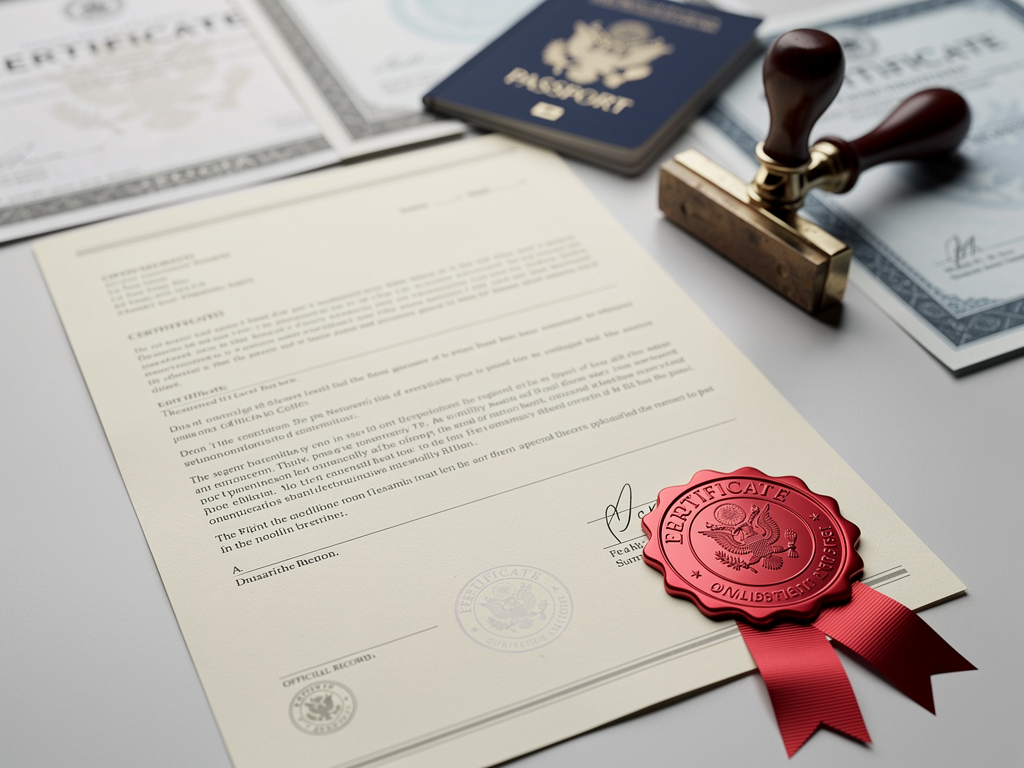
An apostille is a specialized certificate that authenticates the origin of a public document for use in another country. This authentication is recognized by all countries that are members of the Hague Apostille Convention, which currently includes over 120 nations.
You might need an apostille for various documents, including:
- Birth certificates
- Marriage certificates
- Academic diplomas and transcripts
- Corporate documents
- Power of attorney forms
- Court documents
- Adoption papers
- Background checks
Before You Begin: Document Preparation
Before starting the apostille process, ensure your documents meet these essential requirements:
- Documents must be original or certified copies from the issuing authority
- All documents must be current and valid
- Documents in a foreign language should include certified translations
- Ensure documents are in good condition with no damages or alterations
Step-by-Step Apostille Process
Step 1: Verify Document Eligibility
First, confirm that your document qualifies for an apostille. Public documents issued by government agencies, educational institutions, and courts typically qualify. Private documents may need notarization first.
Step 2: Determine the Appropriate Authority
In the United States, the Secretary of State’s office typically handles apostilles. However, the specific authority depends on:
- The type of document
- The state where the document was issued
- Whether it’s a federal or state-level document
Step 3: Document Authentication
Some documents require authentication before the apostille can be issued:
- Notarized documents need current notary certification
- Academic records may need verification from the institution
- Court documents might require certification from the court clerk
Submitting Your Application
Required Materials
Gather the following items for your apostille application:
- Original or certified copy of your document
- Completed apostille application form
- Government-issued photo ID
- Payment for required fees
- Self-addressed return envelope (if applying by mail)
Submission Methods
There are several ways to submit your apostille request:
- In-Person: Visit your local Secretary of State’s office
- By Mail: Send documents to the appropriate authority
- Through an Apostille Service: Use a professional service provider
Processing Times and Fees
Processing times vary significantly depending on your location and submission method:
- In-person: Often same-day or next-day service
- Mail applications: 5-10 business days on average
- Expedited service: 2-3 business days (additional fee)
Fees typically range from $10 to $50 per document, with additional costs for:
- Expedited processing
- Authentication certificates
- Certified copies
- Shipping and handling
Common Challenges and Solutions
Document Rejection
Documents may be rejected for several reasons:
- Incomplete or incorrect information
- Missing signatures or seals
- Expired documents
- Damaged or altered documents
Solutions
To avoid rejection, ensure:
- All information is complete and accurate
- Documents are properly notarized if required
- Signatures are original and match ID
- Documents are in good condition
Special Considerations
International Requirements
Different countries may have specific requirements for apostilled documents:
- Translation requirements
- Document validity periods
- Additional authentication steps
Digital Apostilles
Some jurisdictions now offer e-apostilles:
- Faster processing times
- Enhanced security features
- Digital verification capabilities
- Reduced paper waste
After Receiving Your Apostille
Once you receive your apostilled document:
- Make several copies for your records
- Store the original in a safe place
- Check the validity period if applicable
- Verify acceptance with the receiving authority
Tips for a Smooth Apostille Process
Follow these best practices to ensure success:
- Start early – allow plenty of time for processing
- Double-check all requirements before submission
- Keep copies of all correspondence
- Track your application if possible
- Consider using a professional service for complex cases
Remember that while the apostille process may seem complex, following these steps carefully will help ensure your documents are properly authenticated for international use. If you’re unsure about any part of the process, don’t hesitate to contact your local Secretary of State’s office or consult with a professional apostille service.