Understanding the requirements for international document authentication can be complex, especially when dealing with official documents that need to be recognized abroad. An apostille is a crucial certification that plays a vital role in this process, and knowing when you need one can save you significant time and hassle.
What Is an Apostille?
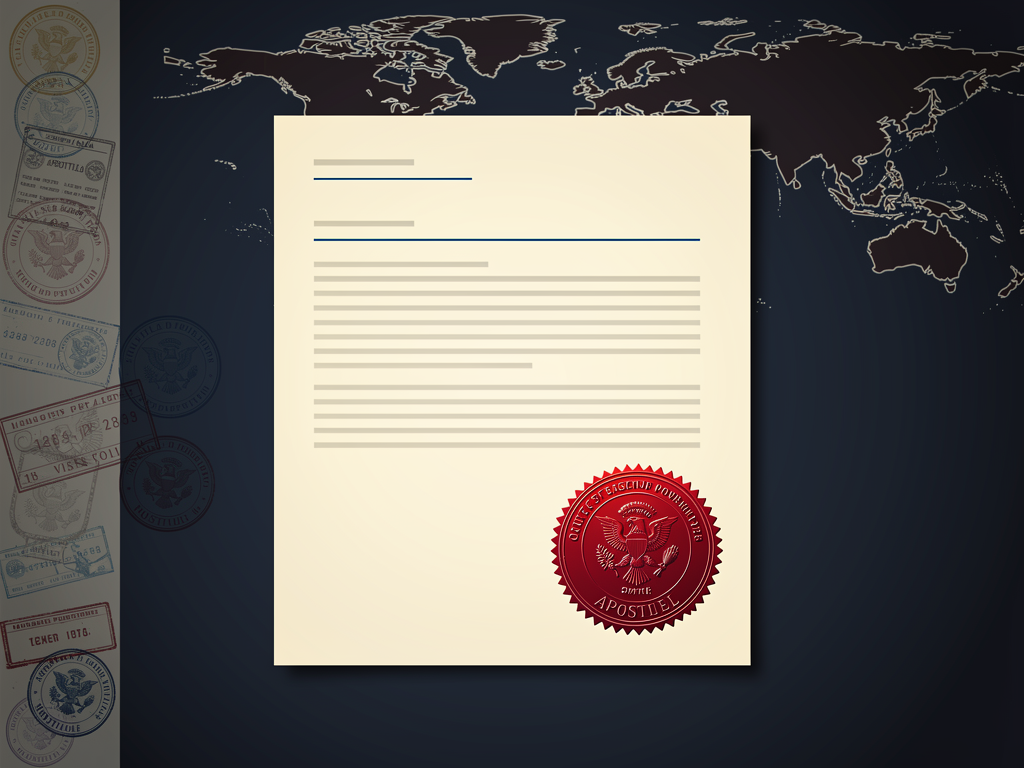
An apostille is a specialized certificate that authenticates the origin of a public document. Created by the 1961 Hague Convention, it serves as a standardized method of document certification that is recognized by all member countries of the Hague Apostille Convention. This certification verifies the authenticity of the signature, seal, or stamp on a public document, making it legally valid for use in another country.
Key Features of an Apostille
- A standardized certificate format used internationally
- Contains a unique identification number
- Validates the authenticity of the document’s origin
- Recognized by all Hague Convention member countries
- Usually appears as a square-shaped stamp or certificate attachment
When Is an Apostille Required?
An apostille is typically required when you need to use official documents from one country in another country that is a member of the Hague Convention. Here are the most common scenarios:
Personal Documents
- Birth certificates for immigration or citizenship applications
- Marriage certificates for legal recognition abroad
- Death certificates for inheritance matters
- Divorce decrees for remarriage in another country
- Educational diplomas and transcripts for foreign studies or employment
Business Documents
- Company registration certificates
- Power of attorney documents
- Patent applications
- Commercial contracts
- Corporate financial statements
Legal Documents
- Court documents
- Affidavits
- Notarized statements
- Criminal record checks
- Adoption papers
The Apostille Process
Obtaining an apostille involves several steps and varies slightly depending on your location and the type of document. Here’s the general process:
- Document Preparation: Ensure your document is original or a certified copy
- Notarization: Some documents may require notarization before the apostille can be issued
- Submission: Submit the document to the appropriate authority (usually the Secretary of State or equivalent)
- Processing: The authority verifies the document and attaches the apostille
- Return: Receive your apostilled document
Countries That Accept Apostilles
Not all countries participate in the Hague Apostille Convention. Currently, over 120 countries are members. When dealing with non-member countries, different authentication procedures, such as consular legalization, may be required.
Major Participating Countries Include:
- United States and most European Union countries
- United Kingdom and Commonwealth nations
- Australia and New Zealand
- Japan and South Korea
- Many Latin American countries
Common Misconceptions About Apostilles
Several misconceptions exist about apostilles that can lead to confusion and delays:
Common Myths
- Myth: All documents need an apostille for international use
Reality: Only documents being used in Hague Convention countries require apostilles - Myth: Apostilles never expire
Reality: While the apostille itself doesn’t expire, the underlying document might - Myth: Any notary can issue an apostille
Reality: Only designated government authorities can issue apostilles
Cost and Timeframes
The cost and processing time for obtaining an apostille varies by:
- Country and state of issuance
- Type of document
- Processing speed requested (regular vs. expedited)
- Number of documents requiring authentication
Tips for Smooth Apostille Processing
To ensure a smooth apostille process, consider these important tips:
- Plan ahead – processing can take several weeks
- Verify that your document qualifies for an apostille
- Ensure all documents are original or certified copies
- Check if translations need to be certified
- Confirm the receiving country’s specific requirements
Digital Apostilles: The Future of Authentication
With technological advancement, some countries are beginning to implement e-Apostilles. These digital authentications offer several advantages:
- Faster processing times
- Reduced risk of fraud
- Easy verification through online systems
- Environmental benefits
- Cost-effective for both issuers and users
When to Seek Professional Help
While obtaining an apostille can be done independently, certain situations may warrant professional assistance:
- Complex document requirements
- Time-sensitive situations
- Multiple documents needing authentication
- Documents requiring translation
- International business transactions
Final Considerations
Before proceeding with the apostille process, remember these key points:
- Verify the receiving country’s membership in the Hague Convention
- Check document requirements for your specific situation
- Allow sufficient processing time
- Keep copies of all important documents
- Consider seeking professional guidance for complex cases