
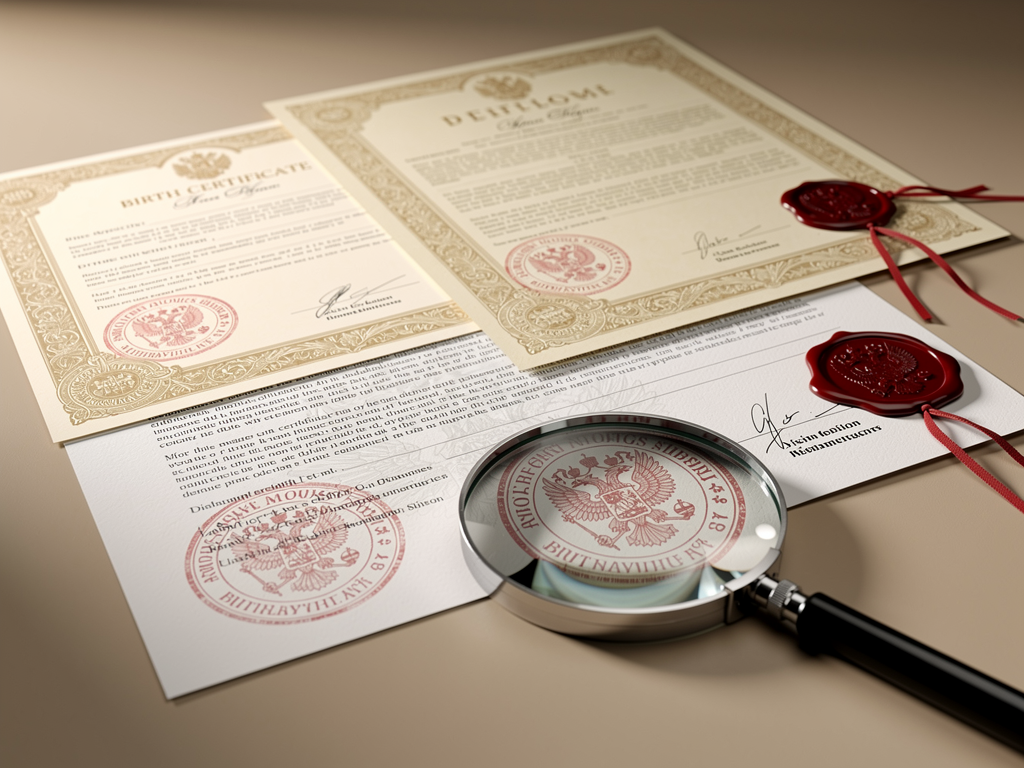
Understanding which documents can receive an apostille certification is crucial for anyone dealing with international paperwork. This comprehensive guide will walk you through everything you need to know about apostille-eligible documents and help you navigate the certification process with confidence.
What is an Apostille?
An apostille is a specialized form of authentication issued to documents for use in countries that participate in the Hague Convention of 1961. It verifies the authenticity of the document’s origin, making it legally valid for use in any of the 122 member countries of the Hague Convention.
Common Documents That Can Be Apostilled
1. Vital Records and Civil Documents
- Birth Certificates – Both original and certified copies from vital records offices
- Death Certificates – Official copies issued by government authorities
- Marriage Certificates – Government-issued marriage records
- Divorce Decrees – Court-issued divorce documentation
2. Educational Documents
- Diplomas – From accredited educational institutions
- Transcripts – Official academic records
- Degree Certificates – Higher education qualifications
- School Records – Various educational documentation
3. Legal Documents
- Court Documents – Including judgments and orders
- Power of Attorney – Both general and specific
- Affidavits – Properly notarized
- Articles of Incorporation – Business formation documents
Business and Commercial Documents
The following business-related documents can typically receive an apostille certification:
- Company Registration Certificates
- Board Resolutions
- Commercial Invoices (when notarized)
- Trademark Registrations
- Patent Documentation
- Business Licenses
Personal and Professional Documents
1. Identity Documents
- Passport Copies (when notarized)
- Driver’s License Copies (when notarized)
- State ID Cards (when notarized)
- Social Security Cards (when notarized)
2. Professional Credentials
- Professional Licenses
- Medical Certificates
- Teaching Certificates
- Professional Registrations
Documents That Cannot Be Apostilled
It’s equally important to understand which documents are not eligible for apostille certification:
- Original Passports – Only notarized copies can be apostilled
- Original National ID Cards – Only notarized copies are eligible
- Non-notarized Copies of any original documents
- Documents from Non-member Countries of the Hague Convention
- Unofficial Translations – Only certified translations are eligible
Requirements for Apostille-Eligible Documents
For a document to be eligible for apostille certification, it must meet certain criteria:
- Original or Certified Copy – The document must be either an original or a certified copy from the issuing authority
- Proper Notarization – Many documents require notarization before apostille
- Current Validity – The document should be valid and not expired
- Issuing Authority – Must be from a Hague Convention member country
Special Considerations for Different Countries
Document requirements can vary by country:
United States
In the U.S., documents must typically be:
- Notarized by a state-licensed notary
- Certified by the Secretary of State’s office
- Issued within the state where the apostille is being requested
European Union Countries
EU members may have additional requirements:
- Certified translations for non-native language documents
- Specific government department certifications
- Regional authority validations
The Apostille Process
To get your eligible document apostilled:
- Document Preparation – Ensure the document meets all requirements
- Notarization – If required, have the document notarized
- Authentication – Submit to the appropriate authority (usually Secretary of State)
- Apostille Issuance – Receive the apostille certificate
Common Mistakes to Avoid
When seeking an apostille, avoid these common errors:
- Submitting photocopies without proper certification
- Forgetting to notarize documents when required
- Requesting apostilles for documents from non-member countries
- Using expired documents
- Failing to verify country-specific requirements
Final Considerations
Before proceeding with an apostille request:
- Verify the receiving country’s specific requirements
- Ensure all documents are current and valid
- Allow sufficient processing time
- Maintain copies of all submitted documents
- Consider using professional apostille services for complex cases
Understanding which documents can be apostilled is crucial for successful international document processing. By ensuring your documents meet the necessary requirements and following proper procedures, you can avoid delays and complications in your apostille certification process.