
Getting your documents apostilled might seem overwhelming at first, but understanding the process can make it straightforward and hassle-free. This comprehensive guide walks you through everything you need to know about obtaining an apostille for your important documents.
What is an Apostille and Why Do You Need It?
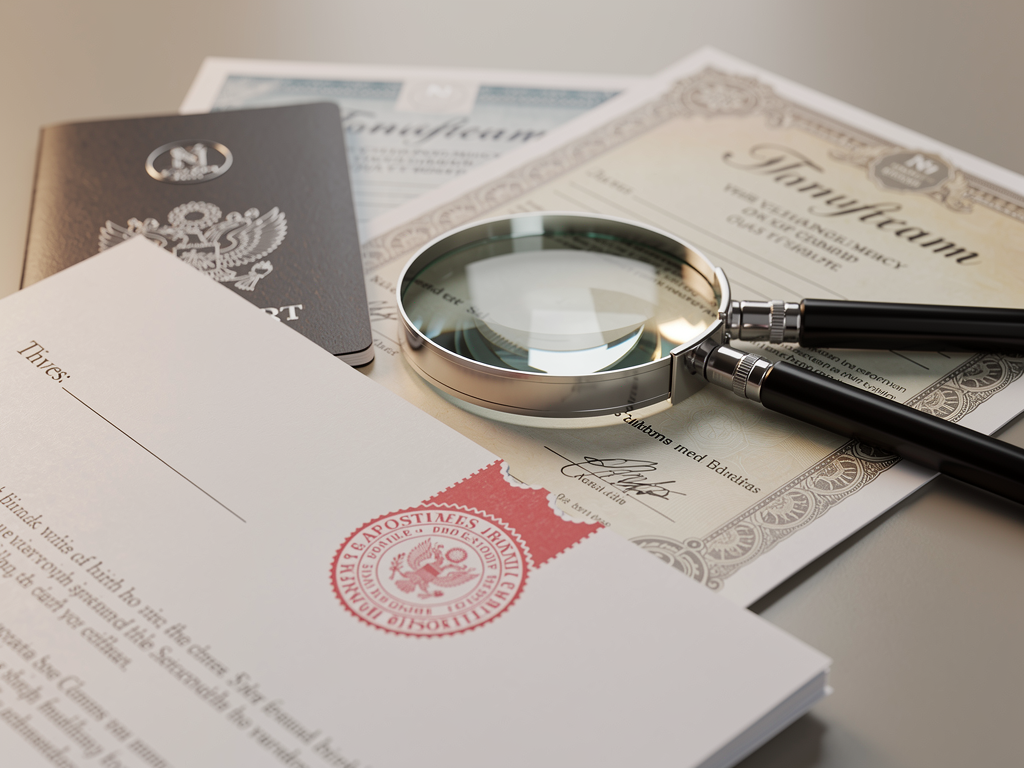
An apostille is a certificate that authenticates the origin of a public document for use in countries that participate in the Hague Apostille Convention. It’s essentially an international certification that verifies the authenticity of documents for use abroad.
Common Documents That Require Apostilles
- Birth certificates
- Marriage certificates
- Death certificates
- Academic diplomas and transcripts
- Corporate documents
- Power of attorney forms
- Court documents
- Background checks
Step-by-Step Process to Get Your Documents Apostilled
Step 1: Obtain Original or Certified Copies
Before beginning the apostille process, ensure you have either the original document or a certified copy from the issuing authority. Photocopies or notarized copies of original documents typically won’t be accepted for apostille.
Step 2: Verify Document Eligibility
Confirm that both your country and the destination country are members of the Hague Apostille Convention. If either country isn’t a member, you’ll need to follow a different authentication process called legalization.
Step 3: Document Authentication
Depending on the document type, you may need to have it authenticated by specific authorities before requesting an apostille:
- Educational documents: Must be notarized or certified by the institution
- Legal documents: May require court certification
- Government documents: Often need certification from the issuing agency
Where to Get Documents Apostilled
Government Offices
In the United States, apostilles are typically issued by:
- Secretary of State’s office (for state-issued documents)
- U.S. Department of State (for federal documents)
- State Authentication offices
Private Services
You can also use authorized apostille services that can handle the process on your behalf. While these services charge additional fees, they can save time and ensure proper processing.
Required Documentation and Fees
To obtain an apostille, you’ll typically need:
- The original or certified copy of your document
- A completed apostille request form
- Government-issued ID
- Payment for required fees
- Self-addressed envelope (if requesting by mail)
Cost Considerations
Fees vary by location and document type, but typically include:
- Basic apostille fee: $10-40 per document
- Expedited processing fees (optional): $50-100
- Authentication service fees (if using): $75-300
- Shipping and handling costs
Processing Times and Expedited Services
Standard Processing
Regular processing times typically range from:
- In-person: Same day to 2-3 business days
- Mail-in requests: 5-15 business days
- During peak seasons: Up to 20 business days
Expedited Processing
Most offices offer expedited services for an additional fee, which can reduce processing time to:
- Same-day service (in-person)
- 2-3 business days (mail-in)
Common Mistakes to Avoid
Prevent delays by avoiding these frequent errors:
- Submitting incomplete or incorrect forms
- Using photocopies instead of originals or certified copies
- Failing to notarize documents when required
- Sending documents to the wrong authority
- Not including proper payment
- Forgetting to include return shipping materials
Special Considerations for Different Document Types
Academic Documents
For educational documents, you may need to:
- Obtain certification from the academic institution
- Get verification from the state education department
- Have transcripts sealed and certified
Legal Documents
Court documents and legal papers often require:
- Original court seals
- Judge or clerk certification
- Additional notarization
International Use and Recognition
Once your document is apostilled, keep in mind:
- The apostille is recognized in all Hague Convention countries
- No additional authentication is typically needed
- Some countries may require certified translations
- Apostilles don’t expire, but underlying documents might
Tips for a Smooth Apostille Process
Follow these recommendations for best results:
- Start early – allow extra time for unexpected delays
- Double-check all requirements before submission
- Keep copies of all documents and correspondence
- Track your shipments if sending by mail
- Consider using a professional service for complex cases
- Verify document requirements with the receiving country
Remember that while the apostille process may seem complex, careful preparation and attention to detail will help ensure successful document authentication. Whether you choose to handle the process yourself or work with a professional service, understanding these steps and requirements will help you avoid common pitfalls and delays.