
Preparing documents for international travel requires careful attention to detail, especially when an apostille certification is needed. This comprehensive guide will walk you through the entire process of getting your documents apostille-ready, helping you avoid common pitfalls and ensuring smooth international document acceptance.
Understanding the Apostille Certificate
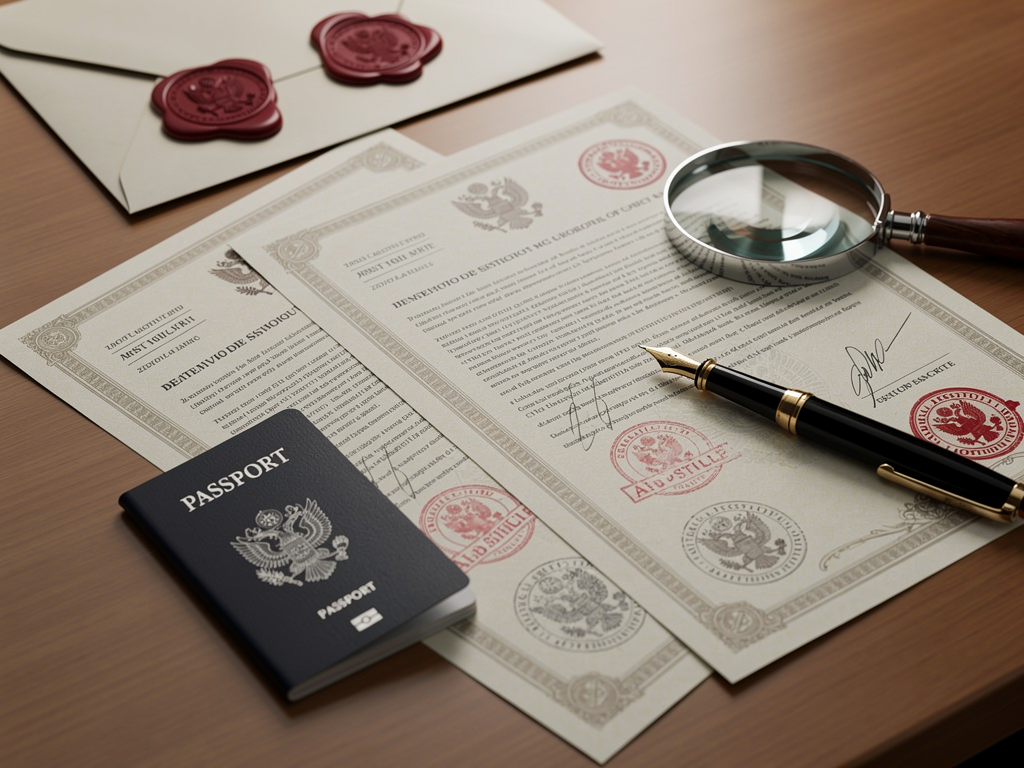
An apostille is a form of authentication issued to documents for use in countries that participate in the Hague Convention of 1961. It serves as a certification that a document’s signature, seal, or stamp is genuine and ensures your documents will be legally recognized in foreign countries.
Which Documents Typically Need an Apostille?
- Birth certificates
- Marriage certificates
- Academic diplomas and transcripts
- Criminal background checks
- Corporate documents
- Power of attorney forms
- Adoption papers
- Court documents
Step-by-Step Document Preparation Process
1. Obtain Original or Certified Copies
Before beginning the apostille process, ensure you have either the original document or a certified copy from the issuing authority. Photocopies or notarized copies of originals typically won’t be accepted for apostille certification.
Important: Documents must be issued or certified by a competent authority within the country where you’re seeking the apostille.
2. Verify Document Eligibility
Contact the Secretary of State’s office or appropriate authority in your jurisdiction to confirm that your document qualifies for an apostille. Some documents may require additional certification or notarization before they can receive an apostille.
Required Document Conditions
- Documents must be clean and unmarked
- Text must be clearly legible
- Documents should be free from alterations or damages
- All seals and signatures must be original
- Documents in foreign languages may require certified translation
Pre-Apostille Authentication Steps
Notarization Requirements
Many documents require notarization before they can receive an apostille. Here’s what you need to know about the notarization process:
- Locate a licensed notary public in your area
- Bring valid government-issued photo identification
- Sign the document in the presence of the notary
- Ensure the notary’s commission is current and their seal is clear
County Clerk Certification
Some jurisdictions require county clerk certification before the Secretary of State will issue an apostille. This intermediate step verifies the notary’s authority and commission status.
Submitting Documents for Apostille
Required Materials
Prepare the following items for submission:
- Original or certified document
- Completed apostille request form
- Payment for applicable fees
- Self-addressed return envelope (if submitting by mail)
- Cover letter explaining the request
Submission Methods
There are several ways to submit your documents for apostille certification:
- In-person submission: Fastest option, usually same-day service
- Mail submission: Processing typically takes 5-10 business days
- Expedited service: Available for additional fees
- Through an apostille service provider: Convenient but costlier option
Common Mistakes to Avoid
Don’t let these common errors delay your apostille process:
- Submitting photocopies instead of originals or certified copies
- Forgetting to notarize documents when required
- Missing signatures or incomplete forms
- Sending documents to the wrong authority
- Not verifying if the destination country accepts apostilles
Special Considerations for Different Document Types
Educational Documents
Academic credentials often require specific handling:
- Transcripts must usually come directly from the educational institution
- Diplomas may need verification from the school registrar
- Some countries require additional educational ministry authentication
Legal Documents
Court documents and legal papers have unique requirements:
- Must bear original court seals
- May need certification from the clerk of court
- Some documents require attorney verification
Time and Cost Considerations
Processing Timeframes
Plan ahead and consider these typical processing times:
- Standard processing: 5-10 business days
- Expedited service: 1-3 business days
- Same-day service: Available in some jurisdictions for in-person submissions
- Emergency processing: May be available for additional fees
Associated Costs
Budget for these potential expenses:
- Notary fees ($5-15 per signature)
- County clerk certification ($5-20)
- Apostille fee ($10-40 per document)
- Expedited processing fees (varies by jurisdiction)
- Translation services if required ($50-100 per page)
After Receiving Your Apostille
Once you receive your apostilled document:
- Make several copies for your records
- Store the original in a safe place
- Verify all information is correct
- Check the validity period if applicable
Final Tips for Success
Ensure a smooth apostille process by following these best practices:
- Start the process at least 4-6 weeks before you need the documents
- Double-check all requirements for your specific document type
- Maintain clear communication with all involved authorities
- Keep detailed records of all submissions and correspondence
- Consider using a professional service for complex cases
By following these guidelines and preparing your documents carefully, you’ll be well-equipped to navigate the apostille certification process successfully. Remember that requirements can vary by jurisdiction and document type, so always verify specific requirements with your local authority.