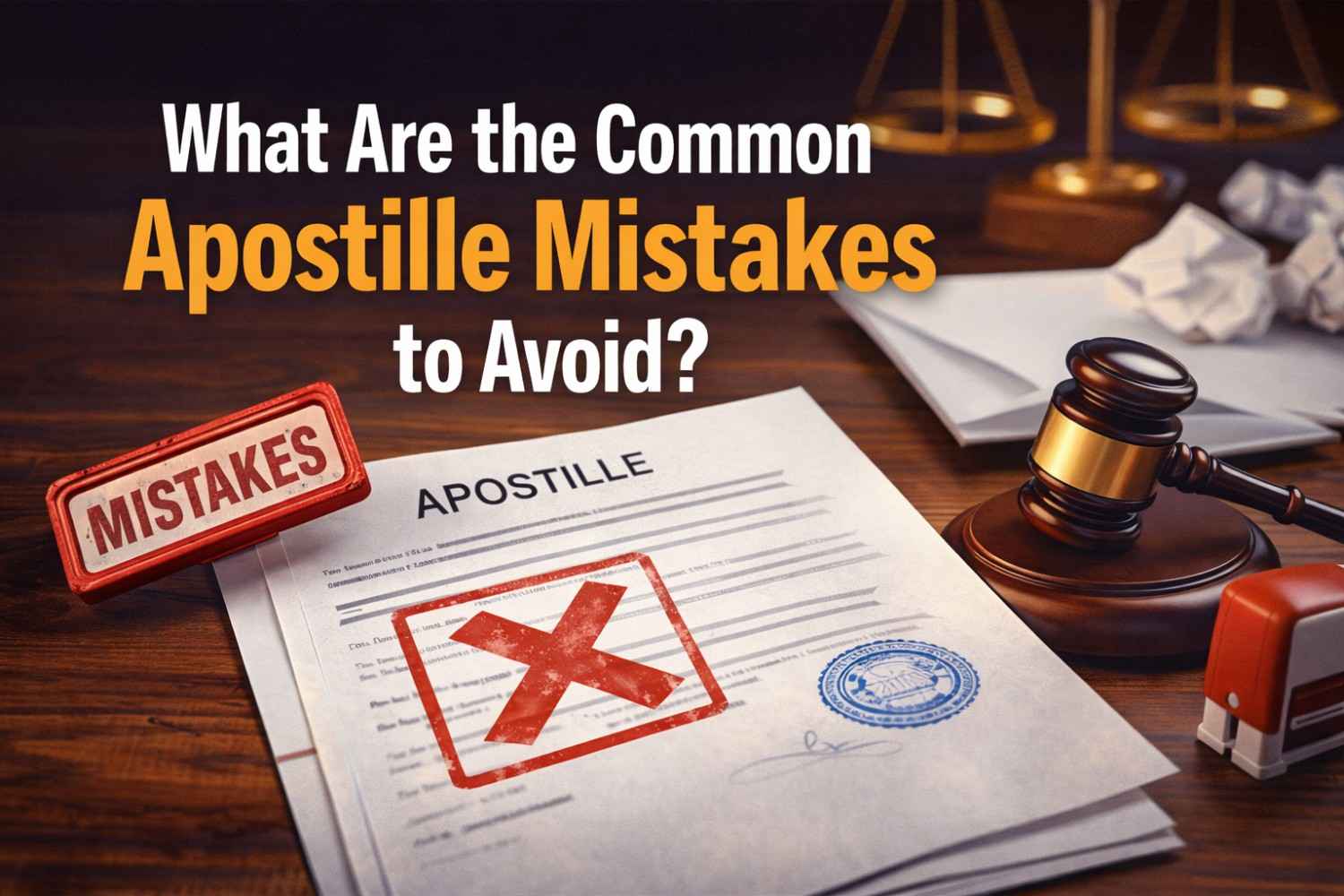
Navigating the apostille process can be confusing, especially when international deadlines loom. Understanding common apostille mistakes helps you avoid costly delays, rejections, and the frustration of starting over. Whether you’re authenticating documents for work abroad, international adoption, or overseas education, knowing what can go wrong protects your timeline and investment.
At Apostille Authentications in Oregon, we’ve helped thousands of clients successfully authenticate their documents. This comprehensive guide shares the most frequent errors we encounter and how to prevent them.
Understanding the Apostille Process
An apostille is an official certification that verifies the authenticity of documents for international use. The Hague Convention of 1961 created this simplified authentication method for documents traveling between member countries.
The apostille certificate confirms that signatures, seals, and stamps on your documents are genuine. Without proper apostille authentication, foreign governments and institutions will reject your paperwork. This affects visa applications, business registrations, marriage licenses, and educational enrollment.
Each state has designated authorities responsible for issuing apostilles. In Oregon, the Secretary of State handles most document types, while certain federal documents require authentication through the U.S. Department of State in Washington, D.C. Avoiding an apostille mistakes ensures your documents are processed correctly and on time.
Mistake #1: Submitting Documents to the Wrong Authority
One of the most common apostille mistakes involves sending documents to incorrect agencies. Not all documents receive apostilles from the same office, and choosing wrongly wastes valuable time and money.
State-issued documents like birth certificates, marriage licenses, divorce decrees, and corporate records require state-level apostille certification. Your Secretary of State’s office handles these authentication requests following specific procedures.
Federal documents including FBI background checks, naturalization certificates, and certain patent documents need authentication through the U.S. Department of State. These cannot receive state apostilles regardless of where you submit them.
Educational documents present particular confusion. Some diplomas and transcripts qualify for state apostille, while others require additional steps. Knowing the issuing authority helps prevent common apostille mistakes.
Before submitting anything, verify which agency has jurisdiction over your document type. Professional apostille services like ours eliminate this guesswork by routing documents correctly from the start.
Mistake #2: Forgetting Required Notarization
Many documents need notarization before receiving an apostille. Skipping this critical step represents a frequent error that causes immediate rejection and processing delays.
Powers of attorney, affidavits, contracts, and personal statements all require notary certification before apostille authentication. The notary public verifies the signer’s identity and witnesses the document execution, creating the foundation for apostille certification.
The apostille authenticates the notary’s signature and commission, not the document content itself. Without proper notarization, there’s nothing for the apostille authority to verify, making certification impossible.
Ensure your notary public holds a current commission in the same state where you’ll request the apostille. Avoiding common apostille mistakes is crucial, as an Oregon notary’s signature cannot receive apostille authentication from California’s Secretary of State.
Some documents like certified vital records already contain official signatures and seals, eliminating notarization requirements. Birth certificates, death certificates, and marriage licenses issued by government offices typically qualify for direct apostille placement.
Mistake #3: Using Uncertified or Photocopied Documents
Apostille authorities only authenticate original documents or certified copies issued by authorized agencies. Regular photocopies, scanned documents, and uncertified duplicates will always face rejection.
Birth certificates must be certified copies from the vital records office, not hospital-issued commemorative certificates. Many apostille mistakes happen when keepsake versions lacking official seals and signatures are submitted.
For educational credentials, you’ll need official transcripts sent directly from the school or certified copies bearing the institution’s original seal. Avoid common apostille mistakes, as photocopies from your personal files won’t qualify regardless of how authentic they appear.
Corporate documents require certification from the Secretary of State’s office where the business registered. Articles of incorporation, certificates of good standing, and operating agreements need official certification before apostille processing.
When ordering vital records or educational transcripts, specify that you need them for international use requiring apostille authentication. Many issuing offices understand this requirement and provide appropriately certified versions.
Mistake #4: Failing to Verify Destination Country Requirements
Not every country participates in the Hague Apostille Convention. Sending apostilled documents to non-member nations represents a significant error with no simple remedy.
Countries outside the convention require different authentication procedures called legalization. Avoiding apostille mistakes is crucial, as this multi-step process involves state authentication, U.S. Department of State certification, and embassy legalization from the destination country.
Before starting the apostille process, confirm your destination country’s membership in the Hague Convention. Current member nations accept apostille certification, while non-members need traditional document legalization.
Some countries maintain additional requirements beyond basic apostille authentication. They might require specific formatting, translations, or supplementary certifications. Research destination country requirements thoroughly or consult professional authentication services.
International adoption, foreign business registration, and overseas employment often involve multiple document types with varying requirements. Understanding each document’s specific needs helps prevent costly apostille mistakes and processing delays.
Mistake #5: Incorrect or Missing Translations
Foreign governments typically require documents in their official language. Submitting English-only documents without proper translation creates immediate complications and possible rejections.
Translation requirements vary significantly between countries. Avoiding common apostille mistakes is essential, as some accept apostille placement on English documents with separate certified translations, while others require translation before apostille authentication or on both original and translated versions.
Using unqualified translators represents a common mistake. Most countries require certified translations from professional translators or translation services. Your neighbor who speaks Spanish fluently cannot provide acceptable certified translations for legal purposes.
The translation certification itself often needs notarization before receiving an apostille. This creates a multi-step process: original document apostille, professional translation, translation certification, notarization of translator’s certificate, and apostille on the translation certification.
Understanding your destination country’s translation requirements before beginning saves time and prevents rejections. Professional apostille services coordinate translation and authentication in the correct sequence.
Mistake #6: Rushing Without Allowing Adequate Processing Time
Underestimating apostille processing timelines can lead to unnecessary stress and costly apostille mistakes. Standard processing through Secretary of State offices typically takes 1–3 weeks, though timelines vary by state and season. Rush services exist but cost significantly more, and expedited options may reduce processing to 24–48 hours, though availability isn’t guaranteed during high-volume periods.
FBI background checks for international use require fingerprinting, FBI processing, and then apostille authentication. This combined process can take 6-8 weeks or longer. Planning for adequate time prevents panic and expensive last-minute solutions.
Educational institutions may need several weeks to prepare official transcripts. Government offices processing vital record requests operate on their own schedules. Factor these preliminary steps into your overall timeline.
Starting the apostille process early allows for unexpected complications. If documents get rejected for technical reasons, you’ll have time to correct issues and resubmit without missing critical deadlines.
Mistake #7: Incomplete or Incorrect Application Information
Submitting apostille requests with missing information or errors causes processing delays and potential rejections. Each apostille authority maintains specific application requirements that must be followed precisely.
Common application mistakes include incomplete contact information, missing payment, unclear instructions about return shipping, and failure to specify the document type or destination country.
Some states require specific request forms while others accept letter requests. Using the wrong format or omitting required fields triggers processing delays while clerks contact you for clarification.
Payment errors also create problems. Incorrect amounts, wrong payment methods, or missing payment information halt processing immediately. Verify current fees and accepted payment types before submitting requests.
Return shipping instructions need particular attention. Specifying your preferred carrier, providing prepaid labels when required, and including adequate postage for document return prevents delivery problems.
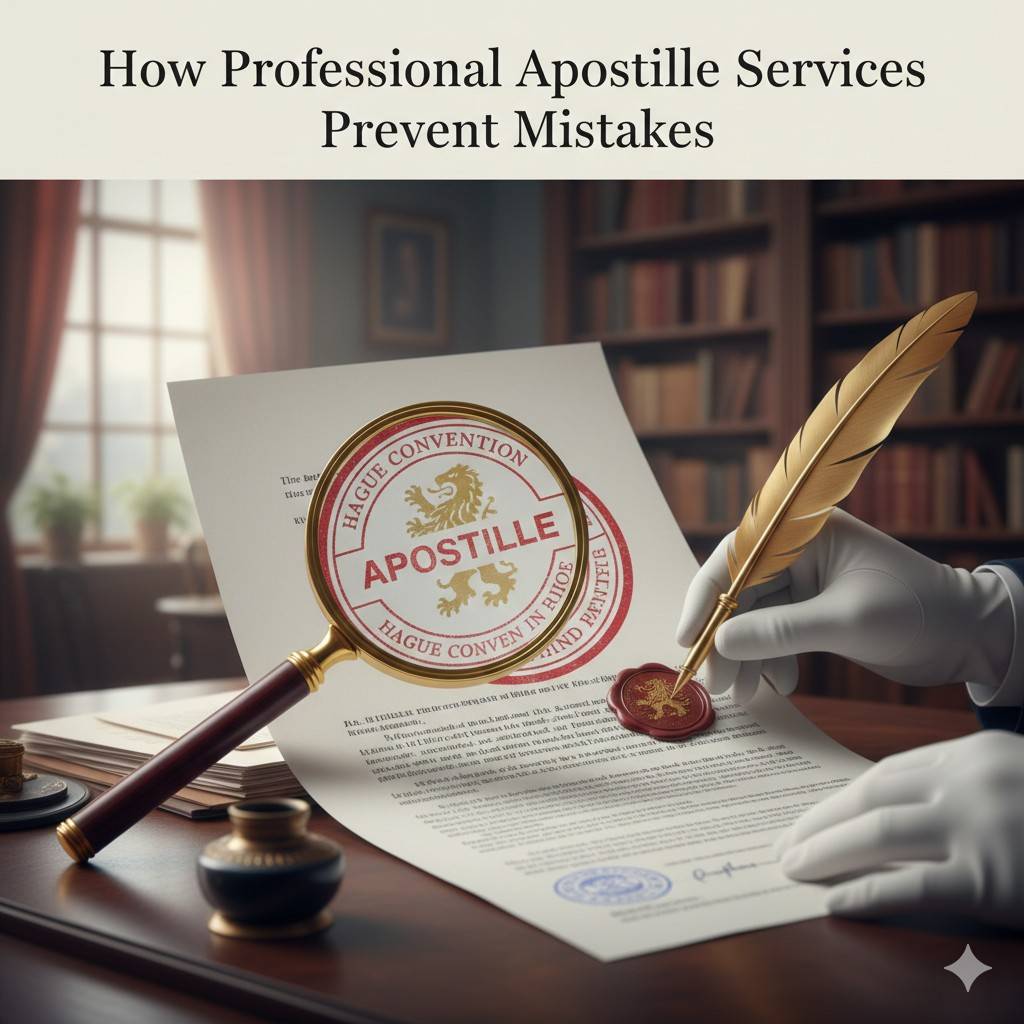
How Professional Apostille Services Prevent Mistakes
Professional apostille authentication services eliminate common errors through expertise and experience. We understand each state’s requirements, proper document preparation, correct agency jurisdiction, and destination country specifications.
Our team reviews documents before submission, identifying potential issues early. We ensure proper notarization, verify document authenticity, confirm correct certification, and route submissions to appropriate authorities.
For FBI background checks and federal documents, we manage the entire process including fingerprinting coordination, FBI submission, document retrieval, and Department of State authentication.
We maintain relationships with Secretary of State offices and understand current processing times. This allows accurate timeline estimates and appropriate service level selection based on your deadline requirements.
Translation coordination represents another valuable service component. We work with certified translators and manage the authentication sequence ensuring translations receive proper apostille certification.
State-Specific Considerations for Oregon Apostilles
Oregon’s Secretary of State processes most apostille requests through their Notary Public and Apostille division. Understanding Oregon-specific procedures helps prevent state-level mistakes.
Oregon accepts mail-in requests, walk-in service by appointment, and submissions through authorized apostille service providers. Each submission method follows different procedures and timelines.
Payment requirements include specific fees for standard and expedited processing. Oregon accepts various payment methods but maintains strict guidelines about acceptable formats and amounts.
The Secretary of State authenticates documents notarized by Oregon-commissioned notaries and vital records issued by Oregon agencies. Out-of-state documents cannot receive Oregon apostille certification.
For federal documents like FBI background checks, Oregon residents still must submit through the U.S. Department of State in Washington, D.C. These cannot receive state-level apostille authentication.
Conclusion
Avoiding common apostille mistakes requires understanding authentication requirements, proper document preparation, and careful attention to procedural details. The most frequent errors involve wrong agency submission, missing notarization, uncertified documents, destination country misunderstandings, translation issues, inadequate timelines, and incomplete applications.
Professional apostille services provide valuable expertise preventing costly mistakes and delays. At Apostille Authentications, we handle FBI background check apostilles and document authentication throughout Oregon and nationwide.
Our experienced team ensures proper document preparation, correct agency submission, and timely processing. We eliminate guesswork and frustration from the apostille process while protecting your international deadlines.
Whether you need apostille authentication for adoption, employment abroad, international business, or educational purposes, we’re here to help. Visit https://apostilleauthentications.com/ or contact us today to discuss your document authentication needs.
Understanding these common apostille mistakes empowers you to navigate the process successfully. With proper preparation and professional guidance, your documents will receive correct authentication for international acceptance.
Related guides: Your Ultimate Guide to Obtaining a Costa Rica Apostille from Oregon and Washington · Apostille Colombia Service | Apostille authentication