
Navigating international document requirements can be complex, especially when dealing with official paperwork that needs to be recognized across borders. Understanding apostilles – what they are, when you need them, and how to obtain them – is crucial for anyone dealing with international legal, business, or personal matters.
What Is an Apostille?
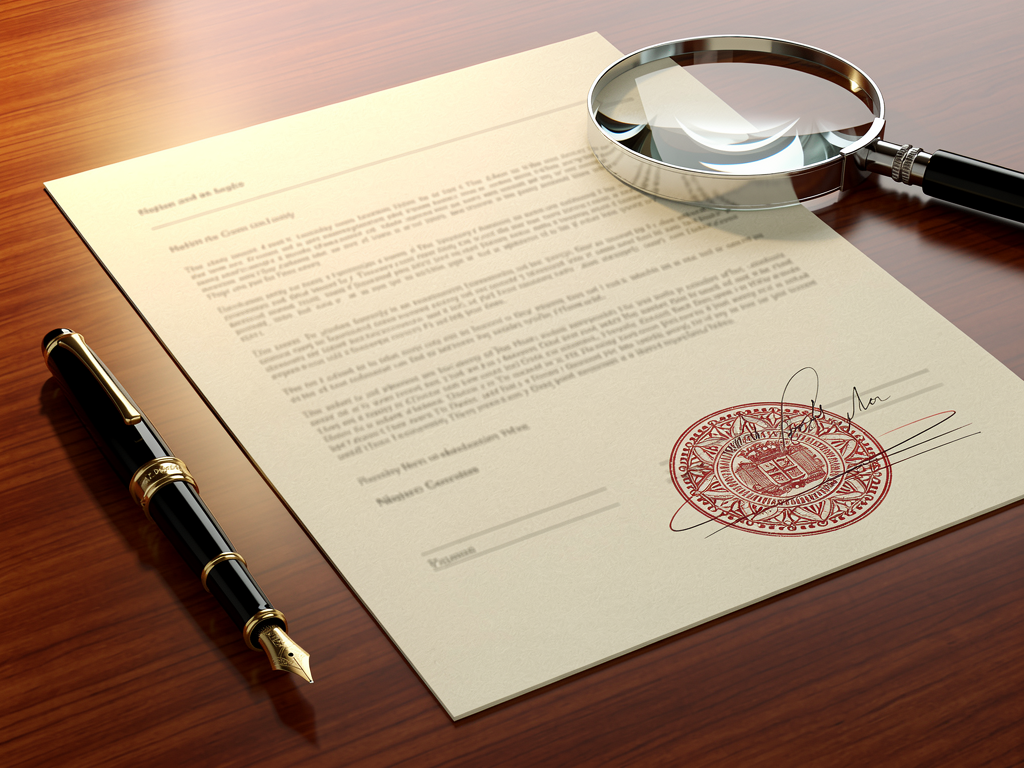
An apostille is a specialized certificate that authenticates the origin of a public document for use in another country. It’s essentially an international notarization that verifies the authenticity of signatures, seals, and stamps on official documents. The apostille certification was established by the Hague Convention of 1961 to simplify the process of document authentication between member countries.
Key Features of an Apostille
- A standardized certificate recognized by all member countries
- Contains a unique identifying number
- Validates the authenticity of the document’s origin
- Includes the signature and seal of the issuing authority
- Usually appears as an additional page or stamp on the original document
When Do You Need an Apostille?
Apostilles are required in numerous situations when documents need to be used officially in another country. Here are the most common scenarios:
Personal Documents
- Birth certificates – For immigration, dual citizenship, or marriage abroad
- Marriage certificates – For legal recognition of marriage in another country
- Death certificates – For inheritance claims or legal proceedings abroad
- Divorce decrees – For remarriage in another country or legal purposes
- Educational documents – For studying or working abroad
Business Documents
- Company registration documents – For establishing business presence abroad
- Power of attorney – For conducting business transactions in other countries
- Commercial contracts – For international business agreements
- Patent applications – For international intellectual property protection
- Corporate documents – For opening foreign subsidiaries or branches
The Apostille Process
Obtaining an apostille involves several steps and varies slightly depending on your location and the type of document. Here’s the general process:
- Document Preparation – Ensure your document is original or a certified copy
- Notarization – Some documents require notarization before apostille
- Submission – Apply to the appropriate authority (usually Secretary of State’s office)
- Processing – Wait for verification and apostille issuance
- Receipt – Collect or receive your apostilled document
Countries That Accept Apostilles
Not all countries participate in the Hague Apostille Convention. Currently, over 120 countries are members of the convention. When dealing with non-member countries, different authentication procedures may be required.
Major Participating Countries Include:
- United States and most European Union countries
- United Kingdom and Commonwealth nations
- Most South American countries
- Many Asian and African nations
- Australia and New Zealand
Common Misconceptions About Apostilles
Several misconceptions exist about apostilles that can cause confusion:
Important Clarifications
- An apostille is not a translation service
- Documents may still need to be translated separately
- Not all documents qualify for apostille certification
- Apostilles have no expiration date
- The process cannot be completed online (though you can start the application online)
Cost and Timeline Considerations
The cost and time required to obtain an apostille vary by jurisdiction and urgency:
Typical Costs Include:
- Basic apostille fee ($15-$50 per document)
- Notary fees if required ($5-$15 per signature)
- Expedited processing fees (optional)
- Shipping and handling charges
Processing Times:
- Standard processing: 5-10 business days
- Expedited service: 1-3 business days
- Same-day service: Available in some jurisdictions
Tips for Successful Apostille Applications
To ensure a smooth apostille process, consider these essential tips:
- Verify document requirements before submission
- Ensure all signatures are original
- Make copies of all documents before submission
- Allow sufficient processing time
- Use tracked shipping methods
Special Considerations and Challenges
Some situations require additional attention when obtaining apostilles:
Complex Scenarios:
- Documents from multiple countries
- Urgent or emergency situations
- Damaged or altered documents
- Historical or archived documents
- Electronic or digital documents
Conclusion
Understanding apostilles is crucial for anyone dealing with international document requirements. While the process may seem daunting, proper preparation and knowledge of the requirements can make it manageable. Remember to verify specific requirements for your destination country and allow adequate time for processing to ensure a smooth experience.
Related guides: Apostille Agreement: How to Legalize Contracts for International Use · Apostille Transcript: How to Legalize Academic Records for International Use