
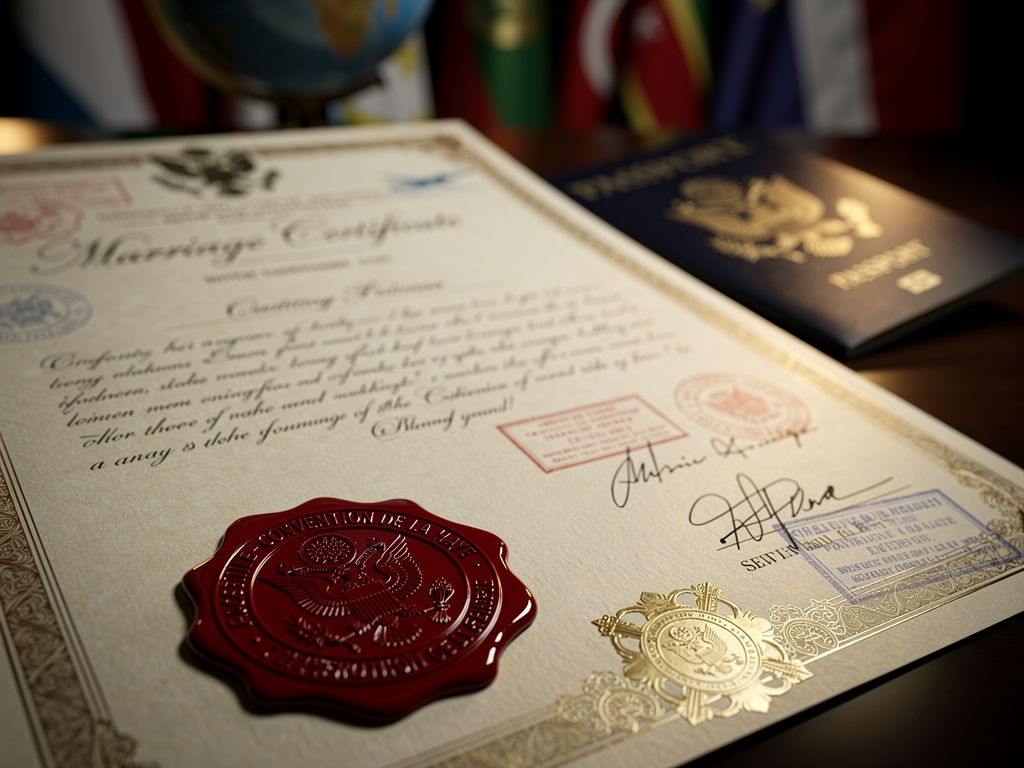
Getting your marriage certificate recognized internationally can feel like navigating a complex maze of bureaucratic requirements. Whether you’re planning to live abroad, claim spousal benefits in another country, or simply need your marriage legally recognized overseas, understanding the apostille process is crucial.
What is an Apostille Marriage Certificate?
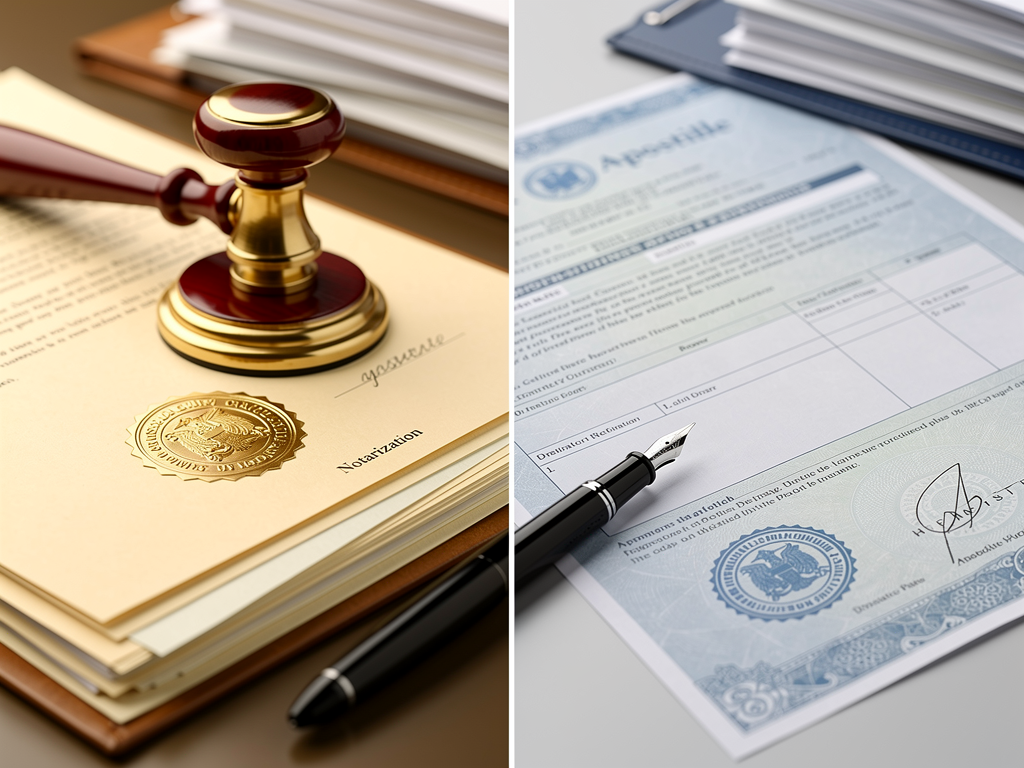
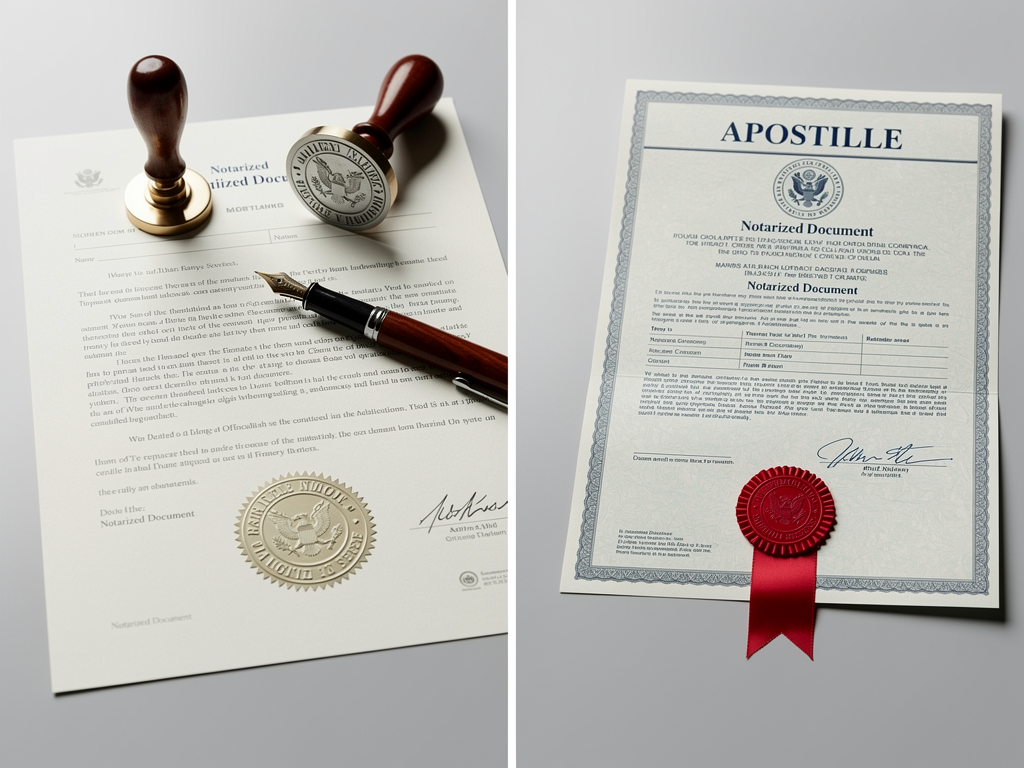
An apostille is a specialized certificate that authenticates the origin of a public document, such as a marriage certificate, for use in countries that participate in the Hague Convention of 1961. It’s essentially an international notarization that verifies your marriage certificate is legitimate and will be recognized in other member countries.
Why Do You Need an Apostille?
There are several common scenarios where you might need an apostilled marriage certificate:
- Relocating to another country
- Applying for dual citizenship
- Processing immigration documents
- Claiming inheritance rights abroad
- Opening joint bank accounts in foreign countries
- Purchasing property internationally as a married couple
The Apostille Process Explained
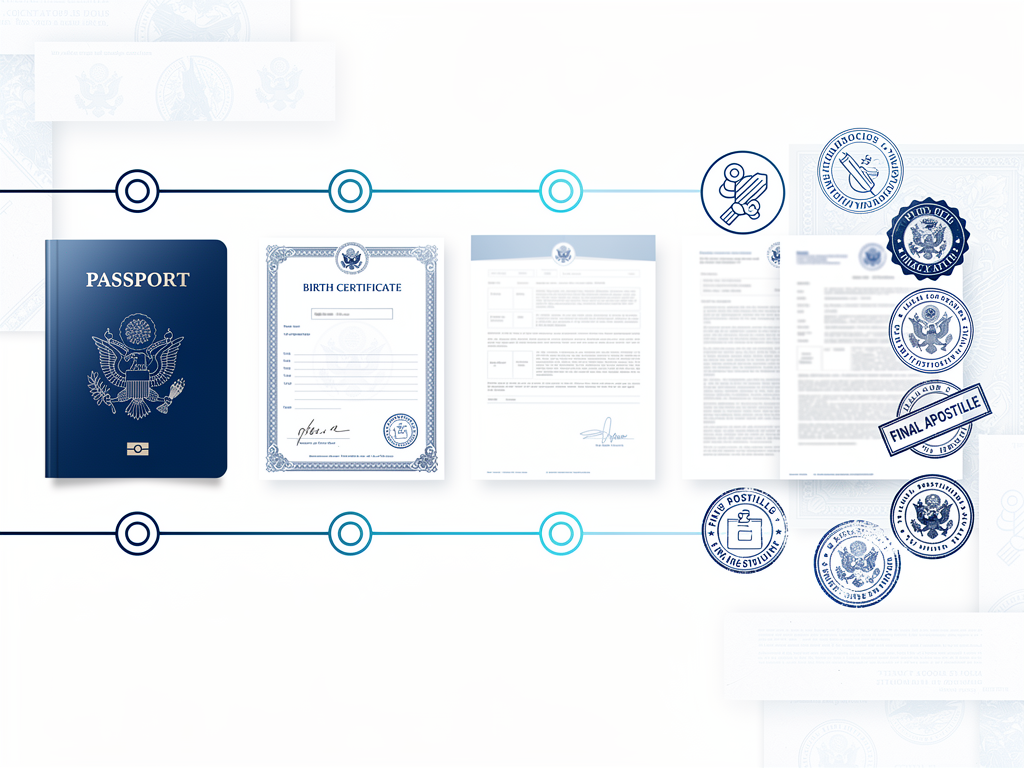
Obtaining an apostille for your marriage certificate involves several steps that must be followed precisely to ensure success.
Step 1: Obtain a Certified Copy of Your Marriage Certificate
Before you can get an apostille, you’ll need to obtain a certified copy of your marriage certificate from the vital records office in the state where you were married. Some countries may require that the certificate be issued within a specific timeframe, typically within the last six months.
Step 2: Verify Eligibility
Ensure that both your country and the destination country are members of the Hague Apostille Convention. If either country is not a member, you’ll need to follow a different authentication process called legalization.
Step 3: Submit for Apostille
Submit your certified marriage certificate to the appropriate authority in your state or country. In the United States, this is typically the Secretary of State’s office in the state where the marriage certificate was issued.
Common Challenges and Solutions
Understanding potential obstacles can help you navigate the process more smoothly.
Document Requirements
Different countries may have specific requirements regarding:
- Document age (how recent the certificate must be)
- Translation needs
- Additional supporting documentation
- Format of the marriage certificate
Processing Times
Processing times can vary significantly depending on your location and the current workload of the issuing authority. Typical timeframes include:
- Standard processing: 5-10 business days
- Expedited service: 1-3 business days (additional fees apply)
- Emergency service: Same-day (where available, at premium rates)
Important Considerations
Cost Factors
The total cost of obtaining an apostille marriage certificate can vary based on several factors:
- Certified copy fees ($10-$30)
- Apostille processing fees ($20-$50)
- Expedited processing fees (if needed)
- Translation services (if required)
- Courier or shipping fees
Translation Requirements
Many countries require that documents be translated into their official language. Key points about translation:
- Must be completed by a certified translator
- Translation must be notarized in many cases
- Both the original and translated documents may need apostilles
Special Circumstances
Same-Sex Marriages
For same-sex couples, additional considerations may apply when seeking international recognition of their marriage certificate. It’s essential to verify that the destination country recognizes same-sex marriages and what additional documentation might be required.
Name Changes
If you’ve changed your name after marriage, you may need to provide additional documentation to support the name change when applying for an apostille.
Tips for a Smooth Process
- Plan Ahead: Start the process at least 2-3 months before you need the apostilled document
- Double-Check Requirements: Verify specific requirements with both your local authority and the destination country
- Keep Copies: Make multiple copies of all documents before sending them for processing
- Track Applications: Use tracking services when sending documents through mail
- Seek Professional Help: Consider using an apostille service for complex cases
After Obtaining Your Apostille
Once you receive your apostilled marriage certificate:
- Make several copies for your records
- Store the original in a safe place
- Consider getting additional copies apostilled if you’ll need them for multiple purposes
- Keep digital scans of all documents
Final Considerations
Remember that an apostille is only valid in countries that are members of the Hague Convention. For non-member countries, you’ll need to follow their specific legalization procedures, which may involve additional steps through embassies or consulates.
While the process may seem daunting, understanding these requirements and following the proper procedures will ensure your marriage certificate is legally recognized internationally. Whether you’re planning to move abroad or simply need your marriage recognized in another country, proper preparation and attention to detail will help you navigate the apostille process successfully.