How to Prepare Documents for Apostille Certification: A Complete Guide for International Travel

blog feature 22

Preparing documents for international travel requires careful attention to detail, especially when an apostille certification is needed. This comprehensive guide will walk you through the entire process of getting your documents apostille-ready, helping you avoid common pitfalls and ensuring smooth international document acceptance.

Understanding the Apostille Certificate

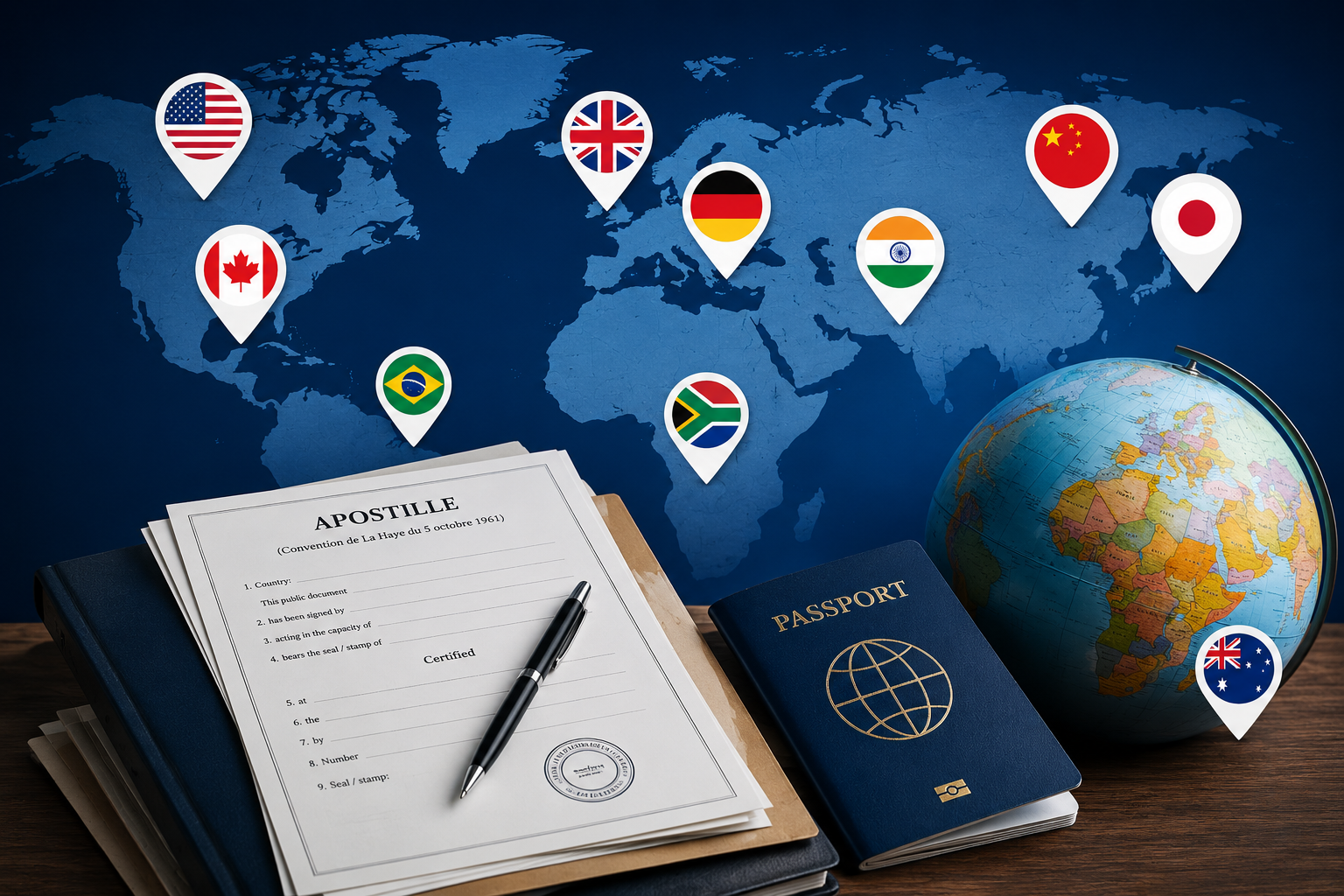
An apostille is a form of authentication issued to documents for use in countries that participate in the Hague Convention of 1961. It serves as a certification that a document’s signature, seal, or stamp is genuine and ensures your documents will be legally recognized in foreign countries.

Which Documents Typically Need an Apostille?

  • Birth certificates
  • Marriage certificates
  • Academic diplomas and transcripts
  • Criminal background checks
  • Corporate documents
  • Power of attorney forms
  • Adoption papers
  • Court documents

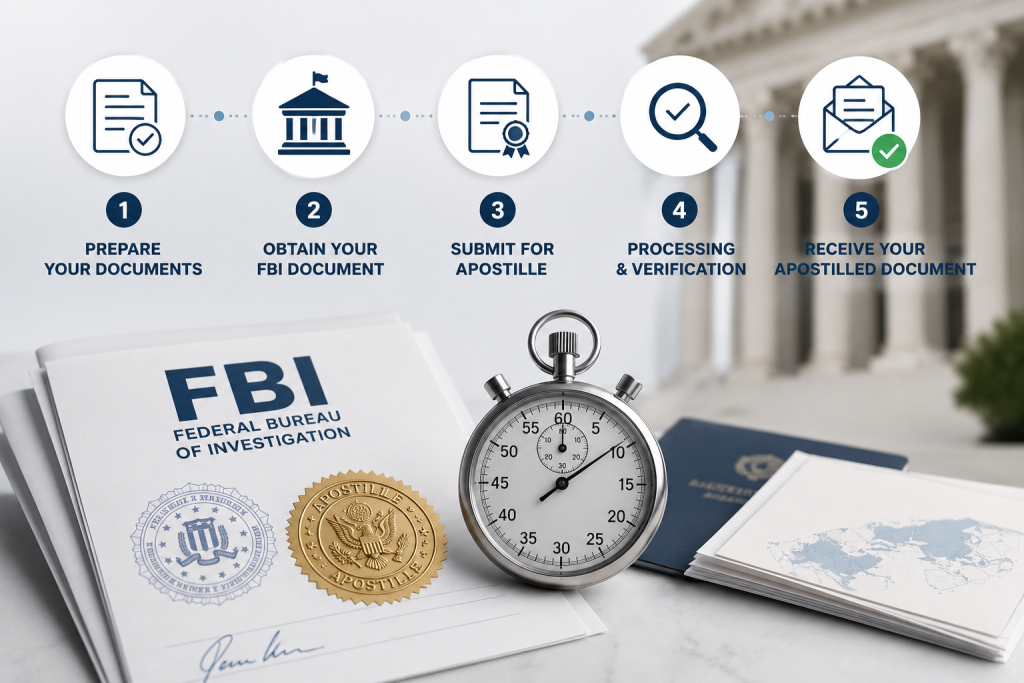
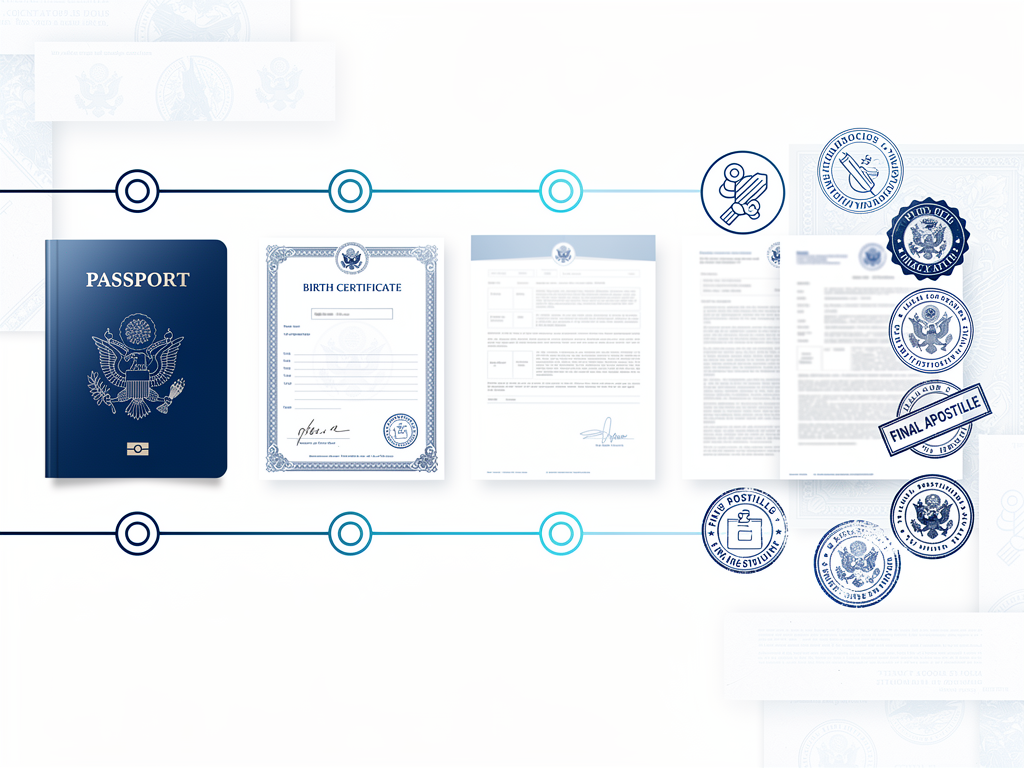
Step-by-Step Document Preparation Process

1. Obtain Original or Certified Copies

Before beginning the apostille process, ensure you have either the original document or a certified copy from the issuing authority. Photocopies or notarized copies of originals typically won’t be accepted for apostille certification.

Important: Documents must be issued or certified by a competent authority within the country where you’re seeking the apostille.

2. Verify Document Eligibility

Contact the Secretary of State’s office or appropriate authority in your jurisdiction to confirm that your document qualifies for an apostille. Some documents may require additional certification or notarization before they can receive an apostille.

Required Document Conditions

  • Documents must be clean and unmarked
  • Text must be clearly legible
  • Documents should be free from alterations or damages
  • All seals and signatures must be original
  • Documents in foreign languages may require certified translation

Pre-Apostille Authentication Steps

Notarization Requirements

Many documents require notarization before they can receive an apostille. Here’s what you need to know about the notarization process:

  • Locate a licensed notary public in your area
  • Bring valid government-issued photo identification
  • Sign the document in the presence of the notary
  • Ensure the notary’s commission is current and their seal is clear

County Clerk Certification

Some jurisdictions require county clerk certification before the Secretary of State will issue an apostille. This intermediate step verifies the notary’s authority and commission status.

Submitting Documents for Apostille

Required Materials

Prepare the following items for submission:

  • Original or certified document
  • Completed apostille request form
  • Payment for applicable fees
  • Self-addressed return envelope (if submitting by mail)
  • Cover letter explaining the request

Submission Methods

There are several ways to submit your documents for apostille certification:

  • In-person submission: Fastest option, usually same-day service
  • Mail submission: Processing typically takes 5-10 business days
  • Expedited service: Available for additional fees
  • Through an apostille service provider: Convenient but costlier option

Common Mistakes to Avoid

Don’t let these common errors delay your apostille process:

  • Submitting photocopies instead of originals or certified copies
  • Forgetting to notarize documents when required
  • Missing signatures or incomplete forms
  • Sending documents to the wrong authority
  • Not verifying if the destination country accepts apostilles

Special Considerations for Different Document Types

Educational Documents

Academic credentials often require specific handling:

  • Transcripts must usually come directly from the educational institution
  • Diplomas may need verification from the school registrar
  • Some countries require additional educational ministry authentication

Legal Documents

Court documents and legal papers have unique requirements:

  • Must bear original court seals
  • May need certification from the clerk of court
  • Some documents require attorney verification

Time and Cost Considerations

Processing Timeframes

Plan ahead and consider these typical processing times:

  • Standard processing: 5-10 business days
  • Expedited service: 1-3 business days
  • Same-day service: Available in some jurisdictions for in-person submissions
  • Emergency processing: May be available for additional fees

Associated Costs

Budget for these potential expenses:

  • Notary fees ($5-15 per signature)
  • County clerk certification ($5-20)
  • Apostille fee ($10-40 per document)
  • Expedited processing fees (varies by jurisdiction)
  • Translation services if required ($50-100 per page)

After Receiving Your Apostille

Once you receive your apostilled document:

  • Make several copies for your records
  • Store the original in a safe place
  • Verify all information is correct
  • Check the validity period if applicable

Final Tips for Success

Ensure a smooth apostille process by following these best practices:

  • Start the process at least 4-6 weeks before you need the documents
  • Double-check all requirements for your specific document type
  • Maintain clear communication with all involved authorities
  • Keep detailed records of all submissions and correspondence
  • Consider using a professional service for complex cases

By following these guidelines and preparing your documents carefully, you’ll be well-equipped to navigate the apostille certification process successfully. Remember that requirements can vary by jurisdiction and document type, so always verify specific requirements with your local authority.

10 Critical Apostille Mistakes That Can Delay Your Document Processing

blog feature 21

Document authentication through apostille certification is a crucial process for international legal matters. However, many people encounter frustrating delays and rejections due to preventable mistakes. Understanding these common errors can save you time, money, and significant headaches when seeking apostille services.

1. Submitting Unauthorized Document Copies

One of the most frequent mistakes is attempting to apostille photocopies instead of original documents or certified copies. Only certain documents qualify for apostille certification:

  • Original documents issued by competent authorities
  • Certified copies from the issuing authority
  • Notarized copies (where permitted by the destination country)

Always verify whether your destination country accepts notarized copies before proceeding with the apostille process. Some nations strictly require original documents or certified copies from the issuing authority.

2. Neglecting Document Age Requirements

Many people overlook that some countries have specific requirements regarding document age. For instance, some nations may require that documents be issued within a certain timeframe, typically within the last three to six months. This is particularly common with:

  • Criminal background checks
  • Birth certificates
  • Marriage certificates
  • Medical records

Always check the specific requirements of your destination country regarding document age restrictions before initiating the apostille process.

3. Incorrect Document Authentication Sequence

The authentication sequence is critical for successful apostille certification. Many documents require multiple steps before they can receive an apostille:

  1. Document creation or issuance
  2. Notarization (if required)
  3. State-level certification (for some documents)
  4. Apostille certification

Skipping or mixing up these steps can result in rejection and unnecessary delays. Always confirm the correct sequence for your specific document type and jurisdiction.

4. Failing to Verify Country Participation

Not all countries are members of the Hague Apostille Convention. A common mistake is assuming that an apostille will be accepted in any foreign country. Before starting the process, verify that:

  • Your destination country is a member of the Hague Convention
  • The specific document type is covered under the Convention
  • There are no special bilateral agreements between countries that may affect the process

5. Improper Document Translation

When documents require translation, several critical errors can occur:

  • Using non-certified translators
  • Translating documents after apostille certification
  • Not getting the translation notarized when required

Important note: Documents should typically be translated before the apostille process, and translations often need their own certification.

6. Missing Supporting Documentation

Many apostille applications are delayed because applicants fail to provide necessary supporting documents:

  • Government-issued identification
  • Application forms
  • Proof of authority (for business documents)
  • Payment documentation

Create a comprehensive checklist of required supporting documents before submitting your application.

7. Incorrect Notarization Practices

Notarization errors can invalidate the entire apostille process. Common notarization mistakes include:

  • Expired notary commissions
  • Missing notary seals or stamps
  • Incorrect notary certificates
  • Improper witness signatures

Always use a current, properly commissioned notary and ensure all notarial acts are complete and accurate.

8. Submitting to the Wrong Authority

Different documents require different apostille authorities. For example:

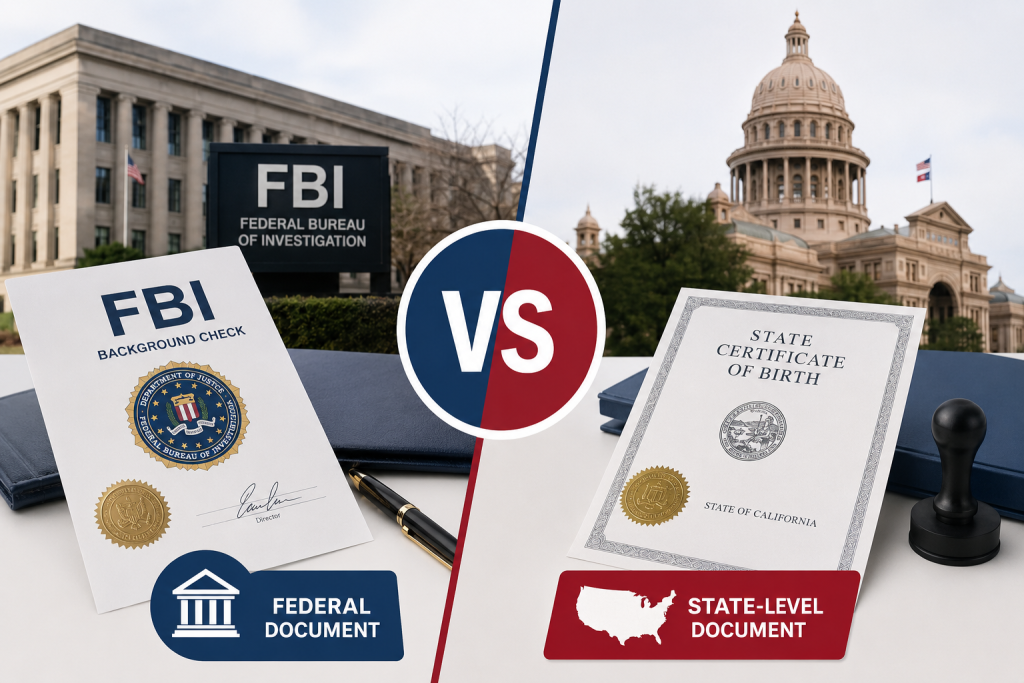
  • Federal documents typically go through the U.S. Department of State
  • State-issued documents usually require state secretary certification
  • Educational documents may need verification from specific educational authorities

Research the correct certifying authority for your specific document type to avoid unnecessary routing delays.

9. Poor Document Condition

Physical document condition can lead to rejection. Avoid these common issues:

  • Damaged or torn documents
  • Illegible text or signatures
  • Stained or marked documents
  • Documents with corrections or alterations

Ensure all documents are in pristine condition before submission. If necessary, obtain new copies of damaged documents.

10. Rushing the Process

Many mistakes occur when people try to expedite the process without proper planning. To avoid time-pressure errors:

  • Start the process well in advance of deadlines
  • Allow extra time for potential corrections
  • Consider processing times for all required steps
  • Account for shipping and delivery timeframes

Best Practices for Success

To ensure a smooth apostille process:

  • Research requirements thoroughly before beginning
  • Create a detailed checklist of needed documents and steps
  • Maintain clear communication with all involved parties
  • Keep copies of all submitted documents and correspondence
  • Consider working with an experienced apostille service provider

Final Considerations

Remember that apostille requirements can change, and different countries may have varying interpretations of the Hague Convention requirements. Regular verification of current requirements and careful attention to detail are essential for successful document authentication. When in doubt, consult with appropriate authorities or professional apostille services to ensure compliance with all requirements.

Document Authentication Costs: A Complete Price Breakdown and Guide for 2024

blog feature 20

Document authentication is a crucial process for validating important papers, but the costs can vary significantly depending on multiple factors. This comprehensive guide breaks down all the expenses involved in document authentication, helping you understand and budget for this essential service.

Standard Document Authentication Fees

The base cost for document authentication typically ranges from $20 to $150 per document. However, this is just the starting point, and several factors can influence the final price:

  • Government agency fees: $20-$50 per document
  • Notary public fees: $5-$15 per signature
  • State authentication: $10-$30 per document
  • Apostille services: $75-$150 per document

Additional Costs to Consider

Expedited Service Fees

If you need your documents authenticated quickly, expect to pay premium rates:

  • Same-day service: Additional $50-$100
  • Next-day service: Additional $25-$75
  • Rush processing: Additional $35-$60

Translation Costs

When documents require translation before authentication:

  • Standard translation: $0.15-$0.50 per word
  • Certified translation: $30-$50 per page
  • Technical document translation: $0.25-$0.75 per word

Authentication Costs by Document Type

Personal Documents

Common personal documents and their authentication costs:

  • Birth certificates: $25-$75
  • Marriage certificates: $30-$85
  • Academic transcripts: $40-$100
  • Diplomas: $45-$120
  • Death certificates: $25-$75

Business Documents

Business-related authentication expenses:

  • Corporate documents: $75-$200
  • Power of attorney: $50-$150
  • Commercial invoices: $35-$100
  • Business licenses: $45-$125

Geographic Price Variations

Authentication costs can vary significantly by location:

Major Metropolitan Areas

  • New York City: 20-30% above average
  • Los Angeles: 15-25% above average
  • Chicago: 10-20% above average
  • Miami: 15-25% above average

Rural Areas

  • Small cities: 10-20% below average
  • Rural locations: 15-30% below average

Professional Authentication Services

Using a professional service can add convenience but comes with additional costs:

  • Basic service package: $100-$250
  • Premium service package: $200-$500
  • Corporate bulk rates: $75-$150 per document

What’s Typically Included

Professional authentication services often include:

  • Document review and preparation
  • Notarization services
  • State department authentication
  • Embassy legalization (if required)
  • Shipping and handling

Hidden Costs to Watch For

Be aware of these potential additional expenses:

  • Document preparation fees: $15-$40
  • Courier services: $20-$100
  • International shipping: $50-$200
  • Additional copies: $10-$30 per copy
  • Administrative fees: $25-$75

Cost-Saving Tips

Consider these strategies to reduce authentication expenses:

  • Bulk Processing: Save 10-20% by authenticating multiple documents together
  • Advance Planning: Avoid rush fees by allowing sufficient processing time
  • Local Services: Use local authentication services to avoid shipping costs
  • Compare Providers: Get quotes from multiple authentication services
  • Government Direct: Work directly with government offices when possible

Payment Methods and Additional Fees

Different payment methods may incur varying fees:

  • Credit card processing: 2-4% surcharge
  • International payment fees: 1-3% additional
  • Wire transfer fees: $15-$50
  • Money order fees: $1-$5

Long-Term Value Considerations

When budgeting for document authentication, consider these long-term factors:

  • Document validity period
  • Multiple-use requirements
  • International recognition needs
  • Future authentication requirements

Final Cost Considerations

To accurately budget for document authentication, add up these components:

  1. Base authentication fee
  2. Service provider charges
  3. Expedited processing (if needed)
  4. Translation costs (if applicable)
  5. Shipping and handling
  6. Additional copies
  7. Administrative fees

Remember that investing in proper document authentication is crucial for ensuring your documents’ legal validity and international recognition. While costs can add up, cutting corners in this process may lead to more expensive problems in the future.

Notary vs. Apostille: Understanding Why Regular Notaries Can’t Issue Apostilles

blog feature 19

Many people assume that any notary public can handle all types of document authentication, including apostilles. However, this is a common misconception that can lead to delays and complications when dealing with international documents. Understanding the distinction between regular notary services and apostille certification is crucial for anyone needing documents validated for international use.

What is an Apostille and Why is it Different from Notarization?

An apostille is a specialized form of authentication issued under the Hague Convention of 1961. It’s a certificate that verifies the authenticity of documents for use in foreign countries that are members of the Hague Convention. Unlike regular notarization, which simply confirms the identity of a signer and witnesses signatures, an apostille validates the actual notary’s authority and signature.

Key Differences Between Notarization and Apostille

  • Notarization is a domestic certification process
  • Apostilles are specifically for international document verification
  • Regular notaries verify signatures and identities
  • Apostilles authenticate the notary’s authority itself

Why Regular Notaries Cannot Issue Apostilles

The short answer is no – regular notaries cannot issue apostilles. This limitation exists for several important legal and jurisdictional reasons:

Legal Authority Restrictions

Regular notaries are commissioned by their state to perform specific duties within that state’s jurisdiction. The authority to issue apostilles is reserved exclusively for designated state officials, typically the Secretary of State’s office or similar state-level department.

International Treaty Requirements

The Hague Convention specifically designates which authorities can issue apostilles. These are called ‘Competent Authorities’ and are typically high-level government offices, not individual notaries.

The Correct Process for Obtaining an Apostille

While a regular notary can’t issue an apostille directly, they still play an important role in the apostille process. Here’s the typical sequence:

  1. Get your document notarized by a regular notary public
  2. Submit the notarized document to your state’s designated authority
  3. The state authority reviews and issues the apostille
  4. Receive your completed apostille certificate

Common Documents Requiring Apostilles

Understanding which documents typically need apostilles can help you prepare better. Common documents include:

  • Birth certificates
  • Marriage certificates
  • Academic diplomas and transcripts
  • Corporate documents
  • Power of attorney forms
  • Adoption papers
  • Background checks

The Role of Notaries in the Apostille Process

While notaries can’t issue apostilles, they serve a crucial function in the process. Their role includes:

Document Preparation

Notaries verify the identity of signers and witness signatures on documents that will later receive an apostille. This initial authentication is a necessary step before obtaining an apostille.

Advisory Services

Many experienced notaries can guide clients about the apostille process and direct them to the appropriate state authorities, even though they can’t perform the service themselves.

State-Specific Requirements and Variations

Each state has its own procedures and requirements for obtaining apostilles. Some key variations include:

  • Different processing times
  • Varying fee structures
  • Specific document requirements
  • Different submission methods (mail, in-person, online)

Common Mistakes to Avoid in the Apostille Process

Understanding what not to do is just as important as knowing the correct procedures. Here are some common pitfalls to avoid:

  • Assuming any notary can issue an apostille
  • Sending documents directly to foreign countries without proper authentication
  • Waiting until the last minute to start the process
  • Not checking if the destination country is a member of the Hague Convention

Alternative Authentication Methods

For countries not part of the Hague Convention, different authentication processes may be required:

Chain Authentication

This multi-step process involves authentication by various authorities, including:

  • County clerk certification
  • State authentication
  • U.S. Department of State certification
  • Foreign embassy or consulate legalization

Time and Cost Considerations

When planning for document authentication, consider these factors:

Processing Times

  • Regular notarization: Usually same-day service
  • State apostille processing: 2-15 business days
  • Expedited services: Additional fees for faster processing

Associated Costs

  • Notary fees: Generally $5-15 per signature
  • State apostille fees: Typically $10-40 per document
  • Expedited processing fees: Can range from $50-200

Conclusion

While regular notaries play an essential role in document authentication, they cannot issue apostilles themselves. Understanding this limitation and knowing the correct process for obtaining an apostille is crucial for anyone dealing with international documents. By following the proper channels and working with appropriate authorities, you can ensure your documents receive the necessary authentication for international use.

Complete Guide to Getting Documents Apostilled: Requirements, Process & Timeline

blog feature 18

Getting your documents apostilled might seem overwhelming at first, but understanding the process can make it straightforward and hassle-free. This comprehensive guide walks you through everything you need to know about obtaining an apostille for your important documents.

What is an Apostille and Why Do You Need It?

An apostille is a certificate that authenticates the origin of a public document for use in countries that participate in the Hague Apostille Convention. It’s essentially an international certification that verifies the authenticity of documents for use abroad.

Common Documents That Require Apostilles

  • Birth certificates
  • Marriage certificates
  • Death certificates
  • Academic diplomas and transcripts
  • Corporate documents
  • Power of attorney forms
  • Court documents
  • Background checks

Step-by-Step Process to Get Your Documents Apostilled

Step 1: Obtain Original or Certified Copies

Before beginning the apostille process, ensure you have either the original document or a certified copy from the issuing authority. Photocopies or notarized copies of original documents typically won’t be accepted for apostille.

Step 2: Verify Document Eligibility

Confirm that both your country and the destination country are members of the Hague Apostille Convention. If either country isn’t a member, you’ll need to follow a different authentication process called legalization.

Step 3: Document Authentication

Depending on the document type, you may need to have it authenticated by specific authorities before requesting an apostille:

  • Educational documents: Must be notarized or certified by the institution
  • Legal documents: May require court certification
  • Government documents: Often need certification from the issuing agency

Where to Get Documents Apostilled

Government Offices

In the United States, apostilles are typically issued by:

  • Secretary of State’s office (for state-issued documents)
  • U.S. Department of State (for federal documents)
  • State Authentication offices

Private Services

You can also use authorized apostille services that can handle the process on your behalf. While these services charge additional fees, they can save time and ensure proper processing.

Required Documentation and Fees

To obtain an apostille, you’ll typically need:

  • The original or certified copy of your document
  • A completed apostille request form
  • Government-issued ID
  • Payment for required fees
  • Self-addressed envelope (if requesting by mail)

Cost Considerations

Fees vary by location and document type, but typically include:

  • Basic apostille fee: $10-40 per document
  • Expedited processing fees (optional): $50-100
  • Authentication service fees (if using): $75-300
  • Shipping and handling costs

Processing Times and Expedited Services

Standard Processing

Regular processing times typically range from:

  • In-person: Same day to 2-3 business days
  • Mail-in requests: 5-15 business days
  • During peak seasons: Up to 20 business days

Expedited Processing

Most offices offer expedited services for an additional fee, which can reduce processing time to:

  • Same-day service (in-person)
  • 2-3 business days (mail-in)

Common Mistakes to Avoid

Prevent delays by avoiding these frequent errors:

  • Submitting incomplete or incorrect forms
  • Using photocopies instead of originals or certified copies
  • Failing to notarize documents when required
  • Sending documents to the wrong authority
  • Not including proper payment
  • Forgetting to include return shipping materials

Special Considerations for Different Document Types

Academic Documents

For educational documents, you may need to:

  • Obtain certification from the academic institution
  • Get verification from the state education department
  • Have transcripts sealed and certified

Legal Documents

Court documents and legal papers often require:

  • Original court seals
  • Judge or clerk certification
  • Additional notarization

International Use and Recognition

Once your document is apostilled, keep in mind:

  • The apostille is recognized in all Hague Convention countries
  • No additional authentication is typically needed
  • Some countries may require certified translations
  • Apostilles don’t expire, but underlying documents might

Tips for a Smooth Apostille Process

Follow these recommendations for best results:

  • Start early – allow extra time for unexpected delays
  • Double-check all requirements before submission
  • Keep copies of all documents and correspondence
  • Track your shipments if sending by mail
  • Consider using a professional service for complex cases
  • Verify document requirements with the receiving country

Remember that while the apostille process may seem complex, careful preparation and attention to detail will help ensure successful document authentication. Whether you choose to handle the process yourself or work with a professional service, understanding these steps and requirements will help you avoid common pitfalls and delays.

Apostille vs Notary: Understanding the Key Differences in Document Authentication

blog feature 17

Document authentication can be confusing, especially when dealing with international paperwork. Two terms that often cause confusion are apostille and notary services. While both serve to verify documents, they have distinct purposes, processes, and levels of authority.

What is a Notary Public?

A notary public is a state-appointed official who acts as an impartial witness in various important transactions. Their primary role is to verify the identity of signers and ensure that signatures are willingly made without coercion or fraud.

Key Functions of a Notary Public

  • Verifying the identity of document signers
  • Witnessing signatures on legal documents
  • Administering oaths and affirmations
  • Taking acknowledgments
  • Certifying copies of certain documents
  • Preventing fraud by ensuring signers are acting willingly

Notaries serve as the first line of defense against fraud in many legal and financial transactions. Their services are commonly required for real estate deeds, affidavits, wills, and various contracts.

What is an Apostille?

An apostille is a form of authentication issued to documents for use in countries that participate in the Hague Convention of 1961. It’s essentially a certificate that verifies the authenticity of a document for international use.

Why Apostilles Are Needed

When documents need to be used in a foreign country, an apostille ensures they will be recognized as legitimate. This international certification proves that the document’s signature, seal, or stamp is genuine and comes from a competent authority.

Common documents requiring apostilles include:

  • Birth certificates
  • Marriage certificates
  • Death certificates
  • Court documents
  • Educational diplomas and transcripts
  • Corporate documents
  • Power of attorney forms

Key Differences Between Apostille and Notary Services

1. Level of Authentication

A notarization is typically the first step in document authentication. An apostille is a higher level of authentication that often follows notarization. In many cases, a document must be notarized before it can receive an apostille.

2. Geographic Scope

Notary services are primarily recognized within the issuing state or country. Apostilles, however, are recognized internationally among all countries that are members of the Hague Convention.

3. Issuing Authority

Notaries are appointed by state governments and operate at a local level. Apostilles are issued by designated government authorities, usually the Secretary of State’s office or equivalent government department.

4. Purpose

Notarization verifies the identity of signers and witnesses signatures. Apostilles authenticate the seals and signatures of officials on public documents for use abroad.

When Do You Need Each Service?

When to Use a Notary

  • Signing real estate documents
  • Creating or modifying wills
  • Executing power of attorney
  • Completing affidavits
  • Authenticating signatures on domestic legal documents

When to Use an Apostille

  • Conducting international business
  • Getting married in another country
  • Adopting from abroad
  • Studying at foreign universities
  • Working overseas

The Process: From Notarization to Apostille

Step 1: Document Preparation

Ensure your document is complete and properly formatted according to both local and international requirements.

Step 2: Notarization

Have the document notarized by a local notary public. This step is often required before obtaining an apostille.

Step 3: Apostille Application

Submit the notarized document to the appropriate authority (usually the Secretary of State) for apostille certification.

Common Misconceptions

Several misconceptions exist regarding apostilles and notarizations:

  • Misconception 1: A notarized document is automatically valid internationally
  • Misconception 2: All countries accept apostilles
  • Misconception 3: Notaries can issue apostilles
  • Misconception 4: Apostilles and authentications are the same thing

Cost Considerations

Understanding the costs involved in both processes is important for planning purposes:

Notary Fees

Notary fees are generally regulated by state law and typically range from $5 to $15 per signature or act. Some states allow additional fees for travel or preparation of documents.

Apostille Fees

Apostille fees vary by state and country but typically range from $10 to $50 per document. Additional fees may apply for expedited service or multiple documents.

Tips for Smooth Document Authentication

  • Research requirements for your specific situation and destination country
  • Allow sufficient time for processing
  • Ensure documents are in the correct format
  • Keep copies of all original documents
  • Verify that your destination country is a member of the Hague Convention
  • Consider using professional document authentication services for complex cases

Understanding the differences between apostilles and notary services is crucial for proper document authentication. While notarization serves domestic purposes, apostilles provide international recognition of documents among Hague Convention member countries. Knowing when to use each service can save time, money, and prevent potential legal complications in both domestic and international affairs.

Understanding Apostilles: Your Complete Guide to Document Authentication for International Use

blog feature 16

When dealing with important documents for international use, you may encounter the term ‘apostille’ – a critical certification that can make or break your international plans. Whether you’re planning to study abroad, get married in another country, or conduct international business, understanding apostilles is essential for navigating global bureaucracy.

What Is an Apostille?

An apostille is a specialized certificate that authenticates the origin of a public document for international use. It’s essentially a form of authentication recognized by countries that are members of the Hague Apostille Convention of 1961. This certification verifies the authenticity of the signature, seal, or stamp on a public document, making it valid for use in any other country that is part of the Convention.

The Legal Framework Behind Apostilles

The Hague Apostille Convention was established to simplify the process of document verification between participating countries. Before this convention, documents required a complex chain of certifications known as ‘legalization’ to be recognized internationally. The apostille process streamlined this into a single certification step.

When Is an Apostille Required?

Apostilles are typically required for official documents that need to be used in another country. Here are common scenarios where you might need an apostille:

  • Educational Purposes: Diplomas, transcripts, and degree certificates for studying abroad
  • Legal Matters: Birth certificates, marriage certificates, and death certificates
  • Business Transactions: Company registration documents, power of attorney, and commercial certificates
  • Immigration: Background checks and other official documents for visa applications
  • Professional Licensing: Professional certifications and licenses for working abroad

Documents That Can Be Apostilled

Not all documents qualify for an apostille. Here are the main categories of documents that can receive an apostille certification:

Administrative Documents

  • Birth, death, and marriage certificates
  • Divorce decrees
  • Police clearance certificates
  • Government-issued identification

Educational Documents

  • Diplomas and degrees
  • Academic transcripts
  • Educational certificates
  • Letters of recommendation from educational institutions

Legal Documents

  • Court documents
  • Power of attorney
  • Affidavits
  • Incorporation documents

The Apostille Process

Obtaining an apostille involves several steps that must be followed carefully:

  1. Document Preparation: Ensure your document is original or a certified copy from the issuing authority
  2. Verification: The document must be verified by the appropriate authority in your country
  3. Submission: Present the document to the designated apostille-issuing authority
  4. Processing: The authority reviews and issues the apostille certificate
  5. Completion: The apostille is attached to your original document

Common Challenges and Solutions

Time Constraints

The apostille process can take anywhere from a few days to several weeks. Plan ahead and consider expedited services if available in your jurisdiction. Some countries offer same-day or emergency services for an additional fee.

Document Requirements

Different countries may have varying requirements for document preparation before apostille. Some might require notarization or other preliminary certifications. Always check the specific requirements for both the issuing and receiving countries.

Important Considerations

Cost Factors

The cost of obtaining an apostille varies by country and document type. Additional fees may apply for:

  • Express processing
  • Preliminary certifications
  • Translation services
  • Courier or mailing fees

Validity Period

An apostille itself doesn’t expire, but the underlying document might have an expiration date. Always verify the validity requirements for your specific situation and destination country.

Alternative Authentication Methods

For countries not party to the Hague Convention, different authentication procedures may be required:

  • Consular Authentication: Document verification through embassy or consulate offices
  • Chain Authentication: Multiple-step verification process through various government offices
  • Bilateral Agreements: Special arrangements between specific countries

Digital Apostilles

With technological advancement, some countries have begun implementing e-Apostilles. These electronic certifications offer several advantages:

  • Faster processing times
  • Enhanced security features
  • Easier verification process
  • Reduced risk of fraud

Practical Tips for Success

To ensure a smooth apostille process, consider these recommendations:

  • Start the process well in advance of when you need the document
  • Keep original documents and copies in pristine condition
  • Research country-specific requirements thoroughly
  • Consider using professional apostille services for complex cases
  • Maintain clear communication with all involved parties

Conclusion

Understanding apostilles is crucial for anyone dealing with international document requirements. While the process may seem complex, knowing when and how to obtain an apostille can save considerable time and prevent potential complications in your international endeavors. Whether for personal, educational, or professional purposes, proper document authentication through apostille ensures your documents will be recognized and accepted across borders.

Apostille Service Costs: A Complete Guide to Authentication Fees and Expenses in 2024

blog feature 15

Understanding the costs associated with apostille services is crucial for anyone needing to authenticate documents for international use. While the process is necessary for various purposes, from international business to education abroad, the expenses can vary significantly depending on several factors.

Basic Apostille Service Fees

The fundamental costs of apostille services can be broken down into several categories:

  • State-Level Authentication: $10-40 per document (varies by state)
  • Federal-Level Authentication: $20-50 per document
  • U.S. Department of State Authentication: $20 per document
  • Embassy or Consulate Fees: $30-150 per document (varies by country)

Additional Service Charges

Beyond the basic authentication fees, several other costs may apply:

Processing Speed Options

  • Standard Processing: $50-100 (5-7 business days)
  • Rush Processing: $150-200 (2-3 business days)
  • Same-Day Processing: $200-300 (where available)

Document Preparation Services

Some documents may require additional preparation before they can be apostilled:

  • Notarization: $10-30 per signature
  • Document Translation: $30-100 per page
  • Certified Copies: $15-40 per document

Geographic Location Impact on Costs

The location where you obtain apostille services significantly affects the total cost:

Major Metropolitan Areas

Cities like New York, Los Angeles, and Washington D.C. typically charge higher rates due to:

  • Higher operational costs
  • Greater demand for services
  • Faster processing capabilities
  • More specialized service options

Rural Areas and Smaller Cities

These locations often offer more competitive rates but may have:

  • Limited service options
  • Longer processing times
  • Fewer expedited services available

Shipping and Handling Fees

Document transportation costs can add significantly to the total expense:

  • Domestic Shipping: $15-50 (depending on speed and service)
  • International Shipping: $40-100
  • Tracking and Insurance: $10-30 additional
  • Return Shipping: Similar rates apply for document return

Agency vs. Direct Application Costs

Using an Apostille Agency

While agencies charge additional fees, they often provide value through:

  • Document review and verification
  • Error prevention
  • Time savings
  • Complex case handling

Agency fees typically range from $75-200 per document, plus the standard government fees.

Direct Application

Applying directly to government offices saves agency fees but requires:

  • More personal time investment
  • Understanding of procedures
  • Multiple office visits
  • Longer processing times

Hidden Costs to Consider

Several often-overlooked expenses can impact the total cost:

  • Document Authentication: Some countries require authentication before apostille
  • Multiple Copies: Some situations require multiple authenticated copies
  • Travel Expenses: If in-person visits are required
  • Correction Fees: If documents need modification

Cost-Saving Strategies

Bulk Processing

Many services offer discounts for multiple documents:

  • 10% off for 5+ documents
  • 15-20% off for 10+ documents
  • Custom pricing for large volumes

Timing Considerations

Strategic timing can reduce costs:

  • Avoid rush fees by planning ahead
  • Bundle multiple documents together
  • Choose off-peak seasons

Payment Methods and Additional Fees

Be aware of payment-related costs:

  • Credit Card Processing Fees: 2-4% of total
  • Wire Transfer Fees: $25-50
  • International Payment Fees: Variable exchange rates and bank fees

Long-Term Cost Implications

Consider the following factors for ongoing authentication needs:

Document Validity Period

  • Some apostilles require renewal
  • Certain countries have specific validity periods
  • Multiple authentications may be needed over time

Maintenance Costs

  • Document storage and protection
  • Regular updates or renewals
  • Tracking and management systems

Conclusion and Budget Planning

When budgeting for apostille services, plan for:

  • Base authentication fees
  • Processing speed requirements
  • Additional service needs
  • Shipping and handling
  • Potential hidden costs

By understanding these various cost components and planning accordingly, you can better manage the expenses associated with document authentication while ensuring your documents meet all necessary requirements for international use.

How to Find Reliable Apostille Service Reviews: A Complete Guide for Document Authentication

blog feature 14

Getting your documents authenticated through apostille services is a critical process that requires trust and reliability. Whether you need documents for international business, education, or personal matters, finding reputable apostille service providers through authentic reviews can save you time, money, and potential headaches.

Official Government Resources and Directories

The most authoritative sources for apostille service information begin with government entities themselves. These platforms offer verified listings and essential information about authorized providers:

  • U.S. Department of State’s Bureau of Consular Affairs website
  • State Secretary of State offices’ official directories
  • National Notary Association’s professional database
  • American Society of Notaries’ member listings

Online Review Platforms and Business Directories

Several established review platforms provide detailed feedback from previous customers about apostille services:

General Business Review Sites

  • Google Business Reviews: Often the most current and numerous reviews for local apostille services
  • Yelp: Detailed customer experiences and photos of service locations
  • Better Business Bureau (BBB): Accreditation status and complaint history
  • Trustpilot: International service provider reviews and ratings

Industry-Specific Platforms

Specialized directories and forums dedicated to legal services and document authentication offer more targeted reviews:

  • Legal Service Review Directories
  • International Business Forums
  • Expat Community Websites
  • Professional Translation Service Platforms

Social Media Channels and Professional Networks

Social platforms provide real-time feedback and community discussions about apostille services:

LinkedIn

Professional networks often feature:

  • Company profiles with recommendations
  • Professional endorsements
  • Industry expert insights
  • Service provider activity and engagement

Facebook Groups and Pages

Look for:

  • Expat community discussions
  • International business groups
  • Legal service communities
  • Local area recommendation groups

Forums and Discussion Boards

Online communities often share detailed experiences and recommendations:

  • Reddit: Subreddits dedicated to legal services, immigration, and international business
  • Quora: Detailed answers from service providers and customers
  • Expat Forums: First-hand experiences from people who’ve used apostille services
  • Legal Forums: Professional insights and recommendations

How to Evaluate Apostille Service Reviews

Key Factors to Consider

When reading reviews, focus on these critical aspects:

  • Processing Time: How quickly documents were authenticated
  • Communication: Responsiveness and clarity of service providers
  • Accuracy: Success rate in document processing
  • Cost Transparency: Clear pricing and absence of hidden fees
  • Customer Service: Quality of support throughout the process

Red Flags in Reviews

Watch out for these warning signs:

  • Unusually low prices compared to market standards
  • Promises of impossible turnaround times
  • Multiple complaints about document rejection
  • Poor communication patterns
  • Lack of physical business address

Industry Associations and Professional Organizations

Check for memberships and certifications in:

  • National Notary Association
  • American Society of Notaries
  • State-specific notary organizations
  • International certification bodies

Local Chamber of Commerce and Business Associations

These organizations often maintain:

  • Member directories with ratings
  • Business integrity reports
  • Local service provider recommendations
  • Community feedback records

Best Practices for Using Review Information

Cross-Reference Multiple Sources

To get the most accurate picture:

  • Compare reviews across different platforms
  • Look for consistent patterns in feedback
  • Consider both positive and negative reviews
  • Verify credentials with official sources

Recent vs. Historical Reviews

Consider the timing of reviews:

  • Focus on reviews from the past 12 months
  • Look for consistency in service quality over time
  • Note any recent changes in management or policies
  • Check for responses to negative reviews

Making Your Final Decision

After gathering review information:

  • Create a shortlist of top-rated providers
  • Contact multiple services for quotes
  • Ask specific questions about your document needs
  • Compare turnaround times and prices
  • Request references if necessary

Remember that while reviews are valuable tools for evaluation, they should be part of a comprehensive assessment process. Consider your specific needs, timeline, and budget when making your final decision on an apostille service provider.

Document Legalization Services: A Complete Guide to Authentication Solutions

blog feature 13

Document legalization is a critical process for anyone needing to use official documents across international borders. Whether you’re relocating abroad, pursuing international business opportunities, or handling overseas educational matters, understanding where to find reliable legalization services is essential for ensuring your documents are legally recognized worldwide.

Government Agencies and Embassies

The most authoritative sources for document legalization services are government institutions and diplomatic missions.

Department of State Authentication Office

For U.S. documents, the U.S. Department of State’s Office of Authentications is the primary authority for document legalization. They provide authentication services for various documents that will be used overseas, including:

  • Corporate documents
  • Academic records
  • Power of attorney documents
  • Commercial documents
  • Personal records

Foreign Embassies and Consulates

Foreign diplomatic missions in your country are essential resources for document legalization. They typically provide:

  • Document verification services
  • Apostille certification
  • Consular legalization
  • Translation verification

Professional Legalization Services

Professional service providers offer comprehensive document legalization solutions, often with added convenience and expertise.

Specialized Authentication Companies

These companies focus exclusively on document legalization and typically offer:

  • End-to-end handling of the legalization process
  • Document preparation and review
  • Coordination with multiple authorities
  • Tracking and status updates
  • Express processing options

Legal Service Providers

Many law firms and legal service companies include document legalization in their service offerings. They can provide:

  • Legal consultation on document requirements
  • Document preparation assistance
  • Notarization services
  • Authentication coordination

Chamber of Commerce Services

Local and international Chambers of Commerce often provide document legalization services, particularly for business-related documents. They typically offer:

  • Certificate of Origin authentication
  • Commercial document legalization
  • Export documentation services
  • Trade-related document certification

Translation and Notary Services

Certified Translation Agencies

Many translation agencies provide complementary legalization services, including:

  • Certified document translation
  • Notarization of translations
  • Authentication coordination
  • Multi-language support

Notary Public Offices

While notaries can’t complete the entire legalization process, they are often the first step. They provide:

  • Document notarization
  • Signature verification
  • Certified copies
  • Witnessing services

Online Legalization Services

Digital platforms have emerged to simplify the document legalization process. These services typically offer:

  • Online document submission
  • Digital tracking systems
  • Virtual consultations
  • Electronic status updates
  • Document delivery services

Educational Institution Services

Many educational institutions provide legalization services for academic documents, including:

  • Transcript authentication
  • Diploma verification
  • Academic record certification
  • Educational document preparation

Choosing the Right Service Provider

Key Considerations

When selecting a document legalization service, consider the following factors:

  • Experience and Expertise: Look for providers with extensive experience in document legalization
  • Processing Time: Verify typical turnaround times and express options
  • Cost Structure: Compare fees and additional charges
  • Service Coverage: Ensure they can handle your specific document types
  • Customer Support: Evaluate their communication and assistance quality

Tips for Successful Document Legalization

Preparation Guidelines

To ensure smooth processing of your documents:

  • Verify all documents are original or properly certified copies
  • Check specific requirements for your target country
  • Allow sufficient processing time
  • Maintain clear communication with your service provider
  • Keep copies of all submitted documents

Common Mistakes to Avoid

Be aware of these frequent pitfalls in document legalization:

  • Using uncertified translations
  • Skipping necessary authentication steps
  • Submitting incomplete documentation
  • Choosing unaccredited service providers
  • Underestimating processing times

Final Considerations

Document legalization can be complex, but working with the right service provider simplifies the process significantly. Whether you choose a government agency, professional service, or online platform, ensure they meet your specific needs and timeline requirements. Remember to verify all requirements for your target country and maintain clear communication throughout the process.

By understanding your options and choosing the appropriate service provider, you can navigate document legalization efficiently and ensure your documents will be legally recognized in their intended destination.