
Apostille Documents: Your Complete Guide to International Document Authentication

blog feature 6

Navigating international document requirements can be complex, especially when dealing with official paperwork that needs to be recognized across borders. Understanding apostilles – what they are, when you need them, and how to obtain them – is crucial for anyone dealing with international legal, business, or personal matters.

What Is an Apostille?

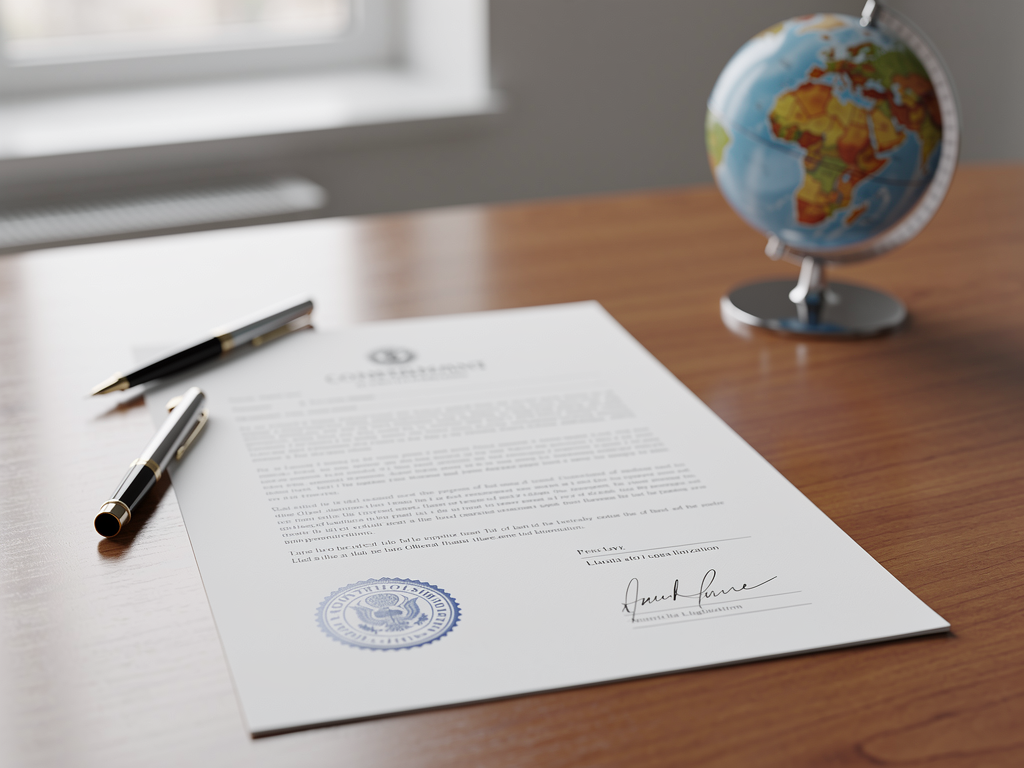
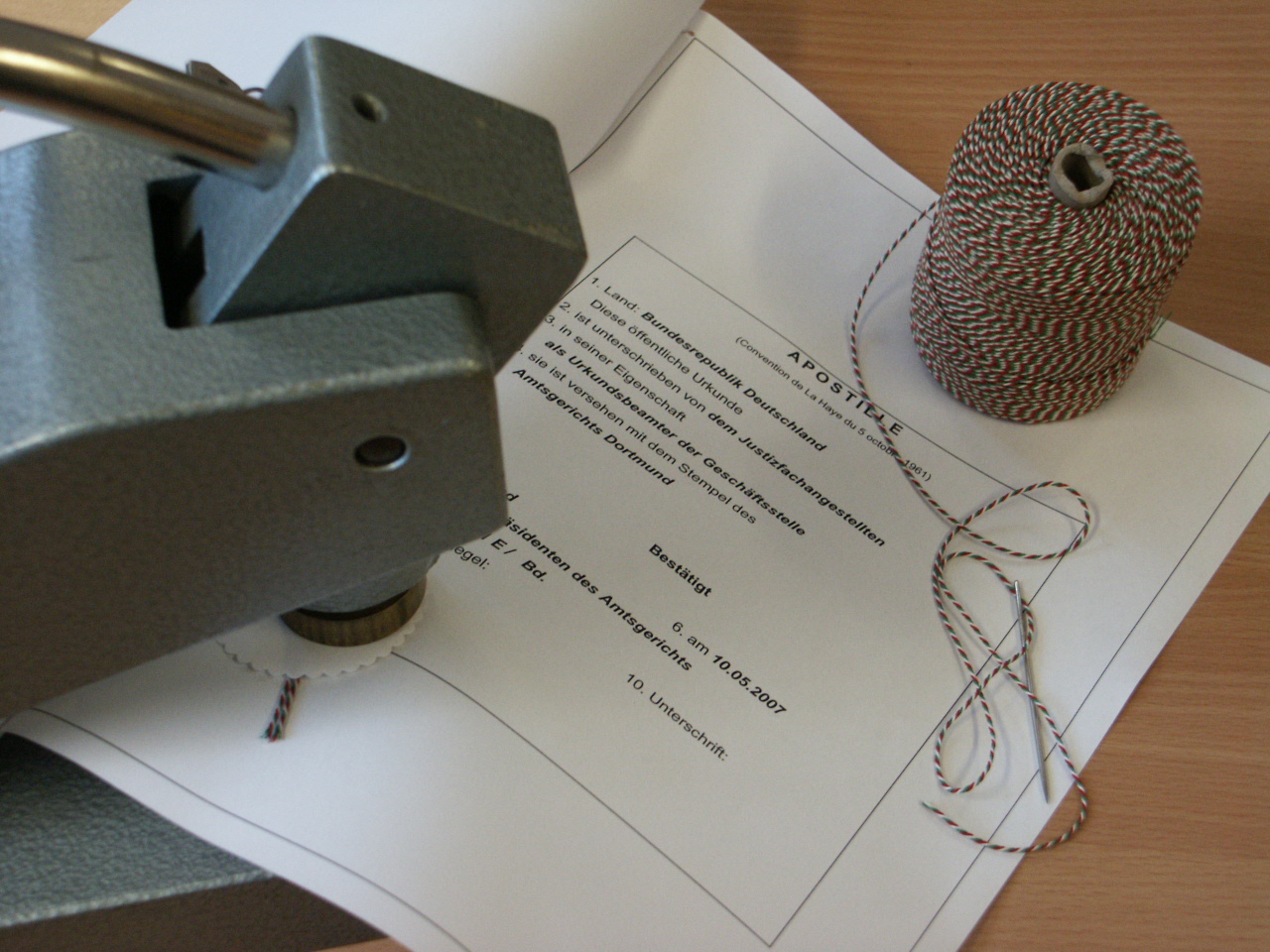
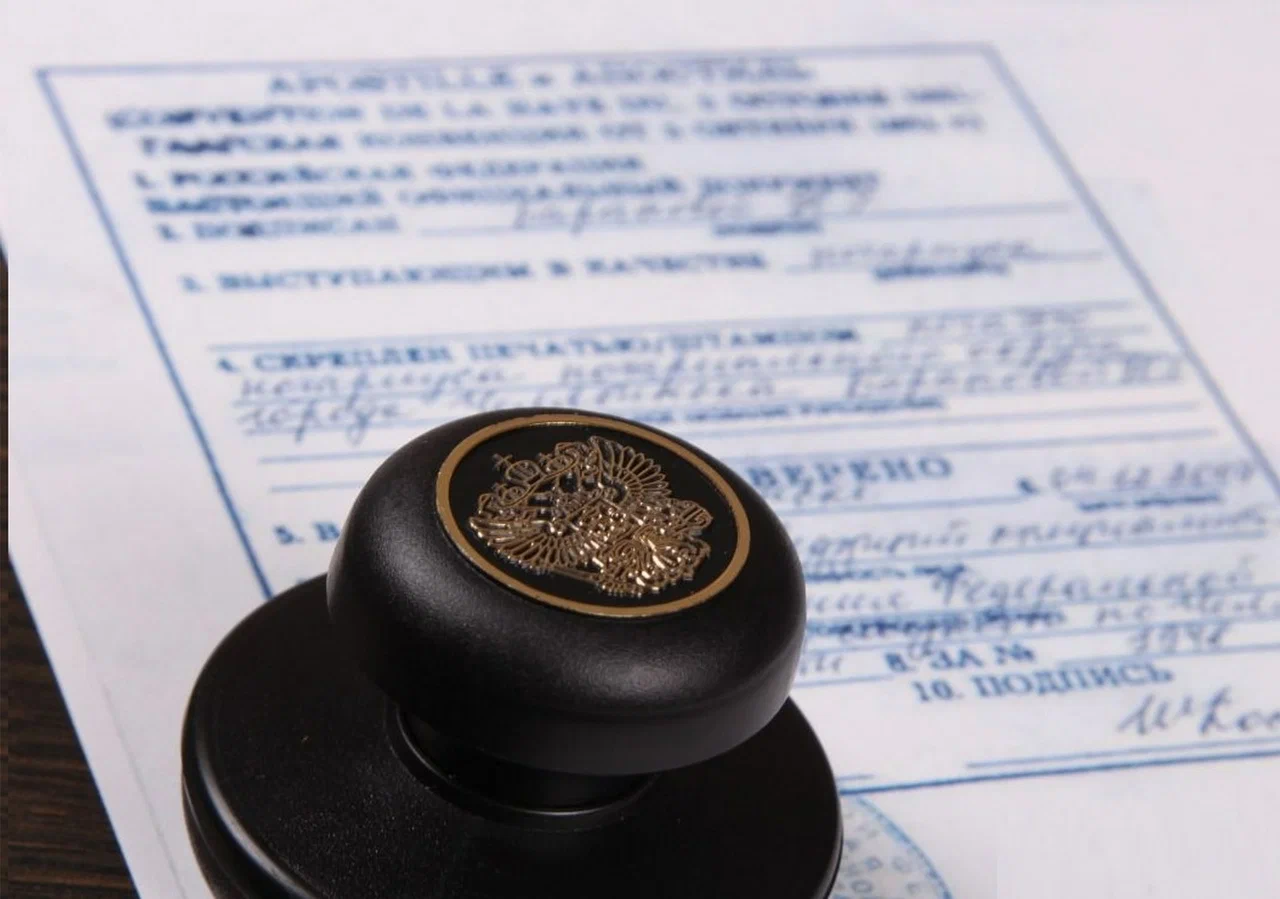
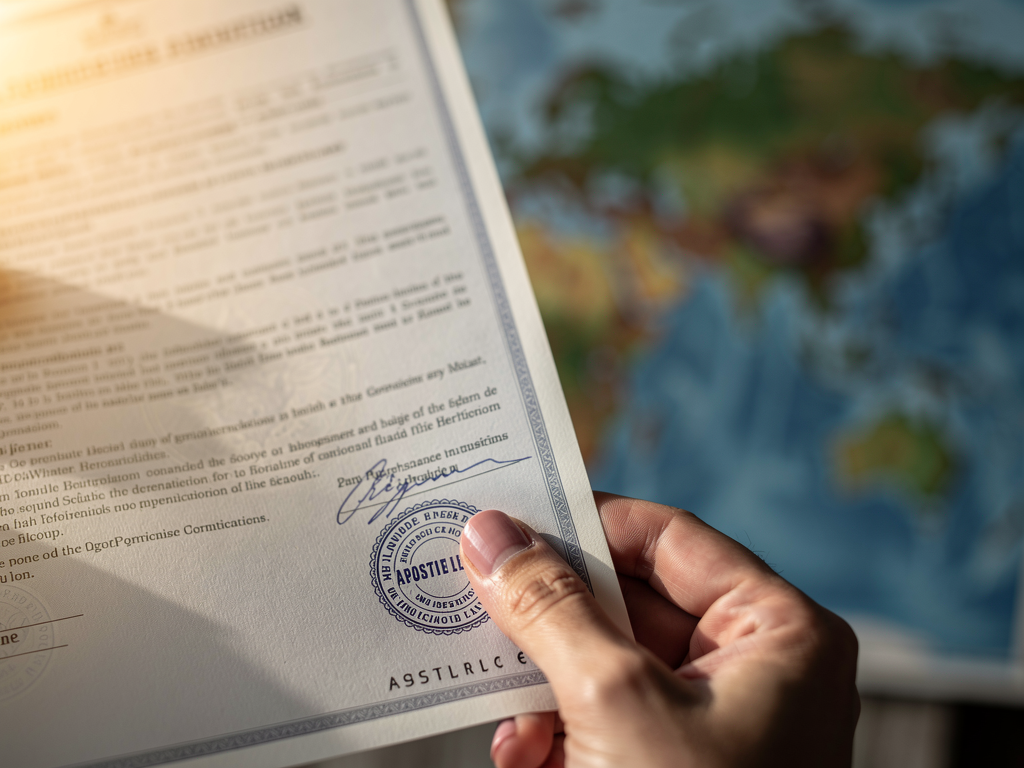
An apostille is a specialized certificate that authenticates the origin of a public document for use in another country. It’s essentially an international notarization that verifies the authenticity of signatures, seals, and stamps on official documents. The apostille certification was established by the Hague Convention of 1961 to simplify the process of document authentication between member countries.

Key Features of an Apostille

  • A standardized certificate recognized by all member countries
  • Contains a unique identifying number
  • Validates the authenticity of the document’s origin
  • Includes the signature and seal of the issuing authority
  • Usually appears as an additional page or stamp on the original document

When Do You Need an Apostille?

Apostilles are required in numerous situations when documents need to be used officially in another country. Here are the most common scenarios:

Personal Documents

  • Birth certificates – For immigration, dual citizenship, or marriage abroad
  • Marriage certificates – For legal recognition of marriage in another country
  • Death certificates – For inheritance claims or legal proceedings abroad
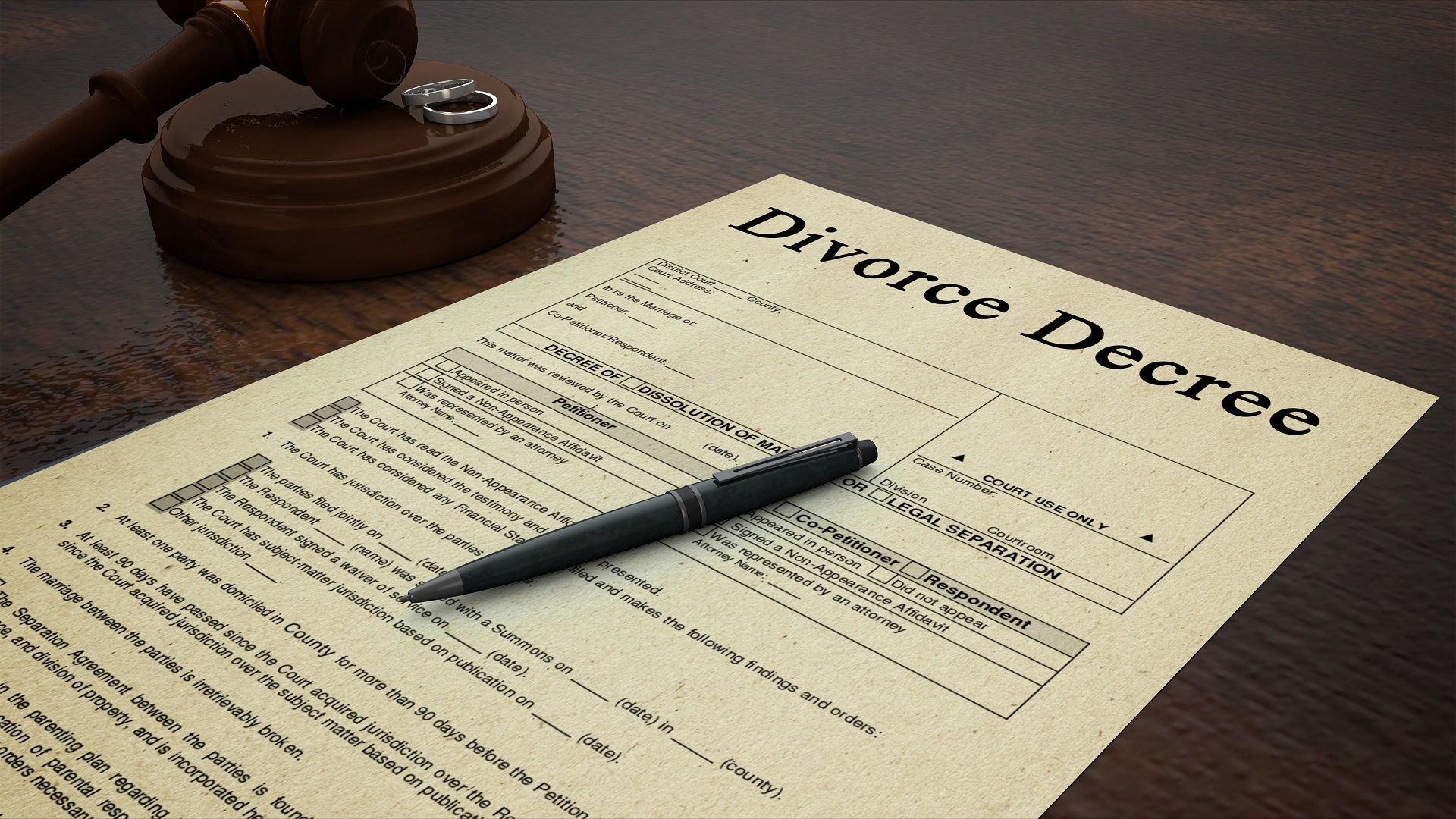
  • Divorce decrees – For remarriage in another country or legal purposes
  • Educational documents – For studying or working abroad

Business Documents

  • Company registration documents – For establishing business presence abroad
  • Power of attorney – For conducting business transactions in other countries
  • Commercial contracts – For international business agreements
  • Patent applications – For international intellectual property protection
  • Corporate documents – For opening foreign subsidiaries or branches

The Apostille Process

Obtaining an apostille involves several steps and varies slightly depending on your location and the type of document. Here’s the general process:

  1. Document Preparation – Ensure your document is original or a certified copy
  2. Notarization – Some documents require notarization before apostille
  3. Submission – Apply to the appropriate authority (usually Secretary of State’s office)
  4. Processing – Wait for verification and apostille issuance
  5. Receipt – Collect or receive your apostilled document

Countries That Accept Apostilles

Not all countries participate in the Hague Apostille Convention. Currently, over 120 countries are members of the convention. When dealing with non-member countries, different authentication procedures may be required.

Major Participating Countries Include:

  • United States and most European Union countries
  • United Kingdom and Commonwealth nations
  • Most South American countries
  • Many Asian and African nations
  • Australia and New Zealand

Common Misconceptions About Apostilles

Several misconceptions exist about apostilles that can cause confusion:

Important Clarifications

  • An apostille is not a translation service
  • Documents may still need to be translated separately
  • Not all documents qualify for apostille certification
  • Apostilles have no expiration date
  • The process cannot be completed online (though you can start the application online)

Cost and Timeline Considerations

The cost and time required to obtain an apostille vary by jurisdiction and urgency:

Typical Costs Include:

  • Basic apostille fee ($15-$50 per document)
  • Notary fees if required ($5-$15 per signature)
  • Expedited processing fees (optional)
  • Shipping and handling charges

Processing Times:

  • Standard processing: 5-10 business days
  • Expedited service: 1-3 business days
  • Same-day service: Available in some jurisdictions

Tips for Successful Apostille Applications

To ensure a smooth apostille process, consider these essential tips:

  • Verify document requirements before submission
  • Ensure all signatures are original
  • Make copies of all documents before submission
  • Allow sufficient processing time
  • Use tracked shipping methods

Special Considerations and Challenges

Some situations require additional attention when obtaining apostilles:

Complex Scenarios:

  • Documents from multiple countries
  • Urgent or emergency situations
  • Damaged or altered documents
  • Historical or archived documents
  • Electronic or digital documents

Conclusion

Understanding apostilles is crucial for anyone dealing with international document requirements. While the process may seem daunting, proper preparation and knowledge of the requirements can make it manageable. Remember to verify specific requirements for your destination country and allow adequate time for processing to ensure a smooth experience.
Accurate Birth Certificate Translation: Top Online Services for a Seamless Experience

blog feature 5

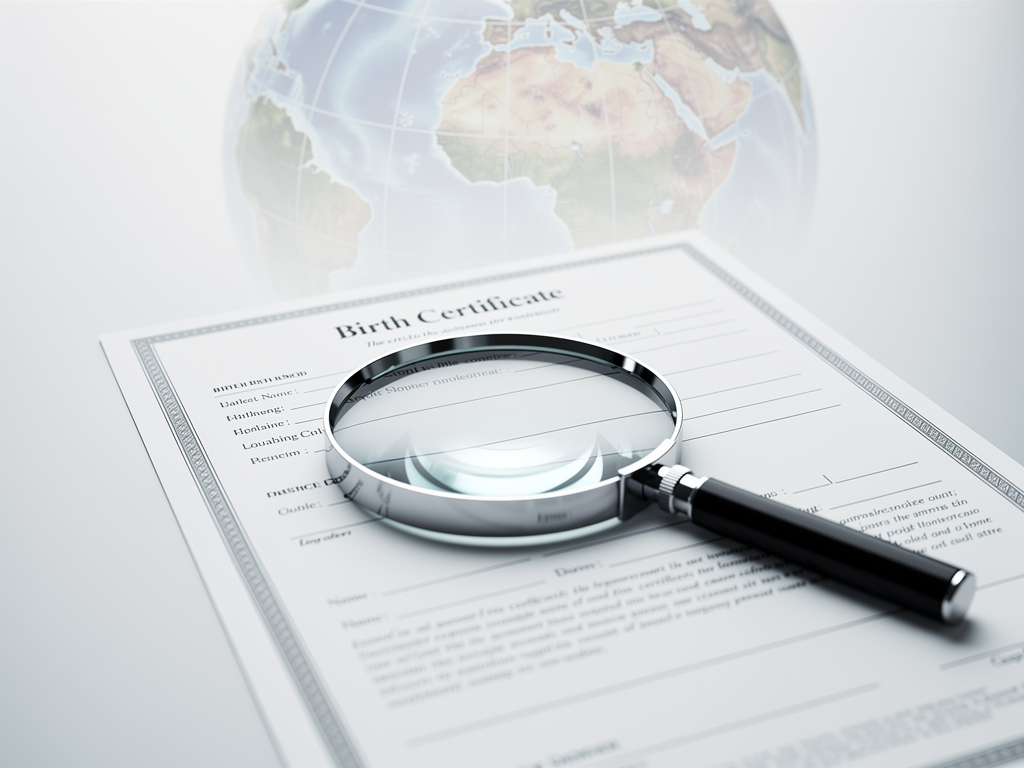
Introduction to Birth Certificate Translation

Translating a birth certificate is a crucial step for individuals who need to use their document in a foreign country, whether for immigration purposes, marriage, education, or employment. The process involves converting the original document from one language to another, ensuring that all information, including names, dates, and places, is accurately represented. Given the importance of this document, selecting a reliable online translation service is paramount to avoid any potential issues or delays.

Importance of Accurate Translation

The accuracy of a birth certificate translation is critical because even the smallest mistake can lead to the rejection of the document by authorities. This not only causes inconvenience but can also lead to significant delays in whatever process the translation is required for. Therefore, it’s essential to choose a service that guarantees high-quality translations performed by skilled and experienced translators.

Key Factors to Consider

When looking for an online service to translate a birth certificate, several factors should be considered to ensure the service meets your needs and provides a reliable translation. These include the service’s reputation, the qualifications and experience of the translators, the languages supported, the turnaround time, and the cost. Additionally, the security and confidentiality of your documents are paramount, so look for services that have robust privacy policies and secure uploading and storage systems.

Reliable Online Translation Services

Several online services stand out for their reliability, quality of work, and customer satisfaction. These services often have a team of professional translators who are not only fluent in the target languages but also have experience with legal and official documents, ensuring that the translations are not only accurate but also appropriate for their intended use.

  • Rev.com: Known for its fast turnaround times and affordable prices, Rev.com offers translations performed by a network of skilled freelancers. They support a wide range of languages and have a user-friendly platform for uploading documents and tracking orders.
  • Google Translate: While not suitable for official documents due to potential inaccuracies, Google Translate can be a useful tool for informal translations or to get an idea of what your document says in another language. However, for official purposes, a professional service is recommended.
  • Day Translations: This service boasts a large team of translators who can handle birth certificates and other legal documents. They emphasize confidentiality and have a system in place for urgent translations, making them a good option for those with time-sensitive needs.
  • GTS Translation: With a focus on precision and timely delivery, GTS Translation offers certified translations suitable for official use. They have experience with a variety of documents, including birth certificates, and support numerous languages.

Certification and Notarization

For many official purposes, a birth certificate translation must be certified and, in some cases, notarized. A certified translation is accompanied by a certificate of accuracy, signed by the translator or the translation company, stating that the translation is accurate and complete. Notarization involves a notary public verifying the identity of the signer (in this case, the translator) and witnessing the signing of the certificate of accuracy. Ensure that the service you choose offers these options if they are required for your intended use.

Cost and Turnaround Time

The cost of translating a birth certificate can vary widely depending on the service, the language pair, the complexity of the document, and the turnaround time. While it’s tempting to opt for the cheapest option, consider the potential consequences of a low-quality translation. Faster turnaround times often come at a higher cost, but for urgent needs, the expedited service may be necessary. Always check the pricing and estimated completion time before placing an order.

Conclusion

Translating a birth certificate is a significant step in various life events, and choosing the right online service can make a substantial difference in the efficiency and success of the process. By considering factors like reputation, translator qualification, language support, and security, you can find a reliable service that meets your needs. Remember, the goal is not just to translate the document but to ensure it is accepted by the relevant authorities, making the selection of a high-quality translation service indispensable.

Obtaining an Apostille from the FBI: A Comprehensive Guide to Costs and Requirements

blog feature 4

Introduction to Apostille Services

When dealing with international document legalization, the term ‘apostille’ is commonly encountered. An apostille is a form of authentication issued to documents for use in countries that participate in the Hague Convention of 1961. It verifies the authenticity of the signature and the capacity of the person who signed the document, making it a crucial step for individuals and businesses engaging in cross-border activities. One of the key authorities involved in this process in the United States is the Federal Bureau of Investigation (FBI). This article aims to provide a detailed overview of the costs associated with obtaining an apostille from the FBI and guide you through the necessary steps and requirements.

Understanding the Apostille Process

The process of obtaining an apostille involves several steps, starting from preparing the documents to be apostilled, getting them notarized if necessary, and then submitting them to the appropriate authority for authentication. In the context of the FBI, the most common reason for obtaining an apostille is for the authentication of FBI background checks or other documents issued by the FBI.

FBI Background Check

An FBI background check, also known as an Identity History Summary, is often required for foreign travel, work, or residency. The process involves submitting fingerprints to the FBI for a thorough background check. Once the report is generated, if it needs to be used abroad, it may require an apostille. The cost for an FBI background check itself can vary but typically includes the cost of fingerprinting and the FBI’s processing fee, which is currently $18 for an individual’s background check. Additional costs may include the fee for fingerprint rolling and any expedited service fees.

Costs Associated with Obtaining an Apostille from the FBI

The cost to obtain an apostille for an FBI-issued document can be broken down into several components:

  • FBI Processing Fee: As mentioned, the FBI charges a fee for processing background checks. However, this does not include the apostille fee itself.
  • Apostille Fee: The fee for the apostille is typically charged by the Secretary of State of the state from which the document originates or a specialized apostille service if you’re using one. The cost can vary by state, ranging from $10 to $50 per document, though prices are subject to change.
  • Expedited Service Fees: Both the FBI and the Secretary of State’s office may offer expedited services for an additional fee, which can significantly reduce the processing time for urgent requests.
  • Courier and Notarization Fees: Depending on your location and the service you use, there may be additional fees for courier services to send and receive your documents and for notarization if your documents require it.

Navigating the Process

Given the complexity and variability of costs and processing times, it’s essential to navigate the process efficiently. Here are some steps and tips:

  1. Ensure your documents are ready for apostille. This includes having them notarized if necessary and making sure they are the originals or certified copies as required by the issuing authority.
  2. Submit your request to the FBI for a background check if that’s the document you need an apostille for. Use the official FBI channels or an FBI-approved channeler to expedite the process.
  3. Once you have your document, determine the appropriate state from which to obtain the apostille. This could be the state where the document was issued or where you reside.
  4. Submit your document for apostille, either directly to the Secretary of State or through an apostille service. Be sure to follow the specific instructions for submission, including any particular forms or fees required.

Conclusion

Obtaining an apostille from the FBI for your documents involves understanding the process, preparing your documents correctly, and being aware of the costs involved. The total cost can range from under $100 for a straightforward, non-expedited service to several hundred dollars if expedited services are used. It’s crucial to plan ahead, considering the processing times and the specific requirements for your situation. Whether you’re dealing with personal or business documents, ensuring you follow the correct procedures will save time and reduce potential complications in the long run.

Apostille Documents: A Comprehensive Guide to Authentication

blog feature 3

An apostille is a special kind of authentication that is used to verify the authenticity of documents for use in countries that are part of the Hague Convention. The Apostille Convention, signed in 1961, aims to simplify the process of authenticating documents across international borders. If you are planning to study, work, or conduct business abroad, it’s crucial to understand what documents require an apostille. In this article, we will delve into the various types of documents that need to be apostilled and the process of obtaining an apostille.

Types of Documents That Require an Apostille

Not all documents need an apostille, but those that do generally fall into specific categories. These include:

  • Birth and Death Certificates: For inheritance, marriage, or other legal purposes, these documents often need to be apostilled to be recognized abroad.
  • Marriage Certificates: Essential for spousal visas, inheritances, and legal proceedings in another country.
  • Divorce and Annulment Documents: Required for remarriage, child custody cases, or other legal matters in a foreign country.
  • Adoption Papers: Needed for international adoptions to prove the legitimacy of the adoption process.
  • Diplomas and Transcripts: For foreign job applications or university admissions, educational documents must be apostilled to verify their authenticity.
  • Power of Attorney: Essential for conducting business or managing properties in another country.
  • Business Documents: Articles of incorporation, certificates of good standing, and other corporate documents may require an apostille for international business transactions.

Why Are Apostilles Necessary?

Apostilles are necessary because they provide a uniform method of authentication that is recognized by all countries that are party to the Hague Convention. This simplifies international transactions and document recognition, ensuring that documents issued in one country can be used in another without the need for further legalization through the embassy or consulate of the destination country.

The Apostille Process

Obtaining an apostille involves several steps:

  1. Prepare Your Document: Ensure the document is an original or a certified copy issued by the relevant authority.
  2. Notarization: Some documents may require notarization before they can be apostilled.
  3. Submit for Apostille: The document is then submitted to the competent authority in the country of origin for apostille. This is usually the Secretary of State or a similar state or national department.
  4. Receive the Apostille: Once the document is verified, an apostille certificate is attached to it, confirming its authenticity.

Conclusion

In conclusion, understanding which documents require an apostille is crucial for anyone dealing with international transactions, relocation, or business expansion. The apostille process, while it may seem complex, is designed to facilitate the use of documents across borders, ensuring that your documents are recognized and respected internationally. Always check the specific requirements for the country where your documents will be used, as regulations can vary.

Apostille Agreement: How to Legalize Contracts for International Use

172083

1. Introduction

If you’re doing business overseas or signing legal contracts with foreign individuals or entities, your agreement may need to be validated by an apostille. An apostilled agreement confirms that the document is authentic and legally recognized in foreign countries that are members of the Hague Apostille Convention.

At Apostilleauthentication.com, we provide reliable and certified apostille services for contracts, business deals, and legal agreements across all U.S. states.

2. What Is an Apostille for Agreements?

An apostille is a form of authentication issued by the U.S. Department of State or a Secretary of State that verifies the legitimacy of a public document. When applied to a legal agreement, it ensures that the contract is accepted in other countries without additional certification.

The apostille applies to the signature of the notary public or public official who witnessed or validated the document.

3. Why Apostilles Are Required for Contracts

Foreign governments, banks, or corporations may require an apostille on legal agreements to:

  • Confirm the identity and intent of the signers 
  • Ensure the legality of the contract in international settings 
  • Prevent fraud or misrepresentation 

Without an apostille, your document might be rejected or delayed in foreign legal proceedings.

4. Common Types of Agreements That Require Apostilles

Some of the most commonly apostilled agreement types include:

  • International business contracts 
  • Power of attorney agreements 
  • Real estate purchase or lease agreements 
  • Loan or financing agreements 
  • Employment or consultancy contracts 
  • Partnership or shareholder agreements

Whether for business, legal, or personal purposes, we handle all agreement types.

5. Countries That Require Apostille Certification

Apostille certification is valid only in countries that are members of the Hague Apostille Convention. These include:

  • France 
  • Germany 
  • Spain 
  • South Korea 
  • Japan 
  • Mexico 
  • Italy 
  • Colombia 
  • Brazil

If your destination country is not part of the Convention, embassy or consular legalization will be required.

6. How to Apostille an Agreement

Here’s how the process works:

  1. Ensure the agreement is properly signed and notarized (if applicable) 
  2. Submit the notarized document to the Secretary of State in the issuing state 
  3. The Secretary of State applies the apostille certifying the authenticity 
  4. Receive the apostilled agreement by mail or international courier 

Or let Apostilleauthentication.com handle the entire process for you.

7. Mistakes to Avoid During the Apostille Process

  • Sending unsigned or unnotarized agreements 
  • Using an outdated or incomplete version of the contract 
  • Submitting to the wrong state or federal office 
  • Failing to check the destination country’s requirements

We pre-screen your documents to avoid delays and rejections.

8. Why Apostilleauthentication.com Is Your Best Choice

  • Apostille service available in all 50 states 
  • Certified and secure handling of legal agreements 
  • Expedited options for urgent international needs 
  • Experience with business, legal, and government contracts 
  • Remote-friendly and international support

We take the stress out of international document legalization.

9. FAQs

Q: Can I apostille an agreement signed by two parties in different states?
A: Yes. As long as the document is notarized, we can process it through the appropriate state authority.

Q: Does the agreement need to be notarized?
A: In most cases, yes. Apostilles verify the authenticity of the notary’s signature.

Q: How long does the process take?
A: Usually 3–7 business days. Expedited processing is available.

Q: Can I submit the document from outside the U.S.?
A: Yes. We accept international submissions and ship worldwide.

10. Final Thoughts

Legal agreements are critical documents—and when used internationally, they must be properly authenticated. Apostilling your contracts ensures they are legally recognized abroad, eliminating delays and uncertainty.

With Apostilleauthentication.com, you can rest assured your agreement is processed accurately and delivered quickly.

Start your apostille request today Contact us now to begin.

Apostille of Single Status: Everything You Need to Know

XXXL 1

1. Introduction

Planning to get married abroad? Or proving you’re unmarried for immigration, adoption, or dual citizenship? In these situations, you may need a Single Status Certificate—and more importantly, have it apostilled to ensure its acceptance overseas.

At Apostilleauthentication.com, we simplify the apostille process for single status affidavits, no matter which U.S. state you’re in.

2. What Is a Single Status Certificate?

A Single Status Certificate—sometimes called a No Record of Marriage Certificate or Affidavit of Single Status—is a legal document that confirms you are not currently married. It’s commonly required for:

  • Marriage in a foreign country

  • Immigration or spousal visa applications

  • Adoption processes

  • Certain legal or financial arrangements overseas

Once issued, the document must be apostilled if the destination country is part of the Hague Convention.

3. Why You Might Need It

Foreign governments may require proof that you’re not currently married before allowing:

  • Legal marriage ceremonies abroad

  • Spousal sponsorship in immigration cases

  • Property ownership or estate matters as a single individual

  • Religious or governmental approvals related to civil status

Without an apostille, your certificate may be considered invalid or incomplete by international authorities.

4. Countries That Require Apostilles

Apostilles are only accepted in countries that are members of the Hague Apostille Convention. Some of the common countries requiring an apostilled Single Status Certificate include:

  • Italy

  • Spain

  • Mexico

  • Portugal

  • France

  • South Korea

  • India

  • Colombia

  • Brazil

If your destination country isn’t a member, consular legalization will be required instead.

5. How to Obtain and Apostille Your Single Status Certificate

Here’s the typical step-by-step process:

  1. Get a notarized affidavit: You will usually write and sign a sworn statement declaring your single status. This must be notarized.

  2. Submit to the Secretary of State: The notarized affidavit is submitted to the Secretary of State where the notary is commissioned.

  3. Receive the apostilled document: The state issues an apostille certifying the notary and your document’s authenticity.

  4. Translation (if needed): If your destination country requires a translated copy, that must be included as well.

✅ Or skip the paperwork headache and let Apostilleauthentication.com handle the entire process for you—accurately and efficiently.

6. Common Mistakes to Avoid

  • Submitting an unsigned or unnotarized affidavit

  • Using incomplete statements that don’t include proper legal language

  • Sending the document to the wrong state office

  • Not checking translation requirements for the destination country

  • Waiting until the last minute (some countries require recent issuance)

We review every document to make sure it meets all requirements.

7. Why Choose Apostilleauthentication.com

  • Nationwide coverage – all 50 states

  • Fast turnaround times

  • Remote-friendly process

  • Secure document handling

  • Trusted by couples, immigration attorneys, and wedding coordinators worldwide

We take the stress out of international document authentication.

8. FAQs

Q: How do I prove I’m single?
A: You sign a sworn affidavit in front of a notary stating you are currently unmarried. This is then apostilled.

Q: Is a county clerk or vital records office involved?
A: Not always. In many cases, a notarized affidavit is sufficient. We’ll guide you based on your state and destination country.

Q: How long does the apostille process take?
A: Typically 3–7 business days depending on the state. Expedited options available.

Q: Can I use this document for more than one country?
A: No. Apostilles are country-specific. You’ll need a separate one for each destination if required.

Q: Can you handle this if I’m outside the U.S.?
A: Yes! We accept international orders and offer worldwide document return.

9. Final Thoughts

Whether you’re getting married overseas or need to confirm your civil status for legal reasons, apostilling a Single Status Certificate is a key step. With the right support, it doesn’t have to be complicated.

At Apostilleauthentication.com, we make sure your documents are apostilled correctly, quickly, and with zero stress.

Ready to begin? Get started now and let our experts assist you with the entire apostille process.

Apostille for Probate Wills: A Complete Guide for International Use

Notary Services

1. Introduction

If you’re managing the estate of a deceased individual whose assets span across borders, you may need to have a probate will apostilled. This legal certification ensures the document is recognized by foreign governments, courts, and institutions.

At Apostilleauthentication.com, we provide secure, fast, and professional apostille services for wills, estate settlements, and probate documents.

2. What Is a Probate Will?

A probate will is a legally recognized document that has been validated by a probate court to distribute the assets of a deceased person. It typically includes:

  • The original will
  • A court certification that the will is valid
  • Appointment of executors or estate administrators

When used internationally, this document often requires an apostille to confirm its authenticity.

3. Why You Might Need an Apostille

You may need to apostille a probate will for several reasons:

  • Inheritance claims abroad
  • Property transfers in foreign jurisdictions
  • Bank or investment account settlements in another country
  • Heirship proof for legal procedures outside the U.S.

Without an apostille, many foreign institutions will not accept the document as legally binding.

4. When and Where It’s Required

An apostille is needed when:

  • The probate will is being presented in a Hague Apostille Convention country
  • You are working with foreign courts, consulates, or financial institutions

Countries that require apostilles include:

  • France
  • Spain
  • Germany
  • Italy
  • India
  • South Korea
  • Portugal
  • Mexico

If your destination country is not a Hague member, you’ll need consular or embassy legalization instead.

5. How to Apostille a Probate Will

The general steps include:

  1. Obtain a certified copy of the probate will from the court where it was validated
  2. Ensure it has the official seal and judge’s signature
  3. Submit it to the Secretary of State where the document was issued
  4. Receive the apostilled copy, ready for use abroad

Need help? Let Apostilleauthentication.com manage the entire process from start to finish.

6. Common Challenges and How to Avoid Them

  • Submitting a non-certified copy of the will
  • Missing required signatures or seals
  • Sending to the wrong state office
  • Failing to understand destination country requirements

Our experts check every document to ensure full compliance before submission.

7. Why Use Apostilleauthentication.com

  • Certified apostille processing in all 50 states
  • Experienced handling of probate and estate documents
  • Secure, confidential processing
  • Expedited options available
  • Trusted by estate lawyers, executors, and global heirs

We make a complex process simple and stress-free.

8. FAQs

Q: Can I apostille a probate will from any state?
A: Yes. We can process probate documents from courts in all 50 U.S. states.

Q: Does the document have to be recent?
A: No, but it must be a certified copy issued by the probate court.

Q: Can I use a photocopy?
A: No. Only original certified copies with court seals are accepted.

Q: How long does the apostille process take?
A: Usually 3–7 business days. Expedited services are available.

Q: Can you ship internationally?
A: Yes. We offer secure international delivery options.

9. Final Thoughts

Apostilling a probate will is essential for international estate administration. Let Apostilleauthentication.com help you ensure your documents are accepted worldwide with professional, fast, and compliant services.

Contact us now to start your apostille process with peace of mind and expert support.

Getting an Apostille on Your Divorce Decree: Everything You Need to Know

How to Get a Copy of a Divorce Decree in Ohio

1. Introduction

If you’ve been divorced in the United States and need to prove it internationally—for remarriage, visa applications, or property settlements—a divorce decree apostille may be required.

At Apostilleauthentication.com, we help you obtain an apostille on your divorce decree for use in any Hague Convention country.

2. What Is a Divorce Decree Apostille?

A divorce decree apostille is a certification that validates your divorce document so that it is legally recognized in foreign countries that are part of the Hague Apostille Convention.

It proves that your U.S. court-issued divorce decree is authentic and eligible for legal processes abroad.

3. When and Why You Need It

You might need an apostilled divorce decree for:

  • Getting remarried abroad
  • Applying for a foreign visa
  • Resolving property or legal issues internationally
  • Proving marital status to foreign authorities

Without an apostille, your divorce document may be considered invalid or unverifiable in another country.

4. Countries That Require Apostilles

Any country that is a member of the Hague Convention requires an apostille. Common examples include:

  • France
  • Spain
  • Germany
  • South Korea
  • Mexico
  • Portugal
  • Italy
  • Colombia

For countries not in the Hague Convention, you may require additional consular or embassy authentication.

5. Steps to Apostille a Divorce Decree

Here’s a step-by-step process:

  1. Obtain a certified copy of your divorce decree from the court where it was issued.
  2. Verify that it contains the proper judge’s signature and court seal.
  3. Submit it to the Secretary of State in the issuing state for apostille.
  4. Receive the apostilled document for international use.

📌 Need help? Let Apostilleauthentication.com manage the entire process from start to finish.

6. Common Issues and How to Avoid Them

  • Submitting a photocopy instead of a certified copy
  • Missing the official court seal or signature
  • Sending to the wrong Secretary of State office
  • Not meeting foreign country requirements for legalization

We help ensure your documents are complete and ready for quick approval.

7. Why Trust Apostilleauthentication.com

  • Nationwide coverage across all 50 states
  • Expert handling of sensitive court documents
  • Expedited and same-day processing available
  • Secure mailing and international shipping options
  • Trusted by attorneys, embassies, and private individuals

We make the apostille process fast, easy, and stress-free.

8. FAQs

Q: Can I apostille a divorce decree from any U.S. state?
A: Yes. We process divorce decrees issued by courts in all 50 states.

Q: Does the divorce decree need to be recent?
A: No, but it must be a certified copy with the court seal and judge’s signature.

Q: Can I use a scanned or photocopied document?
A: No. Only certified original court documents are eligible for apostille.

Q: How long does it take to get an apostille?
A: Typically 3–7 business days. Expedited options are available.

Q: Can I send my documents from outside the U.S.?
A: Yes. We accept international submissions and offer global return shipping.

9. Final Thoughts

Getting an apostille on your divorce decree is essential for legal recognition abroad. Whether you’re planning to remarry, move internationally, or resolve foreign legal issues, Apostilleauthentication.com can help streamline the process.

Ready to get started? Contact us today to secure your apostille quickly and accurately.

Apostille Transcript: How to Legalize Academic Records for International Use

Untitled design 5

1. Introduction

If you plan to study, work, or immigrate abroad, you may be asked to provide an apostilled academic transcript. Whether you’re applying to a foreign university or verifying credentials for an employer overseas, this process ensures your records are legally recognized in other countries.

At Apostilleauthentication.com, we provide fast, reliable apostille services for academic transcripts across all U.S. states.

2. What Is an Apostille for a Transcript?

An apostille is an official government certification that verifies the authenticity of a public document, such as an academic transcript, for use in Hague Apostille Convention countries.

It confirms the signature and authority of the educational institution or notarizing body that issued or certified the transcript.

3. When Is It Required?

An apostille for transcripts may be required when:

  • Applying to an international college or university
  • Seeking employment abroad
  • Applying for visas or residency
  • Pursuing international licensing or certification

Without an apostille, many foreign institutions and agencies may reject your academic documents.

4. Countries That Require Apostilles

Any member country of the Hague Apostille Convention will require an apostille on your academic transcript. These include:

  • France
  • Germany
  • Spain
  • Mexico
  • Italy
  • South Korea
  • India
  • Australia

If your destination country is not part of the Hague Convention, you may need consular or embassy legalization instead.

5. How to Apostille a Transcript

Here are the typical steps:

  1. Obtain an official transcript from your high school, college, or university.
  2. If required, have it notarized by the registrar or a notary public.
  3. Submit it to the Secretary of State in the state where it was notarized.
  4. Receive the apostilled transcript ready for international use.

Want to avoid the hassle? Let Apostilleauthentication.com take care of it from start to finish.

6. Common Mistakes to Avoid

  • Using a photocopy instead of an official transcript
  • Submitting documents that are not notarized
  • Sending to the wrong state office
  • Failing to meet destination country requirements

We review all documents prior to submission to ensure smooth processing.

7. Why Use Apostilleauthentication.com

  • Nationwide transcript apostille processing
  • Fast turnaround and expedited services
  • Trusted by students, universities, and professionals
  • International shipping available
  • Secure and confidential handling of academic records

Our expert team ensures everything is done correctly the first time.

8. FAQs

Q: Can you apostille transcripts from any U.S. school or university?
A: Yes. We work with institutions across all 50 states.

Q: Does the transcript need to be notarized?
A: Some states require notarization by the registrar or a notary public. We’ll guide you through the process.

Q: How long does the apostille process take?
A: Generally 3–7 business days. Expedited options are available.

Q: Can you handle multiple transcripts at once?
A: Yes. We can process multiple academic documents in the same request.

Q: Can I ship from outside the U.S.?
A: Yes. We accept international orders and provide global return delivery.

9. Final Thoughts

An apostille is essential for international acceptance of your academic transcript. Whether for study, work, or immigration, Apostilleauthentication.com offers a secure, efficient, and expert solution.

Start your transcript apostille process today Contact us here for personalized support and quick results.

Apostille No Record of Marriage: A Guide to International Document authentication

Th12 Despatc1h Vidya 1

1. Introduction

When applying for marriage abroad or confirming your single status internationally, many countries require a No Record of Marriage certificate—also called a Single Status Affidavit—to be apostilled. This ensures the document’s authenticity for legal use overseas.

At Apostilleauthentication.com, we help you get your single status certificate legalized quickly and correctly.

2. What Is a No Record of Marriage Certificate?

A No Record of Marriage or Single Status Certificate is an official government document that verifies you are not currently married. It is typically issued by the vital records department or county clerk in the state where you reside.

3. Why You Might Need to Apostille It

This document is commonly required for:

  • Getting married abroad
  • Applying for fiancé or spousal visas
  • Establishing legal single status in another country
  • Proving eligibility for civil partnerships

Without an apostille, many countries will not accept the certificate for official purposes.

4. Countries That Require an Apostille

Any country that is a member of the Hague Apostille Convention will require an apostille on your document. These include:

  • France
  • Mexico
  • Spain
  • Italy
  • South Korea
  • Germany
  • Portugal
  • Colombia

For non-Hague countries, additional embassy or consular legalization will be required.

5. How to Obtain and Apostille a No Record of Marriage

Here’s a simplified process:

  1. Request the certificate from your county clerk or state vital records office.
  2. Have it notarized, if required by your state.
  3. Submit it to the Secretary of State in your state for apostille.
  4. Receive the apostilled document by mail or courier.

📌 Let Apostilleauthentication.com manage the entire process to save time and avoid complications.

6. Common Mistakes to Avoid

  • Using a document that is not notarized (if required)
  • Submitting an incomplete or outdated certificate
  • Sending to the wrong Secretary of State office
  • Failing to include return shipping information
  • Trying to apostille a photocopy instead of a certified original

We check every document to ensure compliance before submission.

7. Why Work with Apostilleauthentication.com

  • Fast and certified processing in all 50 U.S. states
  • Secure handling of sensitive documents
  • International shipping available
  • Experience with marriage-related apostilles
  • Trusted by individuals, attorneys, and embassies

We guide you through the process with clarity and precision.

8. FAQs

Q: Can I apostille a document stating I’m single?
A: Yes. That’s exactly what a No Record of Marriage or Single Status Affidavit is for.

Q: What if I’ve been divorced?
A: You may need to submit both the divorce decree and a current single status certificate.

Q: Is notarization required?
A: Some states require it; others issue a certified document directly. We can advise based on your state.

Q: How long does the process take?
A: 3–7 business days depending on the state. Expedited service is available.

Q: Can you ship internationally?
A: Yes. We offer secure international delivery.

9. Final Thoughts

Apostilling a No Record of Marriage certificate is essential for validating your single status abroad. Trust Apostilleauthentication.com to make the process simple, fast, and fully compliant.

Need help? Get in touch today to begin your apostille request with our expert support.