
Apostille Death Certificate: How to Legalize It for International Use

image 1

When someone dies with property, accounts, pensions or family in another country, foreign institutions usually ask for an apostilled death certificate. The apostille confirms that the official who signed the certificate is genuine, so it can be used abroad without embassy legalization. This guide explains when you need one, how to get the right copy, and how long it takes.

When a death certificate apostille is required

  • Closing foreign bank accounts or transferring funds to heirs
  • Selling or transferring property abroad
  • Claiming foreign pensions, life insurance or social security benefits
  • Probate or succession proceedings in another country
  • Transporting remains or ashes abroad; see our guide to taking a loved one’s ashes abroad
  • Registering the death with a foreign civil registry

The apostille is accepted in Hague Convention countries; see our list of apostille countries. For other countries you need authentication and embassy legalization.

Getting the right copy

You need a certified copy of the death certificate from:

  • The state vital records office, or
  • The county or local registrar where the death was recorded

The copy must carry the signature of an official the Secretary of State has on file. Some states only apostille copies signed by the state registrar; others accept county officials. Ask for several certified copies at once, because banks, insurers and foreign courts may each keep one.

Who issues the apostille

The Secretary of State in the state where the death was registered, which may differ from where the person lived. Oregon, for example, apostilles death records from its vital records office and certified county records, at $10 per certificate.

Step-by-step process

  1. Confirm what the foreign institution needs, including whether it wants a full or short-form certificate and a translation.
  2. Order certified copies from the state or county where the death was registered.
  3. Submit each copy to that state’s Secretary of State with the request form and fee.
  4. Gather related documents, such as the will, letters testamentary or a power of attorney, which may also need apostilles. See our guide to probate will apostilles.
  5. Arrange a certified translation if required. See whether to translate before or after the apostille.

Common problems and how to avoid them

  • Short-form certificates. Some countries want the long form showing the cause of death or parents’ names.
  • Uncertified copies. Funeral home copies or photocopies cannot be apostilled.
  • Wrong state. The apostille must come from the state where the death was registered.
  • Errors on the certificate. Spelling mistakes in names or dates can cause rejection abroad; correct them with the vital records office first.

See our list of common apostille mistakes for more.

Timelines and costs

Ordering certified copies can take from a few days to a few weeks, depending on the office. State apostille processing varies from same-day to several weeks. Apostille Authentications charges $195 for the first document and $65 for each additional document, plus the state fee, and same-day service is available for Oregon, Washington, Texas and Virginia documents depending on when we receive them. See our pricing page.

Frequently asked questions

Who can request an apostille on a death certificate?

Anyone holding a certified copy can submit it for an apostille. Ordering the certified copy may be limited to family members or legal representatives, depending on the state.

What if the death happened outside the U.S.?

A foreign death certificate must be apostilled in the country that issued it. For a U.S. citizen who died abroad, the Consular Report of Death Abroad is a federal document authenticated by the U.S. Department of State.

How many apostilled copies should I get?

Ask each foreign institution. Many families order two or three apostilled copies to avoid repeating the process.

Do I need a translation?

Many non-English-speaking countries require one. Our certified translation service can translate the certificate and the apostille.

Get help during a difficult time

Contact us with the state where the death was registered and the destination country, and we will handle the steps for you.

Related guides: Apostille Marriage Certificate: Everything You Need to Know · Apostille for Birth Certificate: A Step-by-Step Guide for International Use
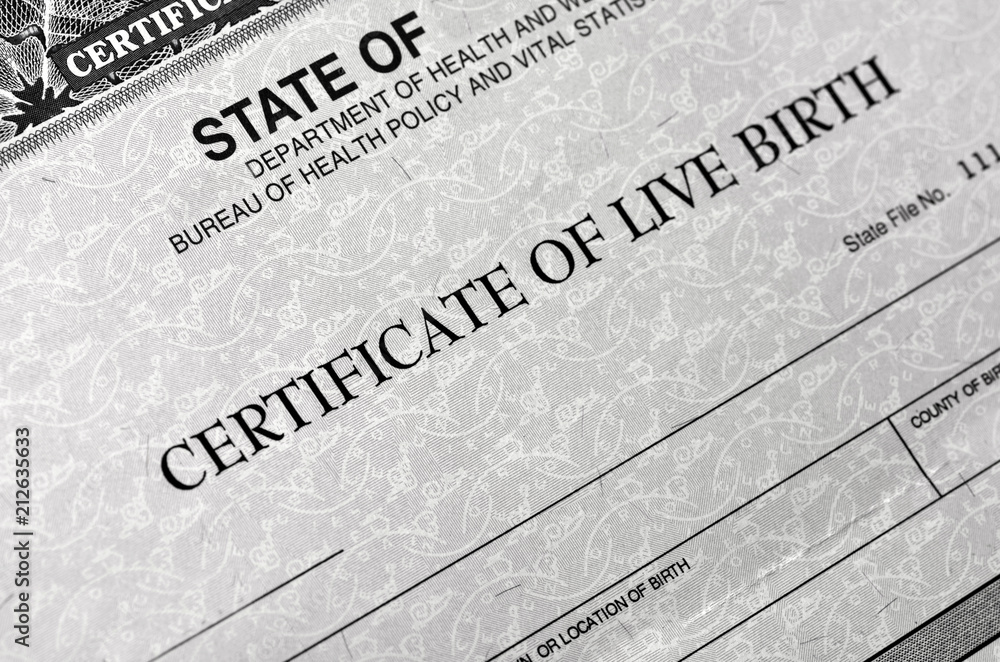
Apostille Marriage Certificate: Everything You Need to Know

1266637399894646 1c8c

An apostilled marriage certificate is often required when you apply for a spousal visa, register your marriage abroad, apply for residency, or change your name in another country. The apostille confirms that the official who signed your certificate is genuine, so foreign authorities accept it without embassy legalization. This guide covers who issues the apostille, how to get the right copy, and how long it takes.

When you need an apostilled marriage certificate

  • Spousal, family or partner visas and residence permits
  • Registering a U.S. marriage with a foreign civil registry
  • Changing your surname on foreign IDs or bank accounts
  • Dual citizenship or citizenship by descent applications for your spouse or children
  • Inheritance, pension and property matters abroad

The apostille is accepted in Hague Convention countries (130 contracting parties as of October 2026; see our list of apostille countries). For other countries you need authentication and embassy legalization.

Who issues the apostille

A marriage certificate is a state document. The apostille comes from the Secretary of State, or equivalent office, in the state where the marriage was registered, not where you live now. If you married in Nevada but live in Oregon, the Nevada Secretary of State issues it.

Getting the right copy of your marriage certificate

Your decorative certificate from the ceremony cannot be apostilled. You need a certified copy of the marriage record from:

  • The county clerk or recorder where the license was issued, or
  • The state vital records office

The copy must carry the signature and seal of an official the Secretary of State has on file. Some states only apostille copies signed by the state registrar, while others accept county clerk signatures; some require county-level certification first. Many foreign authorities also want a copy issued within the last three to six months.

Step-by-step process

  1. Check the destination country’s rules, including how recent the copy must be and whether a translation is needed.
  2. Order a certified copy from the county or state where the marriage was recorded.
  3. Submit it to that state’s Secretary of State with the apostille request form and fee.
  4. Receive the apostilled certificate, with the apostille attached to the document.
  5. Get a certified translation if required. See whether to translate before or after the apostille.

Timelines and costs

State processing times vary from same-day walk-in service to several weeks by mail. Fees also vary; Oregon charges $10 per apostille.

Apostille Authentications charges $195 for the first document and $65 for each additional document, plus the state fee. Same-day service is available for Oregon, Washington, Texas and Virginia documents, depending on when we receive them. See our marriage certificate apostille service and pricing page.

Common problems and how to avoid them

  • Sending the ceremony certificate. Only a certified copy of the official record can be apostilled.
  • Wrong state. The apostille must come from the state where the marriage was registered.
  • Old copies. A certified copy from years ago may be rejected abroad even with a valid apostille.
  • Name differences. If your name appears differently on other documents, the foreign authority may ask for extra proof.

More examples are in our list of common apostille mistakes.

Related documents you may need

Frequently asked questions

Can I apostille my marriage certificate in the state where I live now?

No. Only the state where the marriage was registered can apostille it.

Does the apostille expire?

No, but many countries only accept certificates issued within a recent period, often three to six months.

Can I apostille a photocopy of my marriage certificate?

No. You need a certified copy issued by the county or state vital records office.

Do I need a translation?

Many non-English-speaking countries require a certified translation. Our translation service can help.

Get your marriage certificate apostilled

Contact us with the state of marriage and the destination country, and we will confirm the steps and timing.

Related guides: Apostille for Birth Certificate: A Step-by-Step Guide for International Use · Apostille of Single Status: What You Need to Know for International Marriage and Visa Applications

Apostille for Birth Certificate: A Step-by-Step Guide for International Use
Birth certificate apostille service

1. Introduction

If you’re moving abroad, getting married overseas, or applying for dual citizenship, chances are you’ll be asked to provide a birth certificate with an apostille. This special authentication ensures your document is valid in foreign countries.

At Apostilleauthentication.com, we help clients across the U.S. obtain apostilles for their birth certificates—quickly, securely, and with complete peace of mind.

2. Why You Might Need an Apostille for a Birth Certificate

Your birth certificate is a primary identity document. When conducting legal, educational, or governmental processes abroad, a certified apostille confirms the birth certificate’s authenticity.

Common reasons include:

  • Applying for dual citizenship
  • Getting married overseas
  • Enrolling in a foreign school or university
  • Applying for foreign residency or visa
  • Inheritance or legal procedures abroad

3. When Is an Apostille Required?

An apostille is required when your birth certificate will be used in a Hague Convention country. This eliminates the need for embassy or consular legalization and makes international document acceptance much easier.

Examples include:

  • Getting married in Italy
  • Studying in France
  • Applying for a work permit in South Korea
  • Sponsoring family members in Spain

If the country is not part of the Hague Convention, you may need consular legalization instead.

4. Countries That Accept Apostilles

Any country that is a member of the Hague Apostille Convention will require an apostille on your U.S.-issued birth certificate. Some of these include:

  • Mexico
  • Germany
  • India
  • Italy
  • Argentina
  • Colombia
  • South Korea
  • Portugal
  • Spain

Check with the embassy or consulate of your destination country to confirm apostille requirements.

5. How to Apostille a Birth Certificate

Here’s how the process works:

  1. Get a certified copy – The birth certificate must be issued by the state vital records office and certified.
  2. Verify the document is eligible – Only long-form birth certificates signed by a state or county registrar are accepted.
  3. Submit to the Secretary of State – Apostilles are issued by the Secretary of State in the state where the certificate was issued.
  4. Receive the apostille – Once approved, your certificate will be returned with the apostille attached.

Tip: Let Apostilleauthentication.com handle the process for you. We know every state’s requirements and process quickly.

6. Common Errors to Avoid

  • Submitting short-form or hospital-issued certificates (only long-form certified versions are accepted)
  • Using a certificate that’s too old or illegible
  • Sending to the wrong state agency
  • Not including return mailing details
  • Attempting to apostille a photocopy (must be the original or certified copy)

We review each document before submission to prevent delays or rejections.

7. Why Trust Apostilleauthentication.com

  • Fast processing in all 50 states
  • Certified and secure handling of your sensitive personal documents
  • Clear instructions and document verification support
  • Trusted by immigration lawyers, adoption agencies, and expats
  • Optional notarization services if needed

We treat every birth certificate like it’s our own.

8. FAQs

Q: Can I apostille a birth certificate from any U.S. state?
A: Yes, but the apostille must be issued by the Secretary of State where the document originated.

Q: What if I was born outside the U.S.?
A: You’ll need to obtain a certified copy from the issuing authority in your birth country. U.S. apostilles only apply to U.S.-issued documents.

Q: Can I use a hospital birth certificate?
A: No. Only certified state-issued birth certificates are eligible for apostille.

Q: How long does it take?
A: 3–10 business days depending on the state. Expedited services available.

Q: Do you offer international shipping?
A: Yes. We can ship your apostilled documents anywhere in the world.

9. Final Thoughts

Getting an apostille for your birth certificate doesn’t have to be complicated. Whether you’re moving, marrying, or studying abroad, Apostilleauthentication.com can simplify the process with professional guidance and guaranteed compliance.

Start your apostille request today — Submit your document or request a quote now.

Related guides: Apostille of Single Status: What You Need to Know for International Marriage and Visa Applications · Apostille Marriage Certificate: What You Need to Know for International Use

Apostille Power Of Attorney: A Complete Guide for International Use

XXL height

1. Introduction

Whether you’re buying property overseas, appointing legal representation, or managing finances abroad, a Power of Attorney (POA) is a crucial legal tool. However, when using a POA in a foreign country, it must be apostilled to be valid and legally recognized.

At Apostilleauthentication.com, we provide professional and secure apostille services for Power of Attorney documents, helping individuals and businesses avoid rejection and legal delays.

2. What Is a Power of Attorney?

A Power of Attorney is a legal document that gives another person the authority to act on your behalf in specific matters. These can include:

  • Buying or selling property
  • Handling financial or business affairs
  • Medical decisions
  • Legal representation

There are several types of POA, including:

  • General Power of Attorney
  • Limited (or Special) Power of Attorney
  • Durable Power of Attorney
  • Medical Power of Attorney

3. When Do You Need an Apostille for Power of Attorney?

You’ll need an apostille on your POA when it’s intended for use in a country that is part of the Hague Apostille Convention. The apostille authenticates the POA so that it’s accepted by legal and government authorities abroad.

Common use cases include:

  • Real estate transactions in another country
  • Managing a relative’s affairs overseas
  • Filing taxes or court documents internationally
  • Opening or managing foreign bank accounts

4. Countries That Require Apostilles

Countries that are part of the Hague Apostille Convention will require an apostille for your POA document. Some examples include:

  • Mexico
  • Italy
  • France
  • Spain
  • South Korea
  • India
  • Colombia
  • Germany

If your destination country is not a Hague member, you may need a different form of legalization, such as consular authentication.

5. How to Apostille a Power of Attorney Document

Here’s a step-by-step guide:

  1. Prepare the POA document – Ensure it is signed and notarized properly.
  2. Check state requirements – POA documents are usually apostilled at the state level, depending on where the notarization took place.
  3. Submit to the Secretary of State – This is where the apostille will be issued.
  4. Receive the apostilled document – Processed in 1–5 business days, depending on the state.

Save time and avoid errors by letting our team at Apostilleauthentication.com manage the entire process for you.

6. Common Mistakes to Avoid

  • Submitting an unsigned or undated POA
  • Using an expired or revoked document
  • Failing to notarize the document correctly
  • Sending it to the wrong jurisdiction for apostille
  • Assuming all POAs are handled federally (they are usually state-level documents)

We double-check every document to make sure your apostille is valid and compliant.

7. Why Choose Apostilleauthentication.com

  • Fast turnaround (same-day options)
  • 50-state apostille service
  • Secure document handling
  • Experts in notarized and legal POAs
  • International delivery available
  • Trusted by lawyers, expats, and families worldwide

We take the guesswork out of the apostille process.

8. FAQs

Q: Do I need to notarize the Power of Attorney first?
A: Yes. It must be signed and notarized before an apostille can be issued.

Q: Can I apostille a digital POA?
A: Only if your state allows remote notarization. Otherwise, a physical signed original is required.

Q: How long does it take?
A: Processing usually takes 1–5 business days, depending on your state. Expedited options are available.

Q: Can I apostille a POA for use in a non-Hague country?
A: Yes, but additional consular or embassy legalization may be required.

Q: Do you provide notarization too?
A: Yes, we offer mobile and remote notary services as needed.

9. Final Thoughts

An apostille on your Power of Attorney document ensures it’s legally valid and enforceable abroad. Whether you’re handling legal, financial, or personal matters internationally, Apostilleauthentication.com simplifies the process.

Start your Power of Attorney apostille today — Contact us now for fast, certified service.

Related guides: Apostille Services in the USA: Your Guide to International Document authentication · How to Apostille Adoption Papers in Oregon & Washington

Professional Document Translation Services: Why Accuracy Matters

perevod manuala

When a document is going to a foreign government, court, university or employer, the translation matters as much as the original. A single wrong date, name or legal term can get an application rejected or delay a case by weeks. This guide explains what professional document translation involves, why free tools are risky for official use, and how certified translation fits with apostilles.

What professional document translation means

Professional translation is done by a qualified human translator who works into their native language and knows the terminology of the document type, such as civil records, court papers or academic transcripts.

For official use, you usually need a certified translation: the translation plus a signed statement from the translator or agency that it is complete and accurate. Some countries also want the translator’s signature notarized; see what a notarized translation is.

Why free or DIY translation is risky

  • Legal and technical terms often have no direct equivalent, and machine translation guesses.
  • Names, dates and numbers can be reordered or reformatted incorrectly.
  • Stamps, seals and handwritten notes are often missed entirely.
  • No certification. Foreign authorities rarely accept a translation without a signed certificate of accuracy.
  • Privacy. Uploading birth certificates or court records to free tools can expose personal data.

Documents that usually need professional translation

  • Birth, marriage, divorce and death certificates
  • Diplomas, transcripts and professional licenses
  • Court orders, powers of attorney and affidavits
  • FBI background checks and police certificates
  • Contracts, corporate documents and financial statements
  • Medical records for treatment or insurance abroad

Who relies on certified translations

  • Immigration and visa offices, which often reject untranslated or uncertified documents
  • Universities and licensing boards evaluating foreign credentials
  • Courts and law firms handling cross-border cases
  • Banks and businesses opening accounts or signing contracts abroad
  • Hospitals and insurers handling international patients

How translation fits with an apostille

If your document needs an apostille, the order matters. Many countries want the original document apostilled first, and then the document and the apostille translated together. Others want the translation itself notarized and apostilled. Our guide on whether to translate before or after the apostille explains both routes.

What to look for in a translation provider

  • Certified translations with a signed certificate of accuracy
  • Translators experienced in legal and civil documents for your language pair
  • Translation of stamps, seals and the apostille, not just the main text
  • Clear per-page pricing and turnaround before you pay
  • Secure handling of personal documents
  • The option to combine translation with notarization and apostille in one order

Our translation service

Apostille Authentications provides certified document translations at $65 per page, with a signed certificate of accuracy. We can combine translation with the apostille for your birth certificate, FBI background check or other documents, so the order is handled correctly. See our document translation service and pricing page.

Frequently asked questions

What is the difference between a certified and a notarized translation?

A certified translation includes the translator’s signed statement of accuracy. A notarized translation adds a notary’s verification of the translator’s signature.

Can I translate my own documents?

Most authorities do not accept self-translations for official use, even if you are fluent.

Should the apostille be translated too?

Often yes. Many countries require the apostille certificate to be translated along with the document.

How much does a certified translation cost?

Our certified translations are $65 per page. Complex or very long documents may be quoted separately.

Get a quote

Contact us with the document, language and destination country, and we will confirm the price and timing.

Related guides: Legal Document Translation: Precision, Compliance & Peace of Mind · Personal Document Translation: Secure, Accurate, and Ready for Official Use

Apostille of Single Status: What You Need to Know for International Marriage and Visa Applications

half nyers never married study

What Is a Certificate of Single Status?

A Certificate of Single Status (also called “Certificate of No Impediment” or “Certificate of Freedom to Marry”) is a document issued by your home jurisdiction that confirms you are legally unmarried. Many countries require this certificate to:

  • Register a foreign marriage
  • Apply for a visa or residence permit
  • Prove eligibility for certain benefits abroad

When planning to marry or move overseas, get this document apostilled to ensure legal acceptance.

Why Apostille Matters for Single Status Certificates

Apostilling your Certificate of Single Status verifies the authenticity of the issuing officer’s signature, office seal, and the document’s origin. In countries under the Hague Apostille Convention, this allows easy cross-border recognition without embassy legalization.

Without an apostille, the document may:

  • Be rejected by foreign authorities
  • Cause delays in marriage or visa processes
  • Require costly embassy legalization

Step-by-Step Guide to Getting Your Apostille

Follow this simple guide to secure your document’s legality abroad:

1. Obtain the Certificate

Request an official copy from your local county clerk or vital records office. It must show the registrar’s signature and official seal.

2. Notarize if Required

Some countries request the document be notarized before apostilling. If yours does, we can provide fast, convenient on-site notary services.

3. Submit for Apostille

We handle submission to the designated state authority (e.g., Secretary of State in Texas) and fast-track your certificate for apostille sticker approval.

4. Courier or Pick-Up

Once apostilled, we’ll return your certified document via courier or you can pick it up in person—secure, sealed, and ready to use abroad.

When You’ll Need It

  • International marriage—especially in countries like the UK, France, UAE, Canada, and Australia
  • Residency or fiancé(e) visa applications
  • Adoption or custody proceedings abroad
  • Name change processes in another country

Check embassy guidelines—and rely on us to tell you if it needs translation or consular/legalization instead of an apostille.

Typical Timeline

Service Processing Time
Document verification & notarization Same day or next
Apostille processing (state-level) 1–5 business days
Expedited option Same day available
Delivery (shipping) 1–3 business days

Most clients complete the process in under two weeks from start to finish—even faster with rush services.

Common Mistakes to Avoid

  • Using unofficial or photocopied certificates

  • Ignoring seal or signature requirements

  • Notarizing documents from another state

  • Missing country-specific timing deadlines

  • Failing to translate (when required in non-English-speaking countries)

Our team reviews embassy requirements and ensures your package is complete and compliant.

Do I Need a Translation?

Some nations require a certified translation of the Certificate of Single Status, even when it’s in English. For example:

  • French consulates expect French translations
  • Arab countries often require Arabic versions
  • Some jurisdictions stipulate notarized translation as a prerequisite

At Apostilleauthentication.com, we offer translation-included packages to meet your destination’s criteria—reviewable and ready for apostille.

FAQ: Apostille of Single Status Certificate

Q1: Can a single status certificate be apostilled if notarial signature is missing?
A: It depends on the state—some require notarization; others accept direct apostille of vital records.

Q2: Does the certificate need to be issued recently?
A: Most countries require a certificate issued within 3–6 months. We verify validity dates based on destination rules.

Q3: What if I’m applying from out of state?
A: That’s fine—we can authenticate and apostille the document for your issuing jurisdiction.

Q4: Do I need to mail my original certificate?
A: Yes, originals are typically required. We use tracked, insured courier services for safety.

Q5: Is urgency possible?
A: Absolutely. Rush options offer same-day notarization and apostille in many cases.

Why Choose Apostille authentication

  • One-stop experience: Document prep, notarization, translation, apostille
  • Embassy-reviewed accuracy: No guesswork on country rules
  • Secure handling: Certified tracking and insured shipping
  • Flexible service: Walk-in, appointment, or mail-in orders
  • Professional communication: Clear timelines and responsive support

We’ve helped clients secure thousands of apostilled certificates for global marriage and visas—and we make it fast, easy, and reliable.

Ready to Start?

Secure your Certificate of Single Status Apostille today:

  1. Order online via our dedicated service page
  2. Send or visit with your original certificate
  3. Choose options: Notarization? Translation? Rush? Courier?
  4. Get updates in real time and receive your document sealed and compliant

Get started here

Let us take the stress out of your international marriage or visa process!

Related guides: Apostille Marriage Certificate: What You Need to Know for International Use · New Apostille Requirement for OCI Applicant’s Birth Certificates Issued in the U.S.

New Apostille Requirement for OCI Applicant’s Birth Certificates Issued in the U.S.

Apostille

Introduction

Indian-origin individuals applying for an OCI (Overseas Citizen of India) card now face updated documentation standards. A recent rule mandates that birth certificates issued in the U.S. require a notarized translation and apostille, even when issued in English. This new stipulation has created confusion and delays for many OCI applicants.

At Apostille authentication, we specialize in assisting with apostille legalization, certified translation, and notary processing to meet updated OCI requirements.

What Is the New Requirement?

Effective immediately, the Indian Ministry of External Affairs (MEA) requires:

  1. A complete birth certificate issued by a U.S. authority.
  2. A certified English translation if the certificate is in another language (rare in U.S.).
  3. A notarized certificate of accuracy, attesting that the translation matches the original.
  4. An apostille affixed to the translator’s certificate.
  5. Optional: MEA may request attested translation + apostille even for English-issued U.S. certificates to verify country of issuance.

This additional apostille measure ensures the authenticity and chain of custody of the translation—thorough but essential for avoiding application rejection or delays.

Why the Change?

The Indian MEA’s new rule aims to:

  • Combat fraudulent documents and translations
  • Ensure consistent certificate formats
  • Simplify authentication procedures at consulate offices
  • Uphold document credibility for legal verification

The result: increased paperwork—but also a more streamlined clearance process once compliance is confirmed.

Step-by-Step Guide for OCI Applicants

Here’s how to get everything in order efficiently:

1. Obtain Your U.S. Birth Certificate

Request a certified copy from the issuing city, county, or state—ensure it includes the registrar’s seal and full transcription.

2. Certified (and Notarized) English Translation

Although U.S. birth certificates are in English, the MEA expects a translation “officially certified” by a translator. This includes:

  • Professional translation
  • Certificate of accuracy with translator’s signature and details
  • Notarization by a U.S. Notary Public

Our partner translators can provide and notarize this document.

3. Attach an Apostille

The translator’s notarized certificate must be apostilled by the issuing Secretary of State (in the same state where notarized).

At Apostille authentication, we assist with:

  • Verifying state-specific apostille procedures
  • Delivering documents to the correct apostille office
  • Fast turnaround options to keep you on timeline

4. Include in Your OCI Application

Submit along with:

  • Original birth certificate
  • Translator’s certificate + apostille
  • Other OCI documents as required
  • Use of a complete, bilingual document packet minimizes MEA back-and-forth

5. Consulate Review & Passport

After submission, the MEA should accept the packet—no further authentication should be required. If not, contact us for next-level legalization assistance

Checklist for OCI Applicants

  • Certified copy of U.S. birth certificate
  • Notarized translator certificate
  • Apostille attached to translator’s certificate
  • All documents genuine, clean, and page-complete
  • Maintained chain of custody (originals kept intact)
  • Plan early—translations and apostilles take 5–7 business days

Avoiding Common Pitfalls

  1. Assuming “English = no translation needed” – Not acceptable under new MEA rules
  2. Skipping notarization – Mandatory for apostille eligibility
  3. Sending documents from different states – Translation and notarization/apostille must be done in the same state
  4. Lack of certified copy of the birth certificate – Not a passport extract or hospital copy
  5. Rushing last-minute – Don’t wait until OCI deadline to begin this multi-step process

Why Choose Apostille authentication?

At Apostille authentication, we offer:

  • End-to-end guidance tailored to OCI applicants
  • Certified translation services fully compliant with MEA requirements
  • Notarization and apostille coordination handled seamlessly
  • Quick processing with rush options available
  • Clear communication—so you know exactly what paperwork hits your desk and when

For a stress-free OCI process, consider our OCI Birth Certificate Package:

  • Certified translation
  • Notary and apostille
  • Document review and courier delivery

Find details here: OCI Translation & Apostille Services

Frequently Asked Questions

Q: Does this apply to birth certificates issued in English?
A: Yes — the MEA requires a certified, notarized translation with apostille even for English documents.

Q: How long does it take?
A: Generally 5–7 business days, expedited if needed.

Q: Can I do multiple documents in one state?
A: Yes — notarization and apostille can be bundled to save time and cost.

Q: What if the consulate rejects my submission?
A: Contact us—we can advise on next steps, including embassy/legalization if required.

Q: Is the apostille only for the translation?
A: Correct — birth certificate itself does not require an apostille, only the translator’s certificate/apostille is needed.

Final Thoughts

The new apostille requirement for U.S.-issued birth certificates in OCI applications adds extra steps—but it ensures smoother approval and prevents delays. By partnering with Apostille authentication, you gain clarity, compliance, and confidence in completing your OCI process.

Need OCI support? Reach out today for our certified translation + apostille package designed specifically for birth certificates. Get it done right—without the headache.

Related guides: Do I Need an Apostille if I Get Married in Oregon? · Locating the Document Number on a Birth Certificate for I-9 Purposes

Legal Document Translation: Precision, Compliance & Peace of Mind

garantia

Introduction: What Is Legal Document Translation?

Legal documents are the backbone of agreements, litigation, licensing, immigration, and more. Translating them isn’t just about converting language—it’s about ensuring legal meaning, tone, and formatting are preserved.

Whether you need a contract translated for international business, a court filing submitted in another country, or a will interpreted for non-English speakers, professional legal document translation is essential. At Apostille authentication, we handle high-stakes legal translations with the precision, confidentiality, and compliance your documents need.

Common Types of Legal Documents

Our legal translation services cover a broad range of documents, including:

  • Contracts & Agreements (NDAs, employment, partnership, licensing)
  • Court Filings & Judgments (motions, transcripts, orders)
  • Wills, Trusts & Estate Documents
  • Power of Attorney & Guardianship Papers
  • Immigration & Naturalization Forms
  • Patent Filings & IP Agreements
  • Notices, Deeds & Property Transactions
  • Corporate Governance Documents (articles of incorporation, bylaws)

Memorandums, affidavits, commercial leases, and more all require legally accurate translations.

Why Professional Legal Translation Matters

Mistakes in legal translations can have serious consequences:

  • Contract Disputes due to misinterpretation
  • Invalid Filings rejected by foreign courts or agencies
  • Regulatory Non-Compliance leading to penalties or fines
  • Confidentiality Breaches impacting client trust

At Apostille authentication, we make the difference. Each translator is also a legal expert, ensuring accuracy in terminology, citation formats, clauses, and jurisdictional requirements.

What Sets Apostille authentication Apart?

We specialize in delivering legal translations that meet the highest standards of quality and compliance:

  • Experienced Legal Translators — Lawyers, paralegals, and certified translators
  • Certified & Notarized — All translations include formal statements of accuracy
  • Secure & Confidential — NDAs, encrypted storage, strict privacy protocols
  • Legal Formatting — Preserving original layout, signatures, and stamps
  • Apostille & Embassy Legalization — Full support for translated & legalized documents

Explore our Apostille Services page for complete solutions.

Translation Process: How It Works

  1. Document Submission — Upload your file via our secure portal or through the
    Contact Page.
  2. Requirement Assessment — Language, jurisdiction, legal context, formatting.
  3. Legal Translator Assignment — Matching you with a translator specialized in the document type.
  4. Initial Translation — Precise conversion of all legal nuances.
  5. Proofreading & Review — Verified by a second legal translator for consistency.
  6. Certification — Translators sign official declarations; documents notarized or apostilled if required.
  7. Delivery — Secure PDF or editable files formatted to meet filing requirements.

Confidentiality & Quality Assurance

We understand the sensitivity of legal content. That’s why we enforce:

  • NDAs for all personnel
  • Encrypted file handling
  • Controlled access to legend or sensitive sections
  • ISO-standard quality processes to minimize errors

Your documents remain secure throughout the translation lifecycle.

Frequently Asked Questions

Q1: Are legal translations accepted by foreign courts?
A: Yes. We provide certified translations and can arrange notarization, apostille, or embassy verification as needed.

Q2: How long does legal translation take?
A: Typically 3–5 business days, depending on complexity and document length. Expedited options are available.

Q3: Do you support multiple languages simultaneously?
A: Absolutely — and we ensure consistency across translations for multilingual needs.

Q4: How do you ensure legal accuracy?
A: Our translators have legal qualifications and review every document for context, clause accuracy, and jurisdiction-specific language.

Q5: Can translated contracts retain their validity?
A: Yes—when properly certified and formatted per legal requirements. We assist with all formal necessities.

Related Services You Might Need

  • Business Document Translation (commercial, marketing, compliance)
    → Accessible at Business Document Translation
  • Technical Document Translation (manuals, specifications, patents)
    → Discover at Technical Document Translation
  • Personal Document Translation (birth certificates, marriage papers)
    → Available at Personal Document Translation

Final Thoughts

Legal documents demand exactness, precision, and professionalism in translation. Apostille authentication isn’t just a translation service — we’re your partner in ensuring that legal materials are accurate, confidential, and enforceable across jurisdictions.

Need legal document translation? Contact us today for an accurate quote and secure service.

Related guides: Personal Document Translation: Secure, Accurate, and Ready for Official Use · Business Document Translation: Smooth Global Communication for Your Company

Business Document Translation: Smooth Global Communication for Your Company

image 1

Introduction: Why Business Document Translation Matters

In today’s global marketplace, businesses expand digitally and physically into international markets. However, language barriers can significantly hinder success. Whether you’re drafting international contracts, marketing campaigns, financial statements, or internal policies, precise business document translation is essential.

You can’t afford ambiguity in legal terms, financial language, or marketing messages. At Apostille authentication, we offer professional, certified business document translation services in over 90 languages for companies operating worldwide.

What Are Business Documents?

Business documents cover a wide range of materials essential to operations, compliance, and communications:

  • Legal Contracts and Agreements (employment, NDAs, partnership contracts)
  • Marketing Materials (brochures, web copy, sales decks)
  • Financial Reports (annual reports, audits, investor presentations)
  • Technical Proposals for tenders and bids
  • Employee Handbooks & Training Guides
  • Corporate Policies & Compliance Manuals
  • Regulatory Filings & Reports
  • Presentations for Conferences or Clients

Any document that represents your brand or business—especially externally—should be flawlessly translated.

Why It’s Essential to Use Professional Translation

Poor translations can result in:

  • Legal misunderstandings, leading to liability
  • Brand inconsistency, undermining credibility
  • Missed business opportunities due to unclear messaging
  • Regulatory non-compliance in foreign jurisdictions

Apostille-level accuracy combined with professional polish ensures your business makes the right impression worldwide.

What Sets Apostille authentication Apart?

We combine linguistic expertise with professional standards for business documents:

  • Industry-Specific Translators: Specialists in legal, financial, marketing, or technical translation
  • Certified & Notarized Translations for official use
  • Fast Turnaround Options: Standard 2–4 days, expedited available
  • Full Confidentiality and Data Security
  • Support for Apostille & Embassy Legalization (see our Apostille Services)

Our Business Translation Process

Our proven process ensures clarity, accuracy, and compliance:

  1. Initial Consultation: We assess document type, target language, and use case.
  2. Expert Matching: A translator with sector expertise is assigned.
  3. Professional Translation: Precision in language and terminology
  4. Rigorous Review: Proofreading, style, and consistency checks.
  5. Certification & Formatting: Add necessary translator statements, apostilles, or seals.
  6. Final Delivery: Secure PDF or editable doc, ready for use or notarization.

Each step keeps your brand voice and legal obligations in focus.

Use Cases for Business Translations

  • Contracts & MOUs: Ensure legal clarity across borders.
  • Marketing Campaigns: Speak in your audience’s voice with cultural localization.
  • Investor Materials: Financial statements translated correctly to maintain compliance and trust.
  • Training & HR Documents: Ensure compliance with local labor standards.
  • Bid Proposals: Clear, professional translations often help win international contracts.
  • Conference Presentations: Ensure your message resonates internationally.

When Is Certification Needed?

Certified translation may be required for:

  • Legal documents (contracts, patents, diplomas)
  • Regulatory filings (in finance, pharmaceuticals, tech)
  • Notarized documents, such as company formation or immigration

If certification or legalization (apostille/embassy) is required, explore our integrated Apostille & Translation Services, which streamline the entire process.

Security & Confidentiality You Can Trust

We understand that many business documents contain sensitive or proprietary data. At Apostille authentication, we:

  • Require NDAs signed by translators and reviewers
  • Use secure file transfer and encrypted storage
  • Follow ISO-compliant privacy and data procedures

Rest assured, your documents and brand reputation are protected.

Related Services

  • Technical Document Translation
    Ideal for user manuals, data sheets, and engineer-to-engineer communications
    → Technical Translation Services
  • Apostille & Legalization Packages
    Combine translation, certification, and legalization in one bundle
    → Apostille-Translation Bundles
  • Certified Document Translation
    Perfect for anything requiring a sworn translator’s declaration
    → Certified Translation Services

Frequently Asked Questions (FAQ)

Q1: What’s the difference between ‘certified’ and ‘legalized’ translation?

  • Certified means a translated document comes with a signed statement of accuracy.

  • Legalized (e.g., with an apostille) adds an official seal for used in foreign jurisdictions.

Q2: How long does business document translation take?
Standard turnaround is 2–4 business days; expedited options are available.

Q3: Are translated documents accepted by foreign legal and tax authorities?
Yes. We provide notarized or apostilled translations that meet embassy and regulatory standards.

Q4: How do you ensure confidentiality?
By using NDAs, secure uploads/downloads, and encrypted file storage.

Q5: Can you translate into multiple languages at once?
Absolutely. We offer multi-language business translation, perfect for global expansion.

Still unsure? Contact our team anytime: Contact Page.

Final Thoughts

High-quality business document translation isn’t optional—it’s essential in an interconnected global economy. From legal contracts to branding materials, your documents must be precise, professional, and culturally resonant.

At Apostille authentication, we offer expert translations tailored to your needs, certification for legal use, and comprehensive apostille/legalization services. Let us help you expand your business with materials that speak clearly to new markets.

Fast. Certified. Global-ready. Get your business translation started today!

Related guides: Introduction: What is Technical Document Translation? · Do You Translate Before or After Apostille?

Introduction: What is Technical Document Translation?

adobestock486859150 scaled

In today’s globalized world, accurate communication is critical — especially in fields like engineering, medicine, law, and IT. One mistranslated term in a medical manual or legal agreement could lead to disastrous consequences. That’s why technical document translation is more than just translating words — it’s about conveying precise meaning within specialized industries.

Whether you’re expanding into international markets, filing patents abroad, or submitting compliance documentation to a foreign regulatory agency, getting your technical documents professionally translated is non-negotiable.

At Apostille authentication, we specialize in certified and precise translations that meet industry-specific standards across dozens of technical fields.

What Counts as a Technical Document?

A technical document is any written material that deals with specialized subjects requiring field-specific knowledge. This includes documents that contain industry jargon, diagrams, formulas, procedures, standards, or regulatory content.

Common Examples Include:

  • Engineering specifications
  • Safety manuals and datasheets
  • User guides and operating manuals
  • Scientific research papers
  • Software documentation
  • Clinical trial reports
  • Legal contracts for patents
  • Pharmaceutical instructions
  • Technical marketing brochures

Why Is Technical Document Translation So Important?

When you’re dealing with international partners, regulators, or clients, inaccurate translations can result in:

  • Legal liabilities
  • Non-compliance with local regulations
  • Loss of client trust
  • Product malfunctions or misuse
  • Delayed business deals or projects

In industries like healthcare, manufacturing, or aerospace, the stakes are incredibly high. A simple mistranslation can lead to physical harm, litigation, or regulatory penalties.

Who Needs Technical Document Translation?

Businesses and professionals across a wide range of sectors need this service, including:

  • Manufacturers exporting products with user manuals or safety labels

  • Biotech firms submitting research or drug data internationally

  • Law firms handling intellectual property across borders

  • Engineering companies bidding on international projects

  • IT & software developers launching apps or platforms globally

No matter your sector, if your documents contain specialized language or will be used in official or operational settings, they must be translated with the utmost accuracy.

Why Choose Apostille authentication?

We combine technical expertise with linguistic accuracy to deliver translations that are both correct and compliant.

Here’s what makes us different:

  • Industry-Specific Translators: We assign your project to a translator with experience in your field.
  • Certified Translations: All translations are certified and acceptable for legal and official purposes.
  • Confidentiality: We follow strict protocols to protect sensitive content.
  • Quick Turnaround: Expedited options are available.
  • Global Language Coverage: We translate to/from over 90 languages.

Explore our Document Translation Services to get started.

Apostille + Translation Services

Need to submit your translated documents for international use? We also provide apostille and legalization services, making us your one-stop solution.

We can:

  • Translate your documents
  • Certify them as required
  • Help you obtain an apostille or embassy legalization

Check out our Apostille Services page to learn more.

Our Translation Process

Our technical document translation process is designed to ensure accuracy, clarity, and compliance:

  1. Document Review: We assess your document for subject matter, layout, and volume.

  2. Assign Industry Expert: Your file is matched with a qualified translator.

  3. Initial Translation: The document is translated for both language and technical accuracy.

  4. Proofreading & Quality Control: Reviewed by a second expert for consistency and correctness.

  5. Certification (if needed): We issue a signed statement certifying the accuracy.

  6. Delivery: Final translation is sent via secure PDF or printed form.

Frequently Asked Questions (FAQs)

Q1: Can you translate engineering drawings and CAD notes?
Yes. We work with technical translators experienced in engineering, including CAD notes, diagrams, and schematics.

Q2: How long does the process take?
Standard turnaround time is 2–4 business days depending on complexity, with same-day services available.

Q3: Do you certify your technical translations?
Absolutely. Our translations are certified and accepted by government bodies, academic institutions, and courts.

Q4: Can I combine apostille and translation in one order?
Yes, we specialize in end-to-end service, including apostille and embassy legalization.

Q5: What languages do you support?
We support all major languages including Spanish, French, German, Arabic, Russian, Chinese, Portuguese, Korean, and many more.

Still have questions? Visit our Contact Page or call us today.

Final Thoughts: Accuracy is Everything

Technical document translation is not something to leave to chance — or to a machine. Precision, subject-matter expertise, and legal compliance are critical. At Apostille authentication, we help businesses, attorneys, engineers, and medical professionals deliver high-quality translations that reflect the professionalism and accuracy your audience expects.

Related guides: Do You Translate Before or After Apostille? · Accurate Birth Certificate Translation: Top Online Services for a Seamless Experience